 how-to guide
Best Ways to Store Seasonal Clothes: A 2026 Guide
Table of Contents
- Prepare Your Clothes Before Storage
- Best Containers for Seasonal Clothes Storage
- Vacuum Seal Bags for Clothes Storage
- Preventing Mildew on Stored Clothes
- How to Store Winter Clothes in Small Spaces
- Organize and Label Your Seasonal Storage
- Best Ways to Store Seasonal Clothes Long-Term
- Common Mistakes to Avoid When Storing Clothes
- Frequently Asked Questions
Best Ways to Store Seasonal Clothes: A 2026 Guide
Last Updated: July 27, 2026
When seasonal transitions arrive, most households face the same challenge: how to properly store clothes you won't wear for months without damage, mildew, or wasted space. The best ways to store seasonal clothes involve far more than tossing garments into a box in the attic. At LaundrPro, we've worked with Miami families managing year-round wardrobes, and the difference between a haphazard approach and a strategic one determines whether your clothes emerge fresh or compromised when the season returns.
This guide covers the exact methods that protect fabrics, maximize storage space, and keep your wardrobe organized through multiple seasonal cycles.
Prepare Your Clothes Before Storage
The most critical step happens before anything enters a container. Storing dirty, damaged, or stained clothes guarantees problems later. A garment with a hidden stain becomes permanent after months of storage.
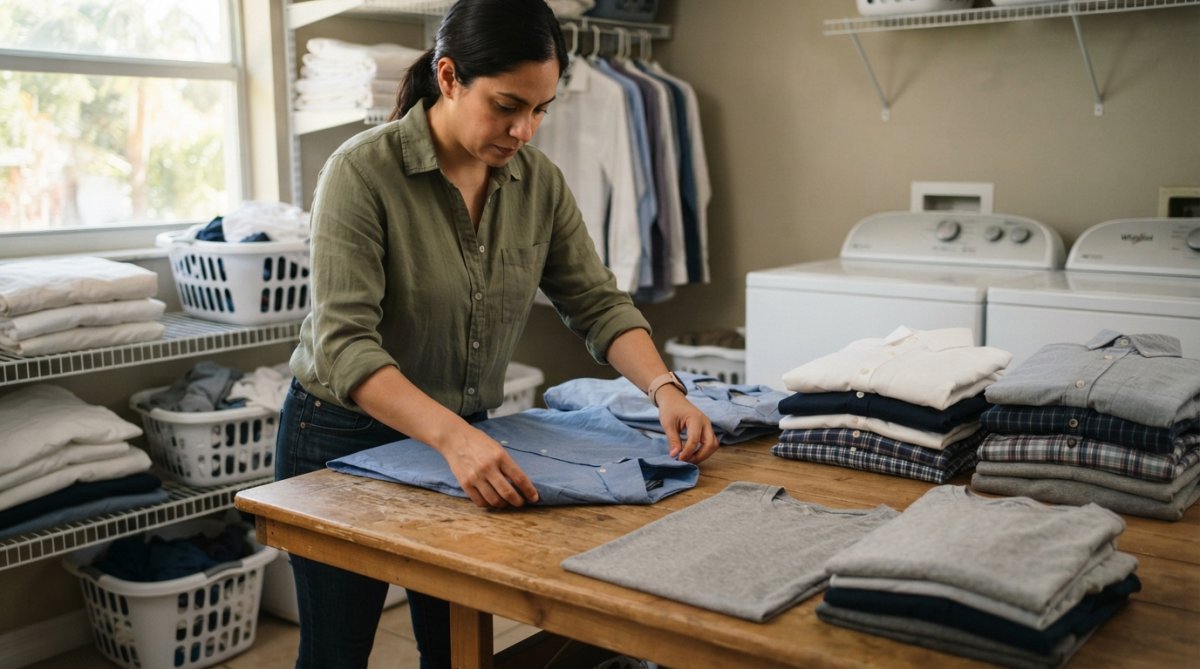
Start by washing everything to remove body oils, food particles, and dust that attract insects. Use appropriate water temperatures and detergents for each fabric type. For delicate items like silk or cashmere, hand wash or use professional dry cleaning.
Inspect every piece for damage. Small rips expand during storage, loose seams separate, and broken zippers jam permanently. Fix these issues before storing, it takes 10 minutes per item instead of an hour later when you're frustrated to wear the garment.
Remove stains completely. Protein-based stains (blood, sweat, milk) set permanently during storage, becoming impossible to remove later. Treat stains immediately with appropriate stain removers, test on hidden areas first, and ensure the stain is completely gone before storing.
Declutter as you prepare. If you haven't worn something in two years, seasonal storage isn't the right solution. Donate, sell, or discard items that no longer fit your lifestyle.
Best Containers for Seasonal Clothes Storage
The container you choose directly impacts how well clothes survive storage. Three main options exist, each with distinct advantages.
Plastic bins offer durability and protection from moisture when sealed properly. Clear plastic bins let you see contents without opening them. Rubbermaid ActionPacker Storage Bins provide heavy-duty construction with water-repellant lids and lockable latches, ideal for garage or basement storage. The downside: plastic can trap moisture if the environment is damp, potentially causing mildew.
Garment bags hang on closet rods and keep clothes wrinkle-free and dust-free. The Container Store Natural Cotton Hanging Storage Bags use breathable cotton with zipper closures, protecting hanging items like suits, dresses, and coats without compression. This works best when you have closet or rack space and need quick access. The limitation: garment bags require vertical space and don't compress items.
Vacuum-sealed bags compress bulky items dramatically, sometimes saving 80% of space. Spacesaver Vacuum Storage Bags use double-zip seals and triple-seal turbo valves, compatible with most vacuum cleaners and including a hand pump for manual compression. These work exceptionally well for sweaters, blankets, and heavy coats. However, vacuum sealing isn't suitable for delicate fabrics like silk or leather.
| Storage Method | Best For | Space Saved | Fabric Safety | Access Speed |
|---|---|---|---|---|
| Plastic Bins | General clothing, layering | Moderate | Good | Fast |
| Garment Bags | Suits, dresses, coats | Minimal | Excellent | Very Fast |
| Vacuum Bags | Bulky items, sweaters | 80% | Poor for delicates | Slow |
| Clear Containers | Visible organization | Moderate | Good | Fast |
Choose based on your storage space, clothing types, and how frequently you access items. A hybrid approach works well: use garment bags for frequently accessed formal wear, vacuum bags for bulk items like winter coats, and clear bins for accessories.
Vacuum Seal Bags for Clothes Storage
Vacuum sealing compresses clothing dramatically, making it the space-saving solution for apartments, small closets, or anyone storing large quantities. Place folded clothes inside, seal the bag, and attach your vacuum hose to the valve. The vacuum removes air, compressing the bag to a fraction of its original size.
This works brilliantly for bulky items like winter parkas, fleece jackets, and wool sweaters. A winter coat that occupies an entire shelf when hanging fits under a bed when vacuum-sealed.
However, vacuum sealing has clear limitations. Delicate fabrics like silk, lace, or fine wool can crease permanently under compression. Leather and suede shouldn't be vacuum-sealed. Items you'll need to access frequently become inconvenient once sealed.
For long-term storage beyond six months, combine vacuum bags with proper moisture control. Place silica gel packets inside sealed bags to prevent condensation from forming and weakening the seal.
Preventing Mildew on Stored Clothes
Mildew grows when moisture, warmth, and darkness combine. Storage environments naturally provide darkness and often trap moisture, making mildew prevention essential.
Store clothes in cool, dry locations where humidity stays below 60%. Basements often fail this test. Attics work better if properly ventilated. Climate-controlled closets in air-conditioned homes are ideal. If your storage location feels damp, use a dehumidifier.
Air circulation prevents mold from establishing. Don't pack containers so tightly that air can't move. Leave small gaps between items. For hanging storage, ensure space between garments.
Cedar blocks release oils that repel moths and help control moisture. Cedar Space Cedar Blocks are made from 100% natural aromatic red cedar wood. Place them in bins, hang them near hanging clothes, or tuck them into pockets. Lightly sand the blocks to refresh the aroma as the scent fades.
Silica gel packets actively absorb moisture. Place them in sealed containers to keep humidity low. Replace silica gel when it becomes saturated.
Acid-free tissue paper protects delicate fabrics from direct contact with container materials and helps absorb moisture. Foster-Stephens Acid-Free Unbuffered Tissue Paper prevents yellowing and discoloration during long-term storage.
How to Store Winter Clothes in Small Spaces
Small apartments and bedrooms require strategic storage approaches. Under-bed storage, vertical solutions, and compression techniques maximize limited space.
Under-bed storage utilizes otherwise wasted space. The IKEA SKUBB Underbed Storage Box is lightweight with a zip closure that keeps dust out while remaining affordable. These boxes fit standard bed frames and hold substantial quantities of folded clothes.
Vertical storage multiplies usable space. Wall-mounted shelving, closet organizers, and hanging racks provide storage without consuming floor space. The Container Store Commercial Folding Garment Rack provides sturdy hanging space that folds flat when not in use.
Vacuum sealing becomes more valuable in small spaces. Compressing bulky winter items frees closet space for everyday clothes.
Clear plastic storage boxes from Sterilite cost significantly less than specialty organizers while providing visibility and stackability. The key is choosing containers that match your space constraints.
Vertical hanging space deserves priority. A single closet rod can hold twice as many items with cascading hangers or slim hangers that reduce width per garment.
Organize and Label Your Seasonal Storage
Organization prevents the frustration of searching for items during seasonal transitions. A simple inventory system transforms storage from chaotic to functional.
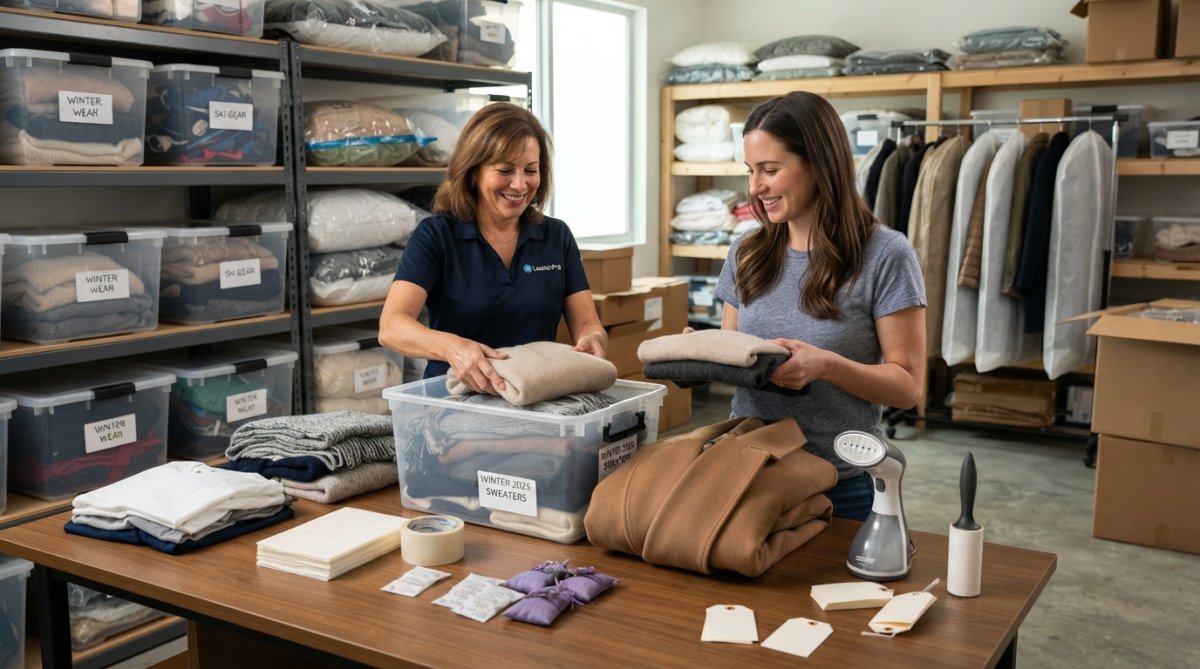
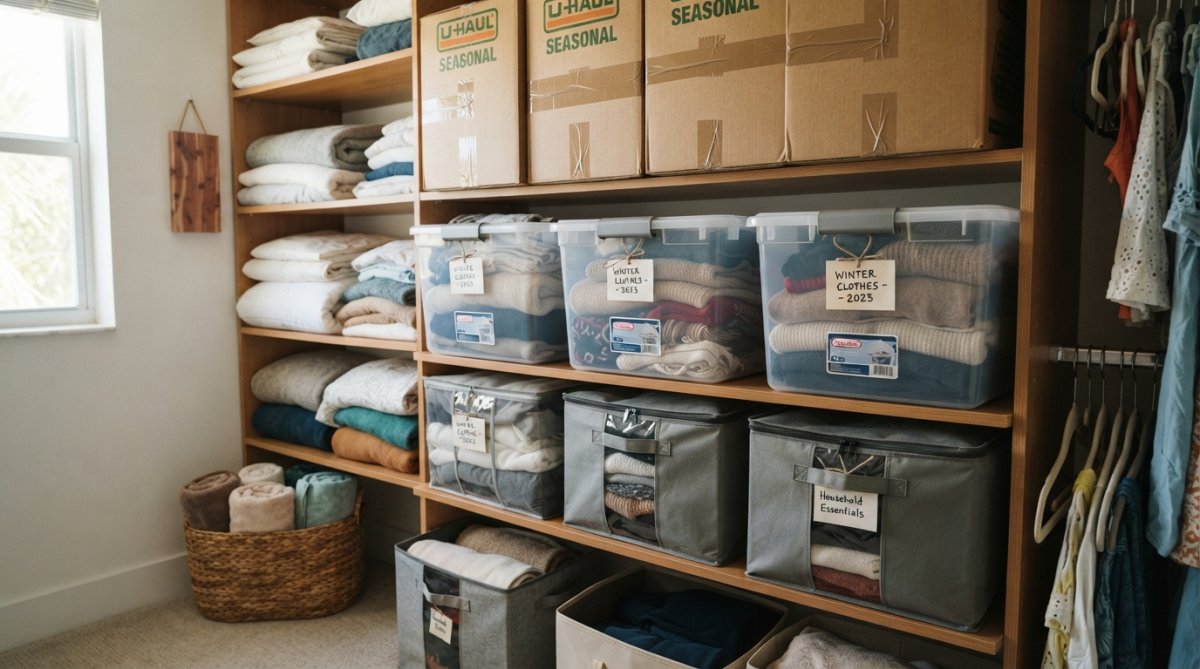
Create labels for every container. Include the season, clothing types, and quantity. "Winter Coats, Sizes M, L" tells you exactly what's inside without opening the box.
Photograph container contents before sealing them. Store photos on your phone or in a cloud folder. When you need something specific, you can reference the photo rather than searching multiple boxes.
Organize by category within containers. Group all sweaters together, all dresses together, all accessories together. For hanging storage, organize by garment type and color.
Store accessories and delicate items seasonally. Shoes benefit from breathable storage; avoid plastic bags that trap moisture. Use shoe boxes with the sides cut out for visibility. Jewelry stores well in small boxes or pouches. Scarves, belts, and bags can hang on hooks or fold in shallow bins.
For delicate items like silk blouses, wedding dresses, or vintage pieces, use acid-free tissue paper and breathable garment bags rather than plastic.
Best Ways to Store Seasonal Clothes Long-Term
Storage beyond six months requires different strategies than short-term seasonal storage. Climate-controlled storage units maintain consistent temperature and humidity year-round, preventing the fluctuations that accelerate fabric deterioration.
Eco-friendly storage options appeal to environmentally conscious households. Instead of plastic bins, consider fabric storage boxes made from recycled materials. These breathable containers allow air circulation while protecting from dust. Natural cedar storage works without chemical moth repellents.
For truly sustainable approaches, store only what you'll realistically wear. Seasonal rotation works best when your stored collection aligns with your actual lifestyle.
Sentimental items, wedding dresses, baby clothes, and inherited pieces deserve special handling. Use acid-free tissue paper, breathable garment bags, and climate-controlled storage. Document condition with photos before storage.
Rotate stored items periodically. If storing for more than six months, open containers every few months to check for moisture, pests, or mildew. Refresh cedar blocks and silica gel during these checks.
Common Mistakes to Avoid When Storing Clothes
Understanding what goes wrong helps you avoid the most damaging storage errors.
Storing dirty or damp clothes is the single biggest mistake. Moisture combined with enclosed spaces creates ideal conditions for mildew and odors. Clothes must be completely clean and dry before storage.
Overstuffing containers prevents air circulation. When clothes are crammed tightly, moisture accumulates and mildew develops.
Choosing damp storage locations guarantees problems. Basements without dehumidifiers, garages in humid climates, and uninsulated attics expose clothes to moisture and temperature swings that damage fabrics.
Using plastic bags for long-term storage traps moisture and encourages mildew. Plastic bags are fine for short-term protection during moves, but for seasonal storage lasting weeks or months, breathable containers work better.
Storing clothes with pests already present. Before storing in attics or basements, ensure the space is pest-free. Clean the storage area thoroughly and consider pest control treatment before storing valuable items.
Forgetting to protect delicate fabrics. Silk, wool, cashmere, and lace need special handling. Use breathable garment bags and acid-free tissue paper for delicates.
Storing without proper protection against moths. Cedar blocks or lavender sachets prevent moth damage. Without these protections, moths can destroy wool items in storage.
Ignoring humidity in sealed containers. Vacuum-sealed bags and plastic bins with tight seals can trap moisture. Include silica gel packets inside sealed containers to prevent condensation.
Proper seasonal clothing storage requires planning, the right containers, and consistent protection against moisture and pests. LaundrPro simplifies this by handling the cleaning and preparation step. Our professional dry cleaning and laundry service ensures clothes are spotlessly clean and properly treated before storage. With flat-rate pricing and no hidden fees, getting your seasonal wardrobe professionally prepared costs less than you'd expect. Place your order with LaundrPro and start each season with clothes that are fresh, protected, and ready to wear.
Frequently Asked Questions
What's the best way to store clothes long term without damage?
The best ways to store seasonal clothes long-term involve using breathable containers like cotton garment bags or clear plastic bins with proper ventilation, storing in cool, dry, dark places, and protecting delicate fabrics with acid-free tissue paper. Avoid vacuum sealing delicate items like cashmere or silk. Include cedar blocks or lavender sachets for natural pest prevention, and ensure garments are completely clean and dry before storage to prevent mildew and stains.
How do you prevent musty smells when storing seasonal clothes?
Prevent musty odors by keeping stored clothes in cool, dry locations with proper air circulation. Use natural deodorizers like cedar blocks or lavender sachets inside storage containers. Ensure clothes are completely dry before packing to prevent mildew. Choose breathable containers rather than airtight plastic when possible. For added protection, place silica gel packets in bins to absorb moisture. Avoid storing in basements or attics prone to humidity, climate-controlled closets or spare rooms are ideal.
Should you wash clothes before storing them seasonally?
Yes, always wash clothes before seasonal storage. Clean garments prevent stains from setting and deter pests. However, ensure clothes are completely dry before packing to avoid mildew. For delicate fabrics like wool and cashmere, use gentle cycles or hand-wash. Remove any debris, lint, or residue. Professional cleaning services like LaundrPro ensure garments are spotlessly clean and properly prepared for storage, protecting your investment in premium seasonal pieces.
What storage solutions work best for storing accessories and shoes seasonally?
Store seasonal accessories like shoes, bags, and jewelry in clear plastic bins or breathable cotton pouches for easy visibility and organization. Use shoe boxes or individual compartments to prevent creasing. For delicate jewelry, wrap items in acid-free tissue paper. Label bins by category and season for quick identification during wardrobe rotation. Under-bed storage boxes work well for shoes and smaller accessories. Keep accessories in cool, dry locations away from direct sunlight to prevent fading and deterioration.
This article was written using GrandRanker