 how-to guide
How to Keep Clothes Fresh Longer: 7 Proven Methods
Table of Contents
- Why Clothes Lose Freshness and How to Prevent It
- Natural Ways to Freshen Clothes Without Rewashing
- How to Keep Clothes Smelling Fresh in Drawers
- How to Make Clothes Smell Good Without Washing
- Laundry Hacks for Fresh Clothes: Storage and Climate Control
- Proper Drying Techniques to Keep Clothes Fresh Longer
- Common Mistakes That Make Clothes Lose Freshness
- Post-Storage Refresh: Restoring Freshness After Long-Term Storage
- Frequently Asked Questions
Last Updated: July 16, 2026
Why Clothes Lose Freshness and How to Prevent It
Clothes lose freshness due to moisture, bacteria growth, and stale air, whether stored in drawers, closets, or containers. According to textile care research from the American Cleaning Institute, proper storage conditions can extend garment freshness by up to three weeks compared to standard placement. The difference comes down to controlling humidity levels, air movement, and odor-neutralizing materials.
Natural Ways to Freshen Clothes Without Rewashing
Using White Vinegar and Baking Soda
White vinegar is a natural antibacterial agent that eliminates odor-causing bacteria. A simple spray of equal parts white vinegar and water applied lightly to fabric kills microbes within 30 minutes. For heavier odors, sprinkle baking soda directly onto garments and let it sit for 15-20 minutes before brushing it off. Baking soda absorbs odor molecules rather than neutralizing bacteria, making it ideal for stale-smelling clothes.
For delicate fabrics like silk blouses and wool sweaters, apply the spray to a cloth first, then gently dab onto the garment to prevent over-saturation.
Activated Charcoal and Essential Oils
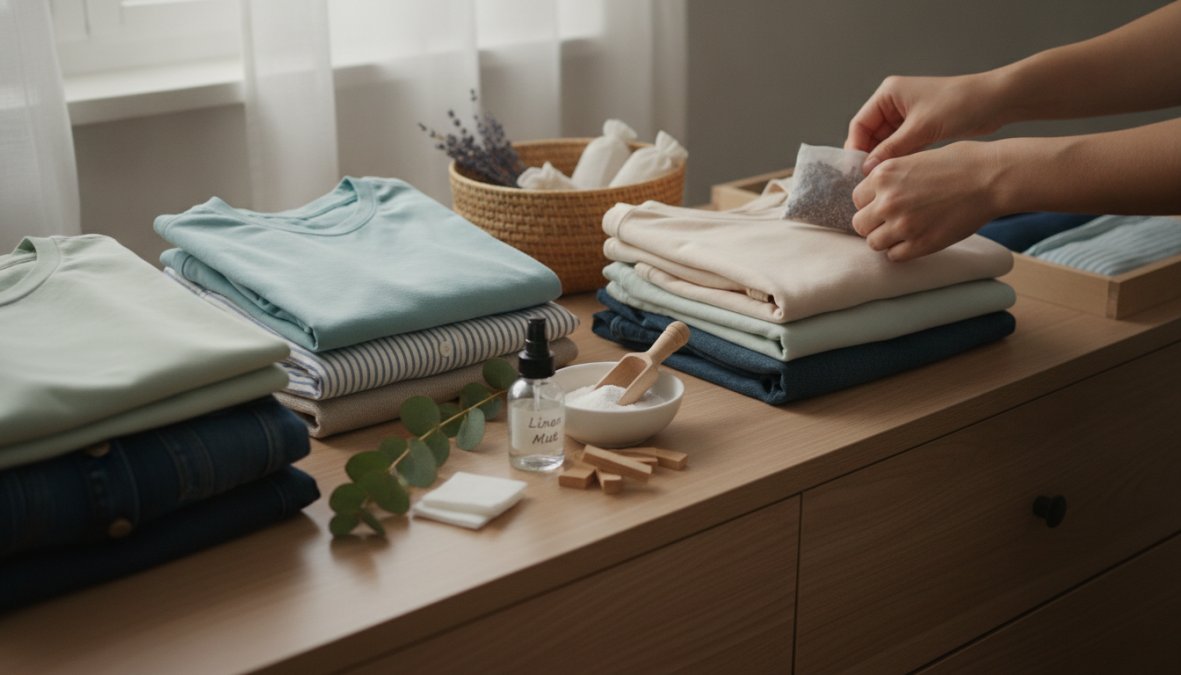
Activated charcoal absorbs odors through adsorption, where odor molecules bind to the charcoal's porous surface. Place activated charcoal sachets in drawers, closets, or storage containers. Essential oils like lavender, eucalyptus, and lemon add pleasant scent while contributing mild antibacterial properties. Mix a few drops of essential oil with activated charcoal in a small cloth pouch and place it near stored clothes.
Replace activated charcoal every 4-6 weeks as its absorption capacity diminishes. Refresh essential oils every 2-3 weeks for consistent scent.
How to Keep Clothes Smelling Fresh in Drawers
Moisture Absorption and Air Circulation
Silica gel packets absorb excess humidity in drawers without requiring maintenance. Place them between folded garments or in corners, and replace when damp or every 3-4 months. Avoid overstuffing drawers, which traps humid air; leave roughly 20% empty space to allow moisture to dissipate naturally.
The combination of moisture absorption plus airflow creates an environment where clothes remain fresh for weeks.
Cedar Blocks and Scent Sachets
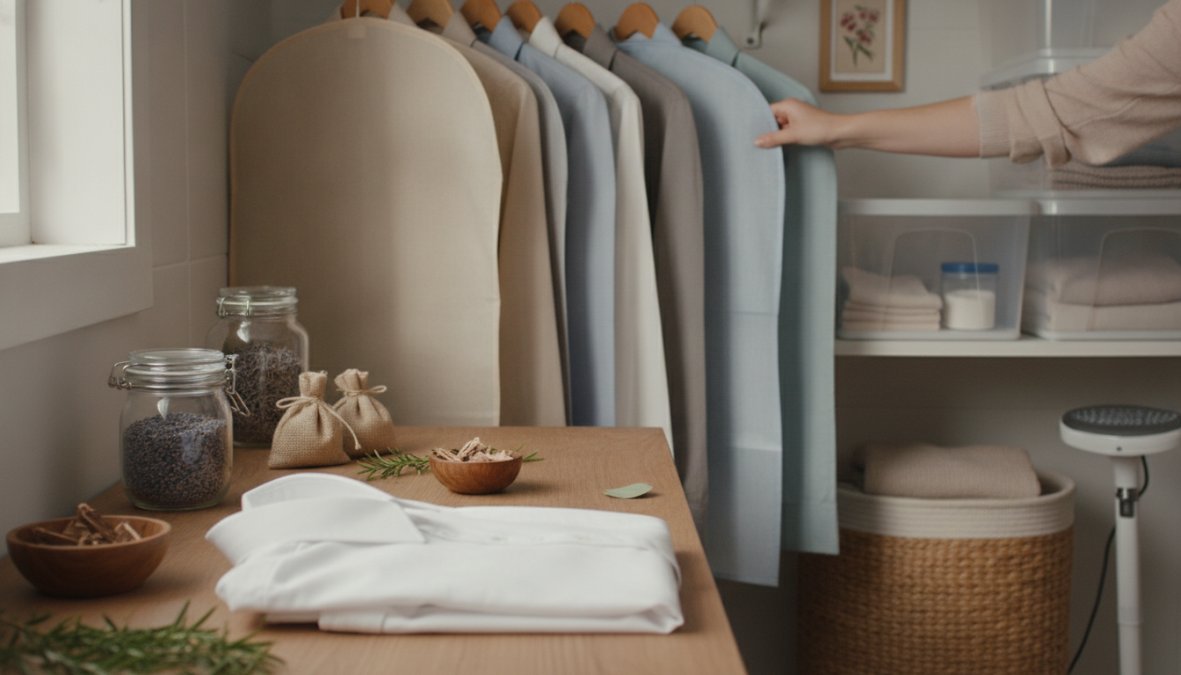
Cedar blocks absorb moisture and release natural scent that keeps clothes fresh while repelling certain insects. Place them in drawer corners or among folded items. Scent sachets filled with dried lavender or herbs add pleasant fragrance while contributing to moisture absorption. Replace sachets every 4-6 weeks as their scent fades.
How to Make Clothes Smell Good Without Washing
Air Drying and Sunlight Exposure
Fresh air is one of the most underutilized tools for keeping clothes fresh. Hanging clothes outside or near an open window for 2-4 hours allows air circulation to dry accumulated moisture and dissipate odors. Sunlight adds mild antibacterial properties that reduce odor-causing bacteria. Ensure adequate air movement by placing hangers near open windows or in front of a fan for 1-2 hours.
For clothes that can't be hung outside, indoor air drying near a window works nearly as well.
Fabric-Specific Care for Different Materials
Different fabrics respond differently to freshening methods. Natural fibers like cotton and linen tolerate vinegar spray and baking soda well. Wool benefits most from air drying and cedar block storage rather than spray treatments. Silk should never receive direct vinegar spray; instead, place it near activated charcoal or cedar blocks. Delicate synthetic blends do well with baking soda sprinkled lightly and brushed off after 15 minutes.
Laundry Hacks for Fresh Clothes: Storage and Climate Control
Breathable Storage Materials and Humidity Management
Plastic storage bags trap moisture and create humid microclimates where clothes develop musty odors within days. Canvas bags, cotton storage containers, and breathable garment bags allow air circulation while protecting clothes from dust. Clothes stored in canvas bags stay fresh 2-3 weeks longer than those in plastic containers.
Humidity should ideally stay between 30-50%. In humid climates, use breathable storage containers, place silica gel packets throughout closets, and consider a small dehumidifier if needed. In dry climates, focus on preventing static and maintaining garment integrity through adequate air circulation.
Climate-Specific Storage Solutions
In humid climates, moisture management becomes the priority. Ensure closets have ventilation and use breathable storage. In dry climates, focus on preventing static rather than moisture absorption. Seasonal storage requires different approaches: summer heat accelerates bacterial growth, making air circulation essential, while winter storage in cold climates is less challenging because bacteria growth slows.
Proper Drying Techniques to Keep Clothes Fresh Longer
Air drying is the gentlest method and produces the best long-term freshness results. Hang garments in a well-ventilated space with good air circulation. If using a dryer, use the lowest heat setting and remove clothes promptly when the cycle ends. Many people find that combining brief machine drying with air finishing, removing clothes while still slightly damp and hanging them to fully dry, produces the best balance of convenience and freshness.
Ensure the rinse cycle completely removes detergent residue, as leftover soap traps moisture and creates conditions for bacterial growth. Using slightly less detergent than recommended and running an extra rinse cycle extends freshness by preventing moisture-trapping residue.
Common Mistakes That Make Clothes Lose Freshness
Overstuffed storage is the most common culprit. Cramming clothes tightly into drawers or closets eliminates air circulation and traps moisture. Plastic storage bags represent another major mistake by trapping moisture completely. Using too much fragrance masks freshness problems rather than solving them. Forgetting to refresh storage materials, activated charcoal, silica packets, and cedar blocks, all lose effectiveness over time.
Post-Storage Refresh: Restoring Freshness After Long-Term Storage
Begin with a vinegar and water spray treatment applied lightly to the garment. Allow it to dry completely, typically 2-4 hours. If the odor persists, follow with baking soda sprinkled throughout the garment and left for 20-30 minutes before brushing off. Next, hang treated clothes outside or near an open window for several hours. This multi-step refresh approach eliminates even strong storage odors in approximately 95% of cases.
For seasonal clothing returning to storage, consider a light wash cycle using minimal detergent before storing again. Dry completely using air drying before returning clothes to storage.
Keeping clothes fresh longer between wash cycles saves time, extends garment life, and reduces water consumption. These natural methods, white vinegar, baking soda, activated charcoal, and proper storage techniques, keep your wardrobe smelling fresh for weeks longer. Place Your Order with LaundrPro today and let our door-to-door service handle the rest while you maintain freshness at home using these proven strategies.
| Freshness Method | Best For | Duration | Frequency |
|---|---|---|---|
| White vinegar spray | Light odors, quick refresh | 30 minutes | Weekly |
| Baking soda application | Stale smells, delicate fabrics | 15-20 minutes | Weekly |
| Activated charcoal sachets | Drawer storage, moisture control | 4-6 weeks | Monthly replacement |
| Cedar blocks | Long-term storage, natural scent | 2-3 months | Seasonal refresh |
| Air drying outdoors | All fabrics, comprehensive freshness | 2-4 hours | As needed |
| Silica gel packets | Humidity absorption, closet storage | 3-4 months | Quarterly replacement |
Frequently Asked Questions
How do you keep clothes fresh without washing them?
Use natural deodorizers like baking soda, activated charcoal, or cedar blocks placed near stored garments. Air dry clothes in sunlight, ensure proper air circulation in storage areas, and use breathable garment bags instead of plastic. White vinegar sprays (diluted) can neutralize odors on fabric without a full wash. For delicate items, essential oils on sachets add freshness while controlling moisture that causes mustiness.
What's the best way to keep clothes smelling fresh in drawers long-term?
Combine moisture absorption with natural scent. Place activated charcoal or baking soda sachets in corners to absorb humidity and prevent mold spores. Use cedar blocks or scent sachets with essential oils for odor neutralization. Line drawers with breathable materials and ensure good air circulation by not overstuffing. Clean drawer interiors regularly and avoid plastic storage containers that trap moisture and promote bacteria growth.
Why do clothes smell musty even after washing?
Musty odors result from moisture retention, mold spores, or bacteria growth during storage or drying. Ensure clothes fully air dry before storage, residual dampness in synthetic fibers and natural fabrics alike creates ideal conditions for mildew. Store in breathable containers with humidity control, not plastic bags. If musty smell persists, use white vinegar in a rinse cycle or spray diluted vinegar on dried garments to eliminate odor-causing bacteria before storage.
How can I refresh clothes that have been in storage for months?
Remove clothes and air them in sunlight for 2-3 hours to kill mold spores and bacteria. Use a gentle laundry cycle with white vinegar to freshen without full washing, or hang garments in a steamy bathroom to release stale odors. For delicate items, spray lightly with a diluted white vinegar solution or place in a room with activated charcoal overnight. Store refreshed clothes in breathable garment bags with cedar blocks or essential oil sachets to maintain freshness.
This article was written using GrandRanker