 how-to guide
Save Time on Laundry: 15 Hacks to Cut Hours Every Week
Table of Contents
- How to Save Time on Laundry: Start With Smart Sorting
- Pre-Treat Stains Immediately to Avoid Rewashing
- Optimize Washing Machine Settings for Speed and Efficiency
- Dry Clothes Efficiently With Proven Laundry Hacks
- Fold and Put Away Clothes Immediately
- Build an Efficient Laundry Routine That Sticks
- Organize Your Laundry Room for Maximum Productivity
- Fabric-Specific Strategies to Save Time Without Damage
- External Research & Sources
- Frequently Asked Questions
Last Updated: July 25, 2026
How to Save Time on Laundry: Start With Smart Sorting
Smart sorting before washing eliminates the biggest time-waster: rewashing clothes due to color bleeding, fabric damage, or mixed loads needing different settings. At LaundrPro, we've found that systematic sorting can cut total laundry time by 15-20% weekly. Most people treat sorting as an afterthought, creating constant interruptions, a red sock in whites, delicates tangled with jeans, loads that need re-running. The real efficiency gain comes from sorting in advance so you execute a plan, not improvise.
Sort by Color and Fabric Weight in Advance
Combine two variables: color and fabric weight. Create three primary color categories (whites/lights, darks, colors), then separate each by weight: heavy items like jeans and towels, medium-weight items like t-shirts, and delicates. This creates six loads maximum, though most households run three to four weekly.
Heavy items need higher spin speeds and dry 30-40% faster than mixed loads because the machine can spin harder without risking damage. Delicates require gentle cycles and lower temperatures. Separating upfront eliminates compromise settings that waste water and energy.
Set a designated sorting area and direct clothes there as they accumulate. By laundry day, your work is organized. The time investment is minimal, about five minutes per session.
Use Dedicated Laundry Bins and Hampers
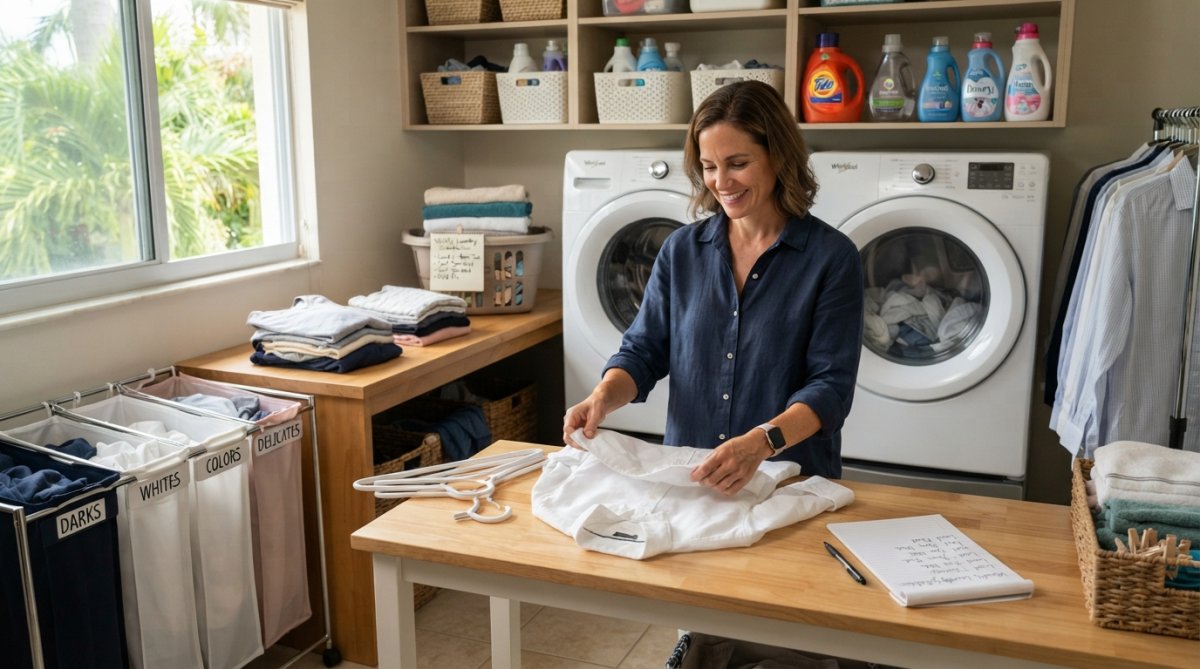
Compartmentalized hampers eliminate the sorting step entirely. As clothes are worn, they go directly into the correct section. When full, you have a ready-made load. The best hampers have removable mesh bags that fit standard washing machine drums, so clothes go directly from hamper to washer, no extra handling steps.
For families, one compartmentalized hamper in a central location works better than individual hampers. Establish a simple rule: whites in section one, colors in section two, darks in section three.
Pre-Treat Stains Immediately to Avoid Rewashing
A stain discovered after washing requires rewashing the entire garment. A stain treated immediately before washing succeeds 90% of the time. Treat stains while fresh: blot (don't rub), apply stain remover, and let sit 15-30 minutes before washing.
Keep a stain remover station near your laundry area with three items: oxygen-based remover, enzyme-based remover for protein stains, and a stain stick. For stubborn stains, pre-soak with oxygen-based remover for 30 minutes to two hours, then wash normally.
Avoid excessive stain remover. More product doesn't improve results; it often leaves residue requiring extra rinsing. Follow product instructions.
Optimize Washing Machine Settings for Speed and Efficiency
Most people use the same three or four cycles regardless of load type, wasting significant time. Quick wash cycles (15-30 minutes) work for lightly soiled items and use less water than standard cycles. Modern quick cycles achieve the same cleaning in less time through concentrated detergent and optimized water pressure.
Master Quick Wash Cycles and Delay Functions
The delay function (delay start) is a time-saving feature most people ignore. Set your wash cycle in the evening, program it to start at 2 AM or 6 AM, and laundry is done by morning. This is particularly valuable on busy days. For families, set your machine to run at the same time every morning, making laundry a background task.
Choose the Right Detergent and Products
Liquid detergents dissolve faster than powders, allowing shorter cycles. Laundry pods eliminate measuring, reducing setup time by 20 seconds per load. Most people use twice the recommended amount; excess detergent requires extra rinsing, extending cycle time. Follow dosing instructions based on load size and water hardness.
For heavily soiled loads, enzyme-based detergents break down protein and organic matter more effectively, achieving in one cycle what normally requires two. Fabric softener extends drying time without significant benefit; use dryer sheets instead.
Dry Clothes Efficiently With Proven Laundry Hacks
Drying wastes the most time and energy. Standard cycles run 45-60 minutes, but clothes often reach dryness in 30-35 minutes. Efficiency gains come from reducing moisture before the dryer starts and optimizing dryer settings.
Use Tennis Balls and Dry Towels for Faster Drying
Tennis balls in the dryer reduce drying time by 10-15%. They bounce around, separating clumped clothes and increasing air circulation. Add two to three clean tennis balls to your load.
For faster results, add one to two dry towels for the first 10 minutes. These absorb moisture from other clothes, reducing total moisture the dryer must evaporate. Remove towels after 10 minutes and continue the cycle. This two-step approach reduces drying time by 20-25%.
Air Dry Strategically to Reduce Wrinkles
Remove clothes from the washer while damp, hang immediately, and let air dry 2-3 hours. At this point, they're 70-80% dry. Transfer to the dryer for a 15-20 minute fluff cycle with no heat. This cuts dryer time by 60% while protecting fabric integrity.
For items that won't wrinkle (towels, sheets, workout clothes), full air drying saves the most time. These typically dry within 3-4 hours in moderate humidity.
Fold and Put Away Clothes Immediately
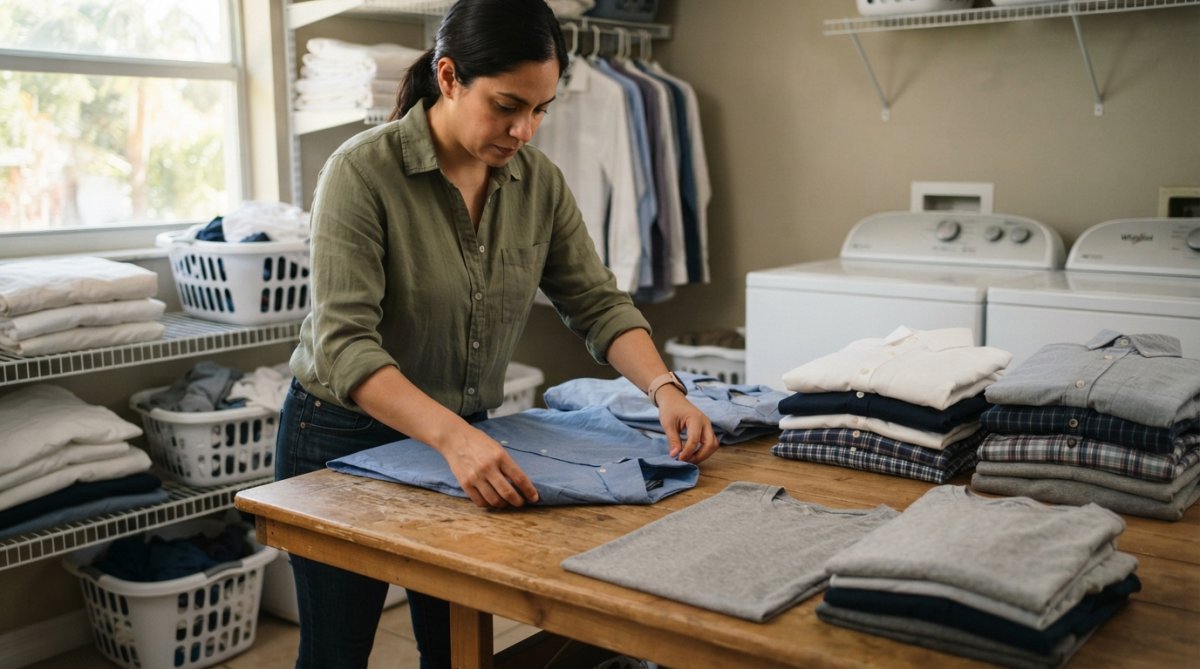
Clothes are easiest to fold and least likely to wrinkle when they come out of the dryer. Transfer to a folding surface immediately. This takes 10-15 minutes for a typical load and eliminates the "folding pile" that accumulates on chairs.
Fold directly into drawers for items that don't wrinkle (underwear, socks, athletic wear). Hang items that wrinkle easily (dress shirts, blouses) immediately. This sorting-as-you-fold approach means clothes go directly from dryer to storage.
Build an Efficient Laundry Routine That Sticks
A consistent routine removes decision-making from the process. Most households benefit from twice-weekly laundry, preventing the overwhelming single laundry day. Run one load Monday evening and one Thursday evening. Each takes 2-3 hours total, spread across the day.
Create a Laundry Schedule That Works for Your Family
Assign a specific day and time to each household member's laundry or designate two days weekly for all laundry. Consistency is key: the same day, same time, every week.
For a family of four:
- Monday evening: bedding and towels
- Thursday evening: clothes
For larger families, a three-day schedule works better:
- Monday: towels and delicates
- Wednesday: colors and mediums
- Friday: whites and heavies
Post the schedule on the refrigerator or laundry room door. Everyone should know when laundry happens.
Organize Your Laundry Room for Maximum Productivity
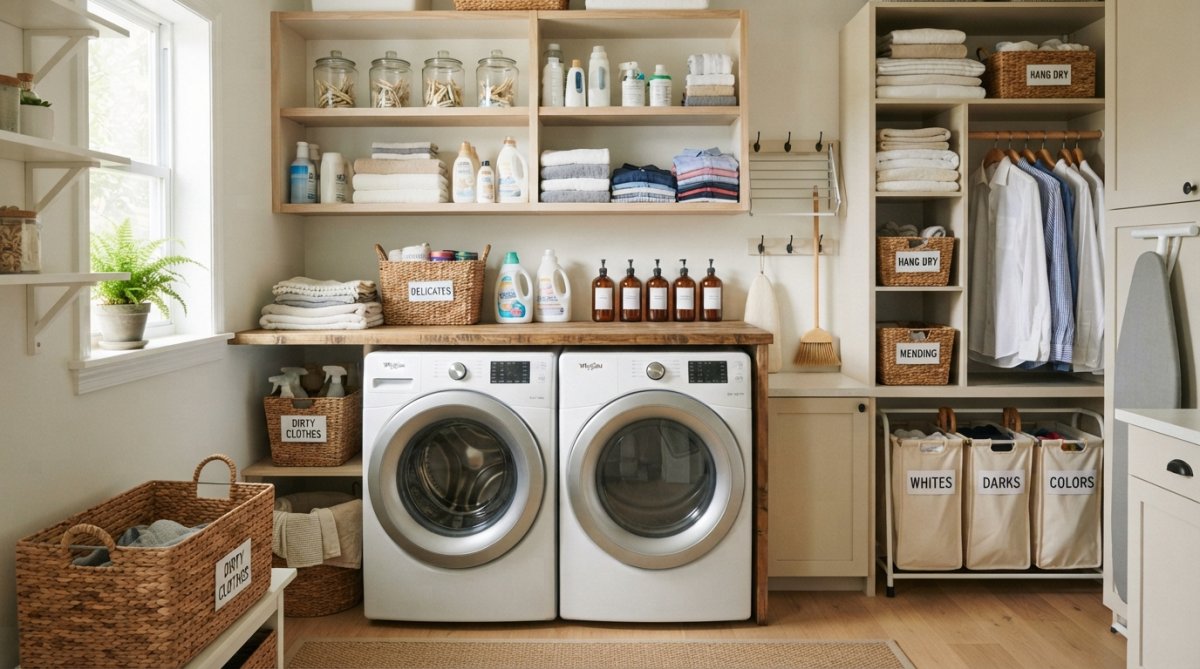
A disorganized laundry space adds time to every session. Efficient laundry rooms have distinct zones: sorting, washing, drying, and folding.
Sorting Zone: Compartmentalized hampers or three separate baskets near the entrance or bedroom/bathroom.
Washing Zone: Washer with detergent, fabric softener, stain remover, and dryer sheets in a cabinet directly above or beside it.
Drying Zone: Dryer with a shelf or basket for items waiting to fold. Keep dryer sheets and tennis balls in a nearby drawer.
Folding Zone: A table or counter separate from the dryer. Position near storage areas so you can put clothes away immediately.
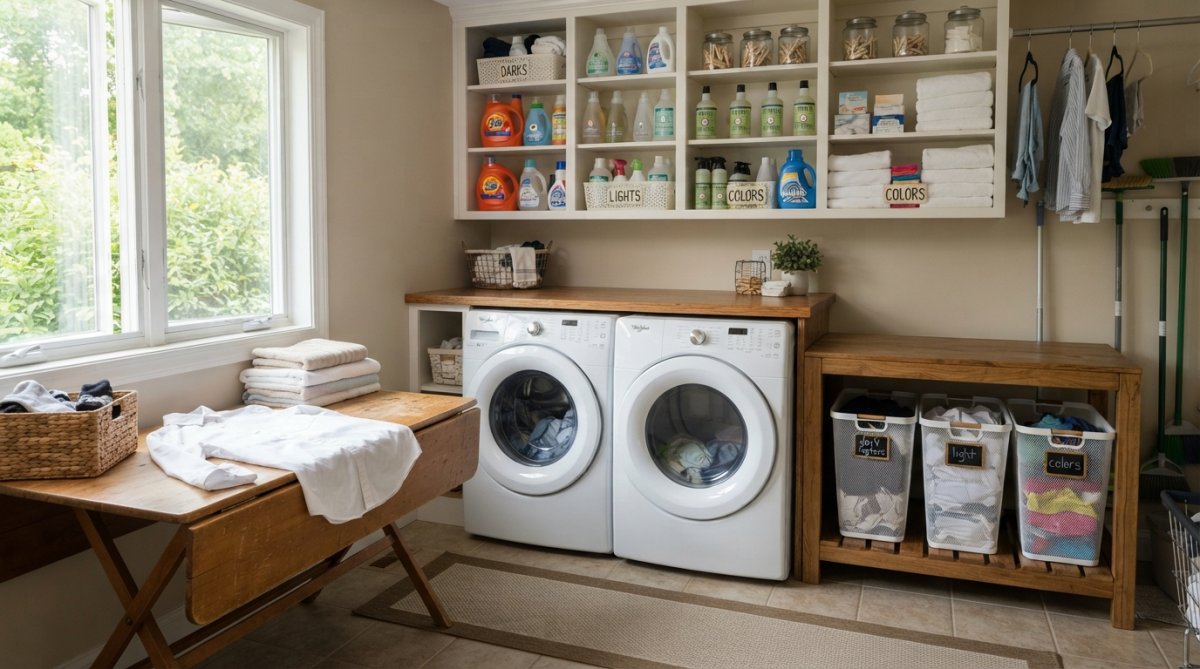
Vertical storage maximizes space. Wall-mounted shelves above the washer and dryer work well. A rolling cart can serve as both storage and a mobile folding station. Good lighting matters, add overhead fixtures or task lighting above the folding table. Label everything to eliminate confusion and search time.
Fabric-Specific Strategies to Save Time Without Damage
Different fabrics require different care. Using the wrong approach wastes time through damage and rewashing.
Delicates (silk, lace, thin knits): Gentle cycles, cold water, mesh laundry bag, air dry. Total time: 20 minutes wash + 2-3 hours air dry.
Heavy fabrics (jeans, towels, bedding): Hot water, high spin speeds, heavy-duty cycle. Dry on high heat. Total time: 45 minutes wash + 35-40 minutes dry.
Athletic wear (polyester, moisture-wicking): Cold water with enzyme detergent. Air dry to preserve elastic. Avoid hot water, which degrades fabric.
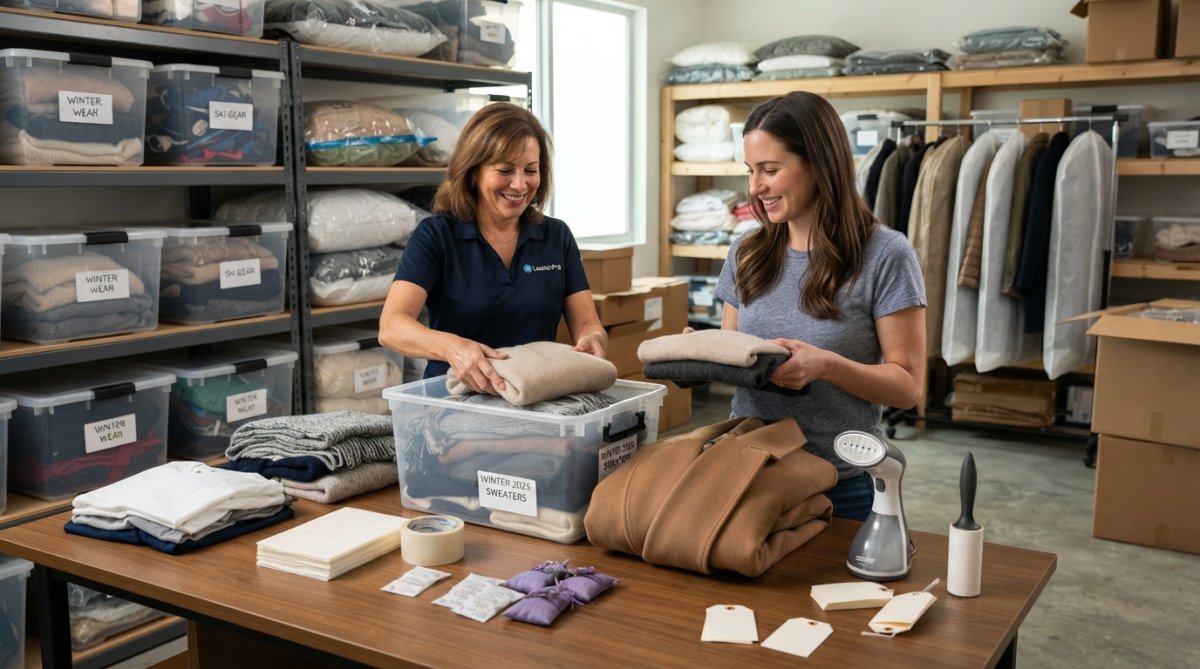
Wool and cashmere: Hand wash or delicate cycle with wool-specific detergent. Air dry flat. Takes longer but extends life by years.
Fabric-specific care prevents damage requiring replacement or rewashing. A $150 sweater ruined by incorrect washing costs far more than 10 extra minutes of proper care.
Laundry doesn't have to consume hours of your week. Sorting in advance, optimizing machine settings, and creating a consistent routine typically reduce laundry time by 20-30%. But if laundry still feels overwhelming, there's another option. LaundrPro offers door-to-door laundry service with transparent, flat-rate pricing and no hidden fees. We handle sorting, washing, drying, and folding, returning your clothes spotless and ready to wear. For busy individuals and families in Miami who want to reclaim their time, LaundrPro delivers premium care with fast turnaround. Place your order and get back the hours laundry normally steals from your week.
| Strategy | Time Saved | Frequency | Best For |
|---|---|---|---|
| Pre-sorting by color and weight | 15-20 minutes per week | Every laundry day | All households |
| Using tennis balls in dryer | 10-15 minutes per load | Every dryer load | Standard and heavy fabrics |
| Quick wash cycles | 20-25 minutes per load | Lightly soiled items | Busy schedules |
| Air drying with partial dryer finish | 20-30 minutes per load | Delicates and wrinkle-prone items | Quality-focused households |
| Compartmentalized hampers | 10 minutes per week | Ongoing | Families with multiple people |
| Delay start function | 30-60 minutes per week | 2-3 times weekly | People with flexible morning schedules |
| Immediate folding after drying | 5-10 minutes per week | Every dryer load | Preventing wrinkles and backlog |
External Research & Sources
According to the U.S. Department of Energy's laundry efficiency guidelines, optimizing washing machine settings and using high-efficiency dryers can reduce energy consumption by 25-30% annually while cutting laundry time significantly.
Research from the American Cleaning Institute on fabric care best practices emphasizes that proper sorting and temperature selection prevent damage requiring rewashing, saving both time and resources.
The Consumer Reports guide to washing machine efficiency found that quick wash cycles on modern machines clean as effectively as standard cycles for lightly soiled items, enabling faster turnaround times without sacrificing results.
Frequently Asked Questions
What's the fastest way to do laundry without sacrificing cleanliness?
The fastest approach combines three strategies: sort laundry into dedicated bins in advance, use quick wash cycles (typically 30-45 minutes) for lightly soiled items, and pre-treat stains immediately to avoid rewashing. Dry clothes efficiently using tennis balls in the dryer or air drying delicates. Fold straight from the dryer to minimize wrinkles and storage time. This workflow can cut your laundry time by 40-50% compared to traditional methods.
How often should I do laundry to save time and prevent pileup?
Establish a consistent laundry schedule, most families benefit from doing laundry 2-3 times per week on set days. This prevents overwhelming piles that consume hours. For smaller households, once weekly may suffice. The key is consistency: your brain and routine adapt to predictable laundry days. Use a laundry planner or calendar to track your schedule and build the habit into your weekly routine.
What are the best laundry hacks for busy families with lots of clothes?
Invest in compartmentalized hampers to sort by color and fabric type as clothes accumulate. Use mesh laundry bags for delicates to streamline washing. Assign family members specific laundry days or tasks, kids can fold, sort, or help put away clothes. Batch similar items (all whites together, all darks together) to reduce sorting time. Consider bulky items like comforters on separate laundry days to avoid overcrowding the machine.
Can I really save money and time by outsourcing laundry, or should I DIY?
A cost-benefit analysis depends on your hourly value and available time. If laundry takes 5+ hours weekly and you earn $25+/hour, professional services may be cost-effective. DIY saves money but costs time; professional laundry services (like door-to-door pickup and delivery) save time but cost money. For busy professionals, families with young children, or those in small living spaces without in-unit laundry, outsourcing can reclaim 10+ hours monthly, valuable for productivity and stress reduction.
This article was written using GrandRanker