 how-to guide
Best Way to Fold Shirts: 7 Methods for Speed & Organization
Table of Contents
- Why the Best Way to Fold Shirts Matters
- The Classic Method: How to Fold T-Shirts Step by Step
- The KonMari Method: Marie Kondo's File Folding Approach
- How to Fold Dress Shirts Without Wrinkles
- Quick Folding Methods: The 2-Second and 3-Second Techniques
- How to Fold Shirts for Travel: Space-Saving Strategies
- Folding Different Fabric Types: From Delicate Silks to Bulky Knits
- Common Folding Mistakes and How to Avoid Them
- Frequently Asked Questions
Last Updated: July 26, 2026
Finding the best way to fold shirts matters more than most people realize. At LaundrPro, we understand that how you fold your garments affects everything from closet organization to wrinkle prevention to how long your clothes last. Whether you're dealing with everyday t-shirts, delicate dress shirts, or bulky sweaters, the method you choose can save you time, space, and frustration.
Why the Best Way to Fold Shirts Matters
Proper folding extends your garments' lifespan by reducing unnecessary stress on seams and fabric fibers. A shirt folded carelessly develops permanent creases that become harder to remove with each wash. Uniform folds maximize drawer space, making it easier to see what you own and grab items without disturbing the rest of your stack. For frequent travelers, efficient folding reduces wrinkles during transport and allows you to pack more in less luggage. The method you choose directly impacts your daily routine.
The Classic Method: How to Fold T-Shirts Step by Step
The classic t-shirt fold is the foundation for most other techniques. Start with your shirt laid flat on a clean, hard surface with the front facing up. Smooth out any wrinkles using your hands. Fold one side of the shirt inward, bringing the shoulder seam to align with the center of the shirt's body. Repeat on the opposite side, creating a rough rectangle with both sleeves tucked in. Now fold the shirt horizontally in half, bringing the hem up to meet the neckline. Fold in half one more time if needed for compact storage.
This creates a neat rectangle approximately 9 by 12 inches that fits most drawers. The beauty of this method is consistency: every shirt folds to the same dimensions, allowing you to stack them evenly. Most people find this approach takes 15-20 seconds once you develop muscle memory.
The KonMari Method: Marie Kondo's File Folding Approach
The KonMari Method, popularized by organizing consultant Marie Kondo, folds shirts vertically so they stand upright in drawers like files in a filing cabinet. This approach makes every shirt visible at a glance without moving anything. When you pull out a middle shirt, the ones above don't collapse.
To execute the KonMari fold, lay your shirt flat and fold both sides inward to create a vertical rectangle. Then fold the rectangle into thirds vertically, creating a compact strip. Finally, fold this strip in half, creating a small square or rectangle that stands upright. Research from The Organized Home organizing study found that people using vertical file folding spend 40% less time searching for specific items compared to traditional stacking methods.
How to Fold Dress Shirts Without Wrinkles
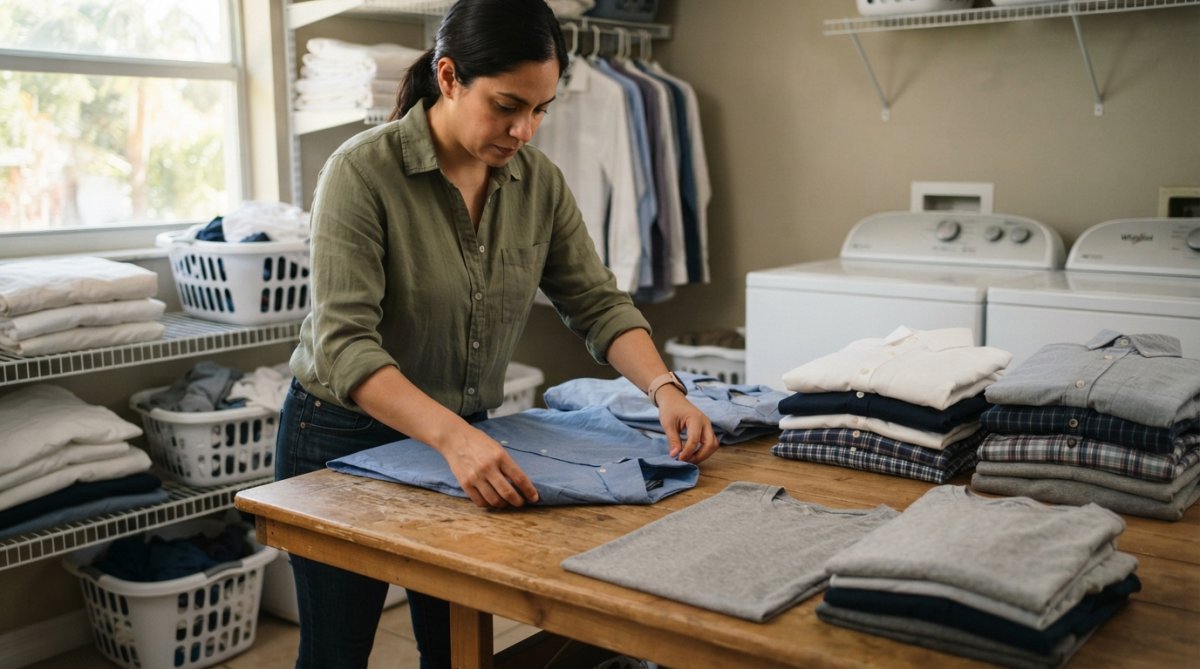
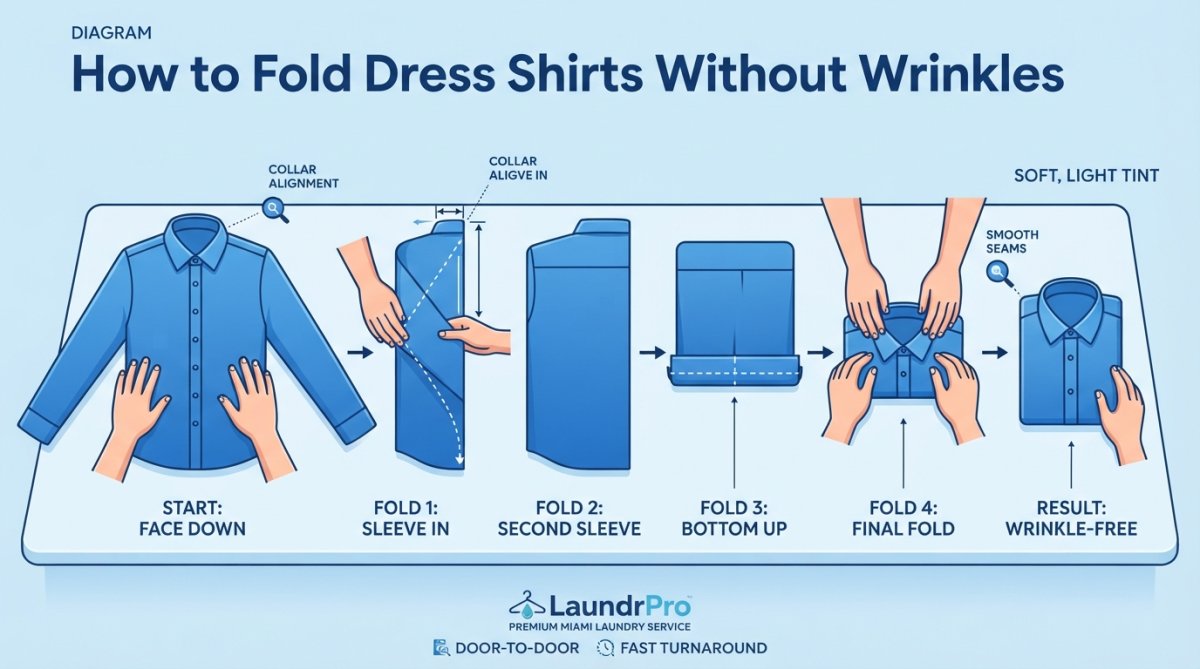
Dress shirts demand extra care because wrinkles in formal wear are immediately visible and difficult to remove without professional pressing. Begin by laying your dress shirt face-down on a clean, flat surface. Button the shirt completely to maintain the shape and prevent the front panels from shifting. Fold one side inward along the seam line, bringing the sleeve to fold neatly along the body. Repeat on the other side.
Now fold the shirt horizontally, bringing the hem up to meet the collar area. The critical difference with dress shirts is avoiding sharp creases in the collar area. Never fold the collar down onto the body; instead, let it rest naturally on top of the folded shirt. For dress shirts you plan to wear within a few days, consider hanging them instead of folding. If storage space requires folding, use acid-free tissue paper to stuff the sleeves and collar area to prevent creases from setting.
Quick Folding Methods: The 2-Second and 3-Second Techniques
When managing large laundry loads, speed matters. Quick folding methods sacrifice some elegance for efficiency but still produce acceptable results for casual wear.
The Military Roll for Compact Storage
The military roll is a technique used by armed forces personnel to maximize luggage space while minimizing wrinkles. Lay your shirt flat and fold both sleeves inward. Starting from one side, roll the entire shirt tightly toward the opposite side, creating a compact cylinder. This method is exceptional for travel because the rolled shirt takes up 40% less space than a traditionally folded shirt. The technique takes about 10-15 seconds once you practice it.
The Pinch Method for Speed
The pinch method is the fastest way to fold a shirt. Hold the shirt by the shoulders, one hand on each shoulder seam. Pinch the fabric where the sleeve meets the body on one side, then cross that arm over your body to pinch the opposite side. Lay the shirt down and fold the bottom up. This creates a reasonably neat rectangle in approximately 3-5 seconds. It works best for t-shirts and casual wear that you'll wear soon.
How to Fold Shirts for Travel: Space-Saving Strategies
Travel folding is a specialized skill because luggage space is limited and wrinkles during transport are nearly inevitable. Rolling consistently saves more space than traditional folding, a rolled shirt occupies approximately 60% of the space that the same shirt would take if folded. Additionally, rolled shirts develop fewer creases during transport because rolling distributes pressure evenly across the entire garment.
However, rolling works better for casual shirts than for dress shirts. If you're traveling with formal wear, traditional folding combined with careful packing techniques produces better results. Place dress shirts in the center of your suitcase, surrounded by softer items like socks and underwear that cushion them from pressure.
Folding boards like the BoxLegend V3 Shirt Folding Board create uniform folds that pack more efficiently than hand-folded shirts. For frequent travelers, packing shirts inside packing cubes, fabric organizers that compress your clothing while keeping items separated, combines the space-saving benefits of rolling with the organization benefits of traditional folding.
Folding Different Fabric Types: From Delicate Silks to Bulky Knits
Not all fabrics respond the same way to folding. Silk, satin, and other delicate fabrics are prone to snagging and developing permanent creases. When folding delicate long-sleeve shirts, use the same basic technique as standard shirts but handle the sleeves with extra care. Never crease the sleeves sharply; instead, fold them gently and use tissue paper between layers to prevent creases from setting. Rolling is often better than folding for extremely delicate fabrics.
Sweaters, heavy cotton shirts, and knit fabrics are prone to stretching when folded. The weight of the fabric combined with the pressure of folding can distort the neckline and shoulders over time. For bulky knits, use a wider, shallower fold that distributes weight more evenly. Avoid stacking heavy items more than 4-5 deep, as the weight of items above will compress those below and cause permanent stretching. Research from The Textile Care Institute indicates that improper folding of knit garments is the leading cause of stretched necklines and shoulder deformation.
Common Folding Mistakes and How to Avoid Them
The most common mistake is folding clothes while they're still damp. Moisture sets creases permanently. Always allow clothes to dry completely before folding. Stretched collars develop when you fold shirts with the collar pinched or compressed. Always fold in a way that allows the collar to rest naturally without pressure.
Another common mistake is folding clothes on soft surfaces like beds or couches. The uneven surface creates uneven pressure, leading to asymmetrical folds and wrinkles. Always use a hard, flat surface like a table or countertop.
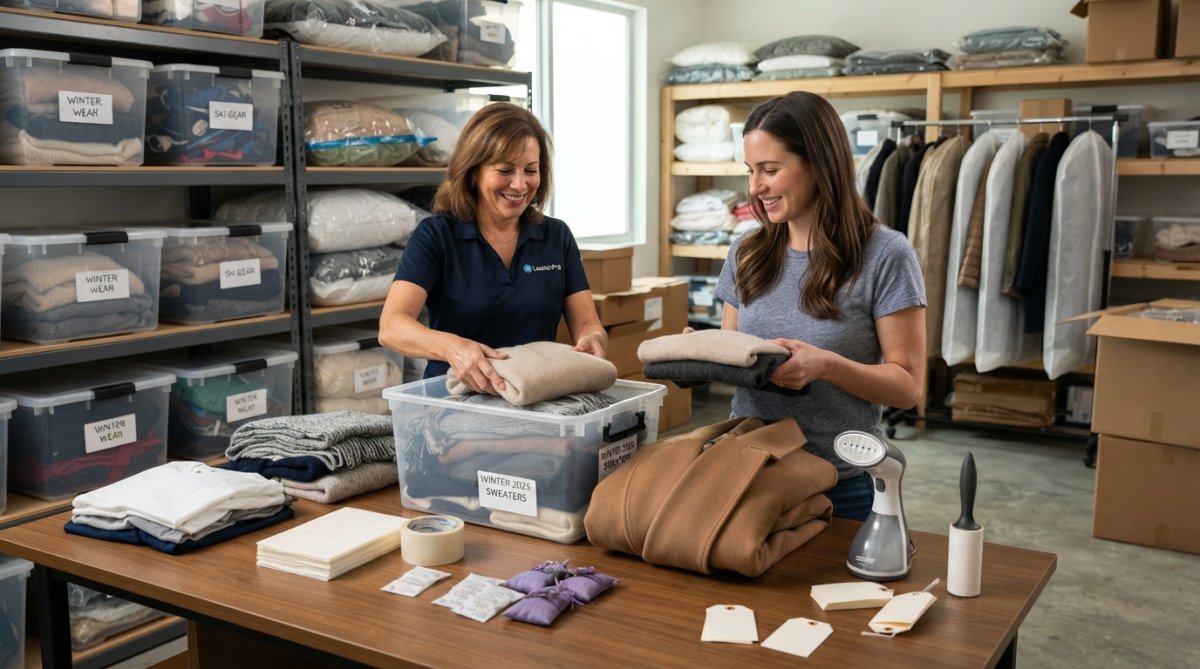
For long-term storage of seasonal items, use acid-free boxes or storage containers with breathable linings. Avoid plastic bags, which trap moisture and can damage fabric. Include cedar blocks or lavender sachets to deter moths and keep your clothes smelling fresh.
| Folding Method | Best For | Time Required | Space Saved |
|---|---|---|---|
| Classic fold | Everyday t-shirts and casual wear | 15-20 seconds | Standard |
| KonMari vertical fold | Small drawers, quick access | 20-25 seconds | 30% more items |
| Military roll | Travel and luggage packing | 10-15 seconds | 40% more space |
| Pinch method | Quick laundry days | 3-5 seconds | Standard |
| Dress shirt fold | Formal wear and dress shirts | 25-30 seconds | Standard with protection |
Keeping your shirts organized and wrinkle-free requires more than just tossing them in a drawer. The method you choose affects how your clothes look, how long they last, and how much time you spend managing your wardrobe. Whether you're folding a single load or managing a household's worth of laundry, these techniques give you options for different situations. For busy families in Miami who want spotless, well-cared-for garments without the effort, LaundrPro's door-to-door laundry service handles the folding and organization for you, with premium product care, fast turnaround, and transparent flat-rate pricing. Place your order and reclaim the hours you spend on laundry each week.
Frequently Asked Questions
What is the best way to fold shirts to save space?
The KonMari method and military roll are top space-saving techniques. The KonMari approach uses vertical file folding to maximize drawer visibility and access, while the military roll creates a compact cylinder ideal for travel. Both reduce wrinkles and create uniform, stackable shapes. For maximum efficiency, use a folding board to ensure consistent dimensions, products like the FlipFold create uniform 9×12 inch folds that stack neatly and save up to 40% more drawer space than traditional folding.
How do you fold a t-shirt without wrinkles?
Start by laying your t-shirt flat on a clean surface with sleeves spread horizontally. Fold one side vertically toward the center, then fold the sleeve back over the fold to create a rectangle. Repeat on the other side. Finally, fold the shirt horizontally into thirds from the bottom. Smooth out any creases as you go. The key is working on a flat surface and using gentle, deliberate motions, rushing causes wrinkles. Store folded t-shirts vertically using the KonMari method for minimal creasing.
Should I fold dress shirts or hang them?
Hanging is ideal for dress shirts you wear frequently, as it prevents creases from storage. However, if you must fold dress shirts, use the proper technique: lay flat, fold sleeves inward, fold vertically in thirds, then horizontally in half. Smooth the collar and seams carefully. Store in a cool, dry place away from humidity. For valuable dress shirts (like $300 blazers mentioned by customers), consider professional dry cleaning services like LaundrPro that handle premium garments with care and expertise, ensuring they maintain their shape and quality longer than home folding.
What is the KonMari method for folding shirts?
Marie Kondo's KonMari method uses vertical file folding to store shirts standing upright in drawers, like files in a cabinet. Fold your shirt into a compact rectangle, then fold it once more vertically. Store it standing up so you can see every shirt at a glance without disturbing others below. This method maximizes drawer space, reduces wrinkles from stacking, and makes organization easier. It works best with consistent fold sizes, using a folding board ensures uniform dimensions that stack perfectly and align with KonMari organization principles.
This article was written using GrandRanker