 how-to
How to Clean Wine Stains from Hardwood Floors
Table of Contents
- Act Fast: How to Remove Fresh Wine Stains from Hardwood Floors
- Does Dawn Remove Red Wine Stains from Hardwood?
- How to Get Dried Red Wine Out of Hardwood Floors
- Identify Your Floor Finish Before Treating Wine Stains
- How to Clean Hardwood Floors Without Damaging the Finish
- Hardwood Floor Stain Removal: When to Call a Professional
- Prevent Wine Stains and Moisture Damage on Hardwood
- Frequently Asked Questions
Last Updated: October 6, 2026
Act Fast: How to Remove Fresh Wine Stains from Hardwood Floors
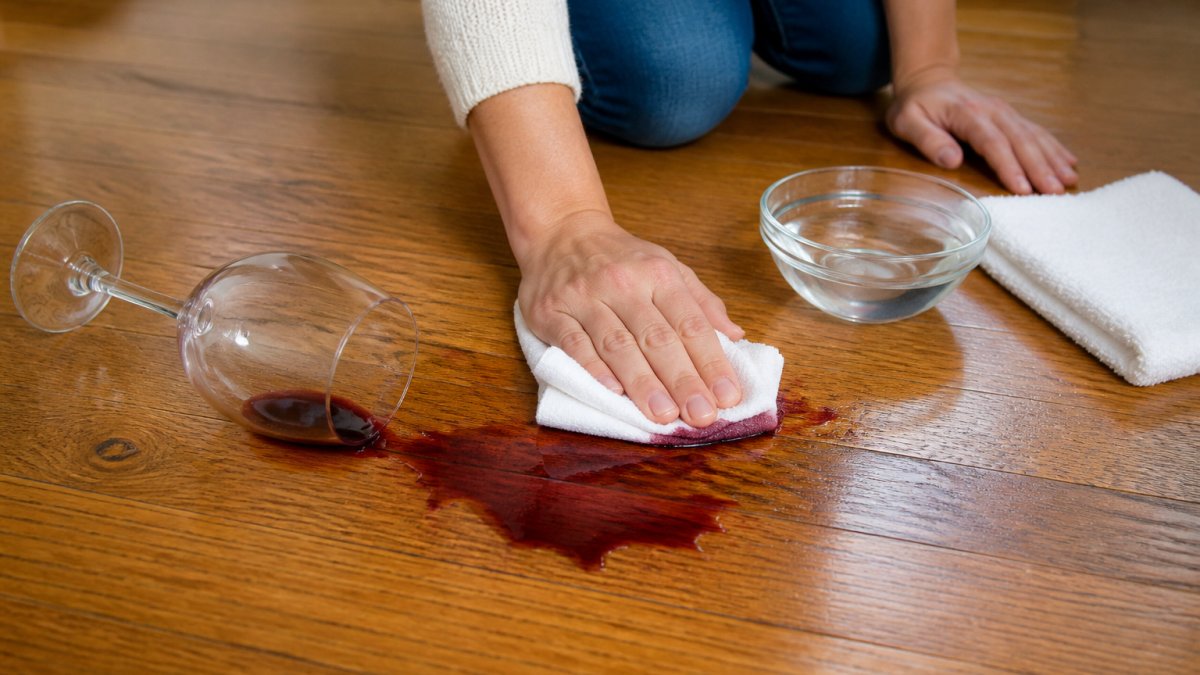
Learning how to clean wine stains from hardwood floors starts with understanding that a fresh red wine spill demands immediate action.
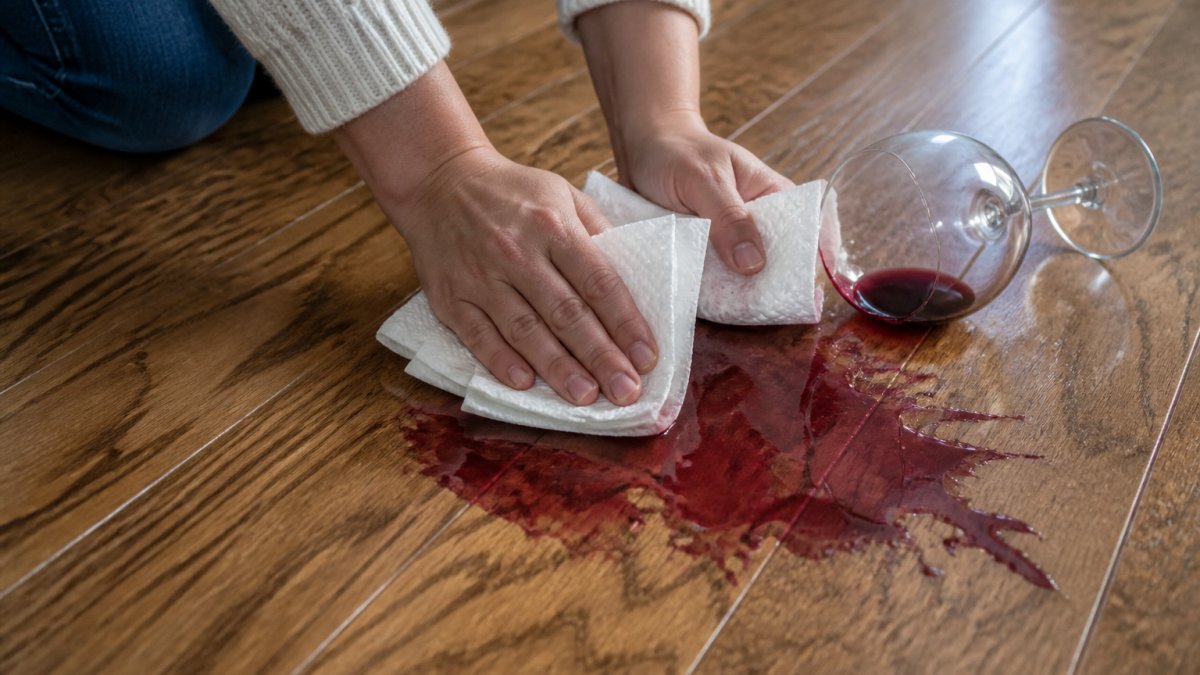
When wine hits hardwood, the liquid soaks into the wood grain and can penetrate the finish. The longer it sits, the deeper it travels.
Absorb the spill immediately with paper towels or soft cloth
Start by blotting the spill with paper towels or a soft cloth. Do not wipe or rub yet. Blotting lifts liquid up and out of the wood without pushing it deeper into the grain.
Press the cloth or towel firmly onto the wine. Hold it for a few seconds. The fabric will absorb the liquid.
Use white or light-colored cloth only. Colored fabrics can transfer dye to your hardwood floor. Paper towels work well for the initial blot. Soft microfiber cloths are even better because they absorb more liquid.
Use table salt to draw out remaining liquid
After blotting, sprinkle table salt directly onto the damp area. Salt draws moisture out of wood through a process called osmosis. It works best on wine that is still wet.
Cover the stained area generously with salt. Let it sit for 5 to 10 minutes. The salt will begin to absorb the remaining wine.
Sweep or vacuum the salt away. Wipe the area with a damp cloth to remove any salt residue. Dry the floor completely with a soft cloth.
Does Dawn Remove Red Wine Stains from Hardwood?
Yes, dish soap like Dawn can remove fresh red wine stains from hardwood floors when used correctly. The soap breaks down the wine's pigments and helps lift them from the wood surface. However, the method matters, too much water or aggressive scrubbing can damage the wood finish.
How to apply dish soap and cold water safely
Mix a small amount of dish soap with cold water. Use one teaspoon of soap per cup of water. Stir gently to create a soapy solution.
Dip a soft cloth into the solution. Wring it out thoroughly so the cloth is damp but not dripping.
Gently dab the stained area with the damp cloth. Work from the edges of the stain toward the center to avoid spreading it.
Blot the area with a clean, dry cloth. Repeat the process if the stain remains.
Why cold water matters for wood floors
Cold water is critical when cleaning wine stains from hardwood. Hot water opens the wood's pores and allows liquid to penetrate deeper. Cold water keeps pores closed, minimizing absorption.
Heat also sets some stains permanently. Wine contains tannins that bond more firmly to wood when exposed to warmth. Cold water prevents this chemical reaction.
Always use cold water for any hardwood floor cleaning. Warm water may feel more effective, but it can cause more damage than benefit.
How to Get Dried Red Wine Out of Hardwood Floors
Understanding how to clean wine stains from hardwood floors means recognizing that old wine stains require different tactics than fresh spills. Once wine dries, it oxidizes and the pigments bond to the wood. These stains are harder to remove but not impossible.
Baking soda paste for stubborn discoloration
Baking soda is a mild abrasive that lifts stains without scratching most hardwood finishes.
Apply the paste directly to the stain. Use a soft cloth or soft-bristled brush to gently work it into the wood grain. Do not scrub hard.
Let the paste sit for 10 to 15 minutes. The baking soda will begin to lift the discoloration. Wipe away the paste with a damp cloth.
For stubborn stains, repeat this process two or three times. Each application may lift a bit more color. Patience works better than aggressive scrubbing.
White vinegar and water for oxidized stains
White vinegar is acidic and can break down oxidized wine stains. Mix equal parts white vinegar and cold water in a bowl.
Dip a soft cloth into the vinegar solution. Wring it out well so it is damp but not wet. Dab the stained area gently.
Blot with a clean cloth. If the stain lightens, repeat. After the stain fades, rinse the area with a cloth dampened in plain cold water. Dry immediately.
Vinegar smell will fade as the floor dries. Open windows to speed up the process.
Hydrogen peroxide for deep stain penetration
Hydrogen peroxide is stronger than vinegar or baking soda. It can penetrate deeper into wood and lighten stubborn stains. Use 3% hydrogen peroxide, the standard drugstore variety.
Test hydrogen peroxide on a hidden area of your floor first. Some wood finishes react poorly to peroxide.
Apply a small amount of hydrogen peroxide directly to the stain. Let it sit for 5 to 10 minutes.
Blot with a clean cloth. Rinse with cold water and dry thoroughly. Repeat if needed.
Identify Your Floor Finish Before Treating Wine Stains
Different hardwood finishes respond differently to cleaning methods. Identifying your floor finish helps you choose the safest treatment and avoid damage.
Test any treatment on an inconspicuous area first
Before applying any cleaning solution to a visible stain, test it on a hidden spot. Try the inside of a closet, under a rug, or behind a door.
Apply the treatment and wait 10 minutes. Observe the wood. Look for discoloration, dullness, or any change in appearance. If the finish looks damaged, do not use that method on your main stain.
This simple step prevents costly mistakes. A ruined finish on a visible stain is worse than leaving the stain alone.
Understanding polyurethane, wax, and oil finishes
Polyurethane finishes are the most common on modern hardwood floors. They create a hard, plastic-like surface that resists water and stains.
Wax finishes are softer and more porous. Water can damage wax finishes by causing white spots or clouding. Baking soda paste works better than liquid solutions.
Oil finishes penetrate the wood and do not create a surface layer. They are the most vulnerable to water damage. Minimize moisture exposure.
Run your fingernail lightly across an inconspicuous spot. If it leaves a mark, you likely have a wax or oil finish.
How to Clean Hardwood Floors Without Damaging the Finish
Protecting your floor's finish matters as much as removing the stain. The wrong approach can damage the protective layer and lead to more problems later.
Moisture control and drying technique
Excess moisture is the primary enemy of hardwood floors. Water swells wood, causes warping, and can damage finishes. Every cleaning step should minimize water exposure.
Use damp cloths, not wet ones. Wring out cloths thoroughly before applying them to the floor. Never let puddles sit on hardwood. Dry the area immediately after cleaning.
Open windows and use fans to speed drying. Air circulation removes moisture faster. In humid climates, this step is especially important.
If you spill water during cleaning, dry it within minutes. This habit prevents most water-related floor damage.
Avoiding bleach and ammonia on wood surfaces
Bleach and ammonia are harsh chemicals that damage hardwood finishes. Bleach can bleach the wood itself, leaving permanent light spots. Ammonia strips away protective coatings and leaves the wood vulnerable.
Never mix cleaning products. Combining chemicals can create toxic fumes and cause unpredictable reactions on your floor.
Stick to gentle solutions: cold water, dish soap, vinegar, baking soda, or hydrogen peroxide. These are strong enough to remove wine stains without harming the wood or finish.
Hardwood Floor Stain Removal: When to Call a Professional
Some wine stains go too deep for home remedies. Knowing when to stop and call a professional saves time and money.
Signs the stain has damaged the wood grain or finish
If the stain remains after multiple treatment attempts, it may have penetrated below the finish into the wood itself. Deep stains are difficult or impossible to remove without professional refinishing.
Look for these signs:
- The stain is darker in the center and lighter at the edges (indicates deep penetration)
- The wood surface feels rough or splintered around the stain
- The finish appears cracked, peeling, or discolored in the stained area
- The stain covers a large area (more than 6 inches across)
These signs suggest the damage goes beyond surface cleaning. Professional refinishing may be the only solution.
Professional refinishing vs. DIY limits
Professional floor refinishers have industrial equipment and expertise that home methods cannot match. They can sand away the stained layer and apply new finish.
DIY cleaning works well for fresh spills and surface stains. It does not work for stains that have set into the wood grain. Attempting aggressive scrubbing or chemical treatments on deep stains often makes them worse.
The cost of professional refinishing is significant. For small stains, home remedies are worth trying first. For large or deeply set stains, professional help is the practical choice.
Prevent Wine Stains and Moisture Damage on Hardwood
Prevention is always easier than removal.
Use coasters under wine glasses. Place a coaster on any surface where a glass might sit.
Wipe spills immediately. Do not wait for wine to dry.
Use rugs and runners in high-traffic areas. Rugs protect hardwood from spills, scratches, and wear.
Maintain proper humidity levels. Hardwood floors expand and contract with humidity changes.
Finish your hardwood with a quality sealant.
Wine stains on hardwood floors are frustrating, but most respond well to quick action and the right method.
For busy professionals and families in Miami dealing with frequent spills and stains, maintaining spotless hardwood floors requires reliable support. Our door-to-door laundry and dry cleaning service in Miami removes tough stains from your garments with the same care and precision you'd apply to your floors. Let us handle the stains while you focus on what matters. EPA guidance on household cleaning products recommends using mild, non-toxic solutions for regular home maintenance, an approach we apply to every garment we clean.
Frequently Asked Questions
How can I remove red wine stains from my hardwood floors?
The method depends on whether the stain is fresh or dried. For fresh spills, blot immediately with paper towels, apply table salt to absorb remaining liquid, then rinse with cold water and dry thoroughly. For older stains, try a baking soda paste, white vinegar solution, or hydrogen peroxide, always test on an inconspicuous area first. The key is acting quickly and identifying your floor finish before applying any treatment to avoid damage.
Does Dawn remove red wine stains from hardwood floors?
Yes, dish soap like Dawn can help remove wine stains when mixed with cold water. Apply a small amount of dish soap to cold water, use a soft cloth to gently work the solution into the stain, then rinse with clean cold water and dry immediately. Avoid using hot water or excessive moisture, as both can damage the wood finish and cause the stain to set deeper. Test the solution on a hidden area first to ensure it won't harm your specific floor finish.
How do I know if a wine stain has damaged my hardwood floor finish?
If the stain appears to have penetrated below the surface, feels rough to the touch, or doesn't respond to gentle cleaning methods within 24 hours, the finish may be compromised. You may also notice the wood grain looks darker or the area feels slightly raised. In these cases, the stain has likely reached the wood itself rather than just sitting on the finish, and professional refinishing may be necessary to restore the floor's appearance and protection.
Can baking soda remove wine stains from hardwood floors?
Baking soda can be effective for set-in stains. Mix baking soda with a small amount of cold water to form a paste, apply it directly to the stain, and let it sit for about an hour. Gently scrub with a soft cloth, then wipe clean with cold water and dry immediately. Baking soda works by absorbing discoloration and oxidized residue. Always test the paste on an inconspicuous area first, as it may slightly lighten or dull the finish depending on your floor's coating.