 how-to
How to Wash a King Size Comforter at Home
Table of Contents
- Can You Wash a King-Size Comforter in a Washer
- What You'll Need Before Washing
- How to Wash a Down Comforter at Home
- How to Wash a Comforter with an Agitator
- How to Dry a King-Size Comforter
- Common Mistakes to Avoid
- When to Use Professional Cleaning Services
- Frequently Asked Questions
Last Updated: October 19, 2026
Can You Wash a King-Size Comforter in a Washer
Yes, learning how to wash a king size comforter at home is possible if your washer has enough capacity. Most home machines aren't designed for items this large, though. The key is understanding your specific washer's limits before you start.
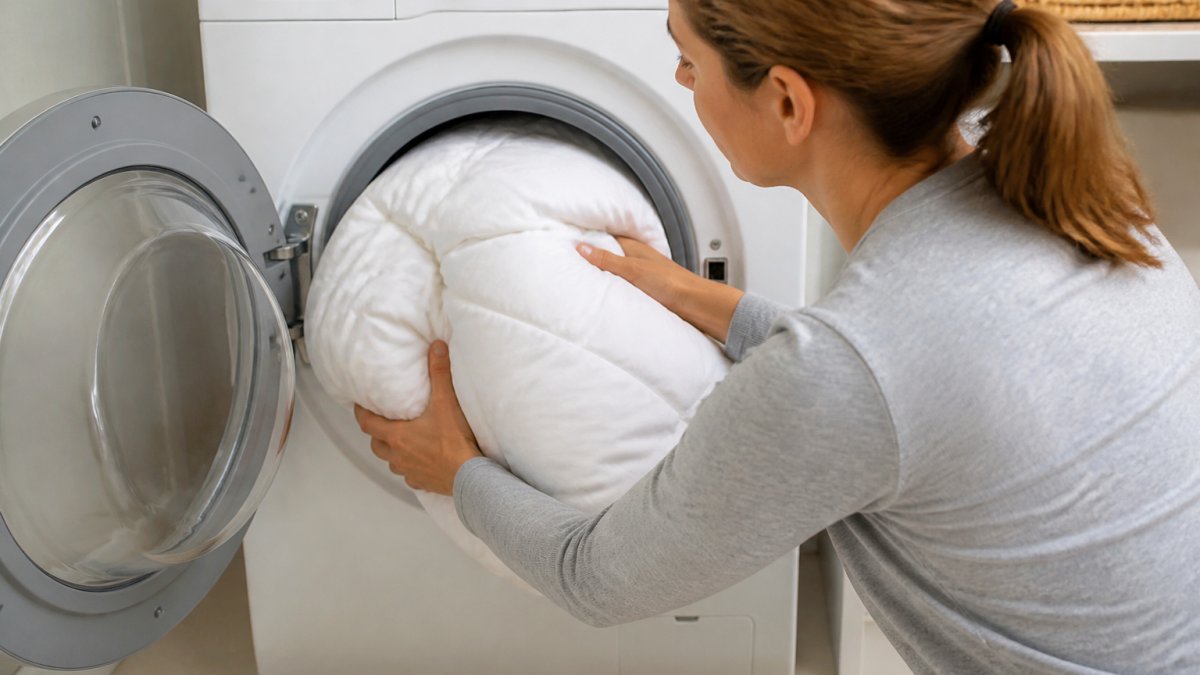
A king-size comforter typically weighs 8-15 pounds when dry. When wet, it becomes significantly heavier. Your washer needs enough space for the comforter to move freely during the wash cycle. Cramming it in causes uneven cleaning and potential damage to both the comforter and your machine.
Checking Your Washer Capacity
Your washer's capacity is measured in cubic feet. Look for this number in your manual or on the manufacturer's website. A standard top-loader holds 3.5-4.5 cubic feet. Most front-loaders range from 4-5 cubic feet.
A king-size comforter needs at least 4.5 cubic feet of space to wash properly. Here's how to check if yours will work:
- Find your washer's capacity in the manual or online
- Compare it to the comforter's size (roughly 110 x 98 inches when laid flat)
- Fill the drum halfway with water and test-fit the dry comforter
- The comforter should move freely with room to spare
If your home machine falls short, a commercial laundromat near you likely has larger capacity washers. Many Miami residents use laundromats specifically for oversized items like king-size comforters and bedding.
Front-Loader vs. Top-Loader Considerations
Front-loaders and top-loaders handle large items differently. This matters when washing a king-size comforter at home.
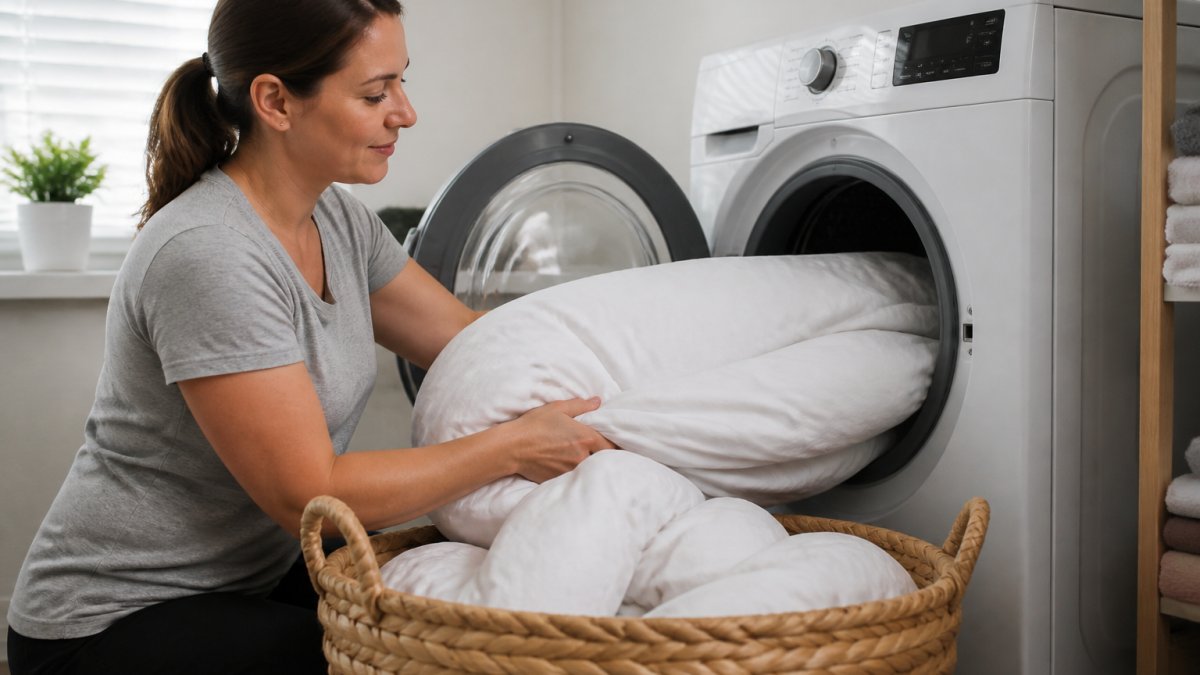
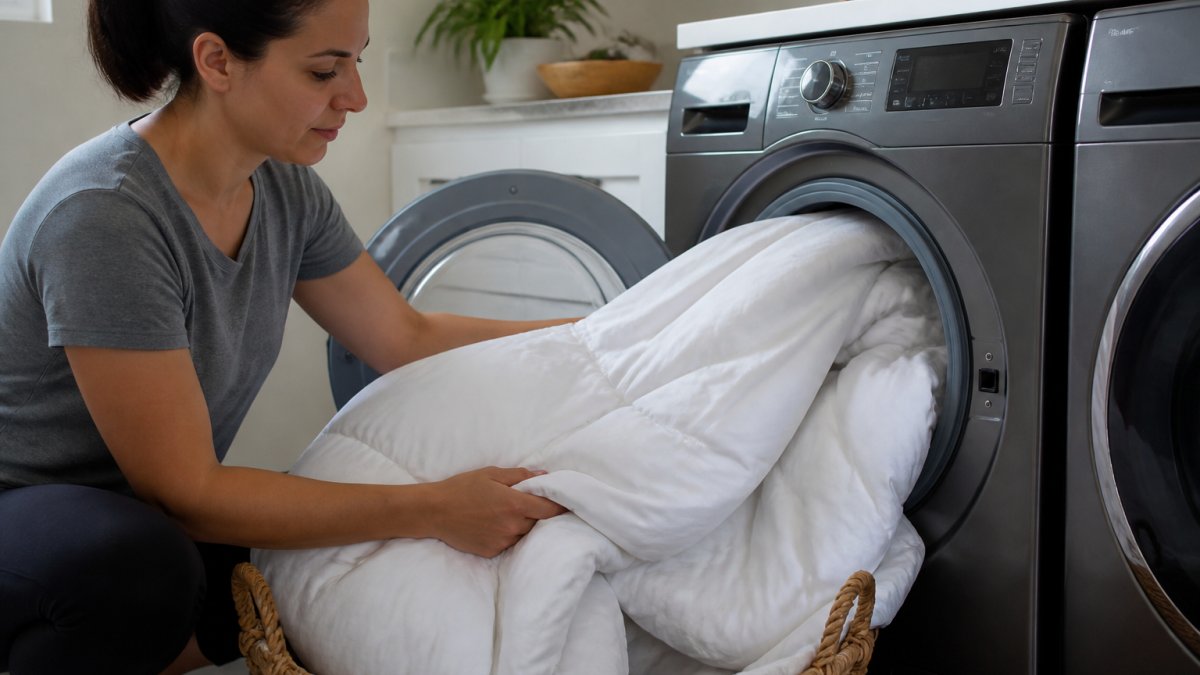
Front-loaders use a tumbling action. They're gentler on fabrics and use less water. However, the drum opening is smaller. Loading a wet king-size comforter can be awkward.
Top-loaders have larger openings, making it easier to load and unload a comforter. The agitator model uses a central post that can snag delicate fabrics.
If you have a smaller home machine, LaundrPro's professional service handles king-size comforters regularly. Our door-to-door pickup and delivery means you don't have to transport a wet, heavy comforter yourself.
What You'll Need Before Washing
Gather these items before you start learning how to wash a king size comforter at home:
- Mild detergent (liquid works best for down)
- Stain pre-treatment spray
- Dryer balls or clean tennis balls
- Access to a large washer
- At least 4-6 hours for drying
- Patience (this is not a quick process)
Checking the Care Label Instructions
Always read the care label first. It's printed on the comforter for a reason. The manufacturer knows their product better than anyone.
Look for these specific details on the care label:
- Water temperature (cold, warm, or hot)
- Recommended detergent type
- Dry-clean only instructions (if present)
- Bleach warnings
- Special handling notes
Some comforters say "dry-clean only." If yours does, skip home washing. Professional cleaning services protect the fill and fabric better. Others specify a maximum water temperature or detergent strength.
If the label says your comforter is machine washable, you're good to proceed. Take a photo of the care label with your phone before you wash. You'll want to reference it during the drying phase.
Selecting the Right Detergent Type
The wrong detergent can damage your comforter's fill or leave residue that traps moisture. Choose carefully.
Liquid detergents dissolve completely and rinse out cleanly. They work well for down-filled comforters because they don't leave powder residue. Use half the recommended amount, oversudsing is a common mistake.
Powder detergents can leave residue in thick fabrics. They're harder to rinse out of a king-size comforter. Avoid these for down or synthetic-filled items.
Gentle or "delicate" formulas are better than regular detergent. They're less harsh on the fabric shell and fill. Look for labels that say "mild detergent" or "gentle formula."
Never use bleach, fabric softener, or scent boosters. These damage down fill and leave chemical residue that traps moisture during drying.
How to Wash a Down Comforter at Home
Down-filled comforters need specific care. The fill is delicate and easily damaged by hot water, aggressive agitation, or harsh chemicals.
Pre-Treating Stains on Bedding
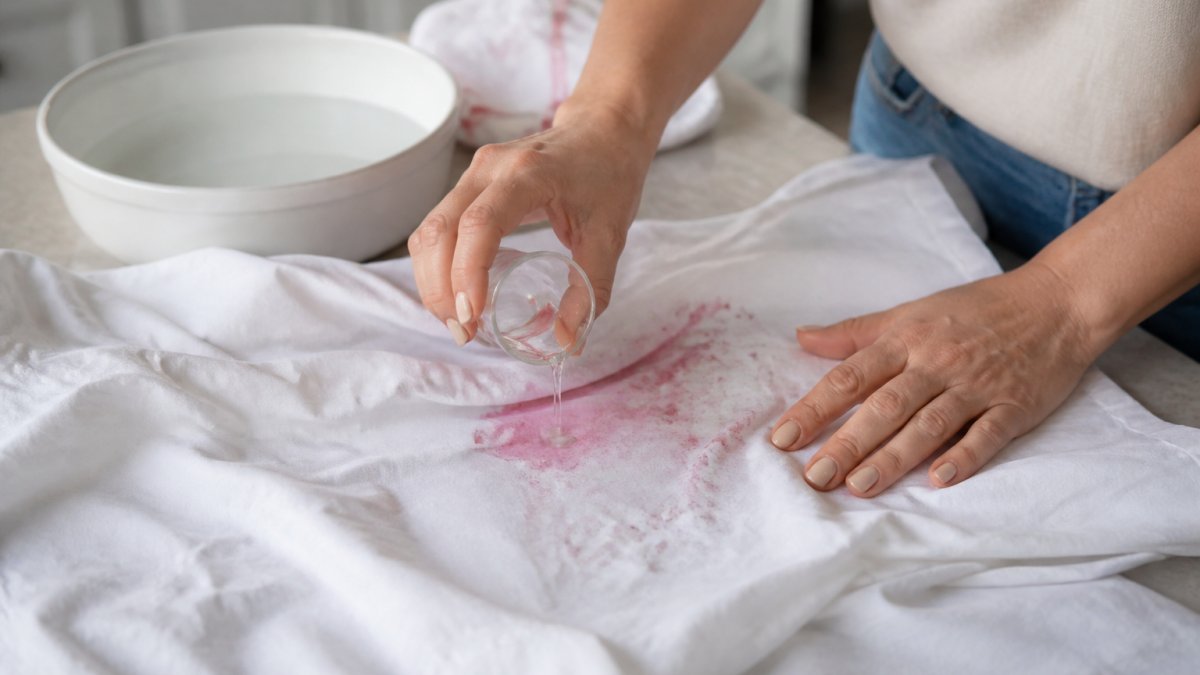
Spot-clean stains before washing. This prevents the stain from setting permanently in the wash cycle.
For fresh stains:
- Blot (don't rub) the stain with a clean cloth
- Apply stain pre-treatment spray
- Let it sit for 10-15 minutes
- Rinse with cool water
- Proceed with washing
For set-in stains:
- Soak the stained area in cool water for 30 minutes
- Apply pre-treatment and let sit for 2-4 hours
- Gently work the product into the stain with your fingers
- Rinse thoroughly before washing
Avoid rubbing or scrubbing. This pushes the stain deeper into the fabric and can damage the fill. Gentle pressure works better on delicate bedding.
Water Temperature Settings for Comforters
Temperature affects both cleaning power and fabric safety. The right setting depends on how soiled your comforter is.
Cold water (60-70°F) is safest for most comforters. It prevents color fading and is gentler on down fill.
Warm water (85-105°F) cleans better than cold water. It helps dissolve detergent more effectively. Use warm water for moderately soiled comforters, but avoid it for delicate down fill if possible.
Hot water damages most comforter fills and fades colors. Avoid it unless the care label specifically allows it. Hot water can cause down to clump permanently.
Fill the washer with water before adding the comforter. This prevents the fabric from bunching up on itself. Add your mild detergent to the water, then gently place the comforter in.
The Importance of the Gentle Cycle
The gentle cycle (also called delicate or hand-wash cycle) uses slower spin speeds and less aggressive agitation. This protects your comforter's integrity.
Standard cycles use high-speed agitation that can tear the fabric shell or damage the fill. Gentle cycles take longer but treat your bedding with care.
Set the washer to gentle cycle with a full rinse. A second rinse cycle helps remove all detergent residue. Detergent left in the fill traps moisture and prevents proper drying.
How to Wash a Comforter with an Agitator
Top-loading washers with center agitators present a challenge. The agitator can snag and tear the comforter's fabric. However, it's doable with the right technique.
Load the comforter loosely around the agitator. Don't wrap it around the post.
Use the gentle or delicate cycle if your washer has one. If not, use the normal cycle but watch the washer during the first minute.
Consider adding an extra rinse cycle to remove all detergent. Agitator-style washers are less efficient at rinsing large items.
If your washer doesn't have a gentle cycle or if repositioning is difficult, use a commercial laundromat instead. The larger capacity machines there are designed for oversized bedding and handle them more effectively than home machines with agitators.
How to Dry a King-Size Comforter
Drying is where most people make mistakes. A wet king-size comforter is heavy and prone to clumping. Proper drying technique prevents permanent damage to the fill.
Drying Techniques and Preventing Clumping
The goal is to dry the comforter evenly while keeping the fill from clumping into hard, cold spots. This takes time and patience.
In a dryer:
- Use a commercial dryer if possible (larger capacity, gentler heat)
- Add 3-4 clean tennis balls or wool dryer balls
- These balls tumble around and break up clumps as the comforter dries
- Set the dryer to low heat or air-dry setting
- Expect 2-4 hours of drying time for a king-size comforter
- Check progress every 30 minutes and redistribute the comforter manually
Air-drying:
- Hang the comforter on a clothesline or over a railing
- This is the gentlest method but takes 24-48 hours
- Periodically shake and redistribute the fill to prevent clumping
- Ensure good air circulation and sunlight if possible
- Bring it inside if rain threatens
The dryer ball technique is effective. As the comforter tumbles, the balls break up clumps before they set permanently. This is especially important for down-filled comforters.
Air Fluff vs. Low Heat Settings
The right heat setting matters. Too much heat damages the fill and fabric. Too little heat leaves moisture trapped inside.
Air fluff (no heat) takes much longer but is safest. Use this setting if your dryer has it. The tumbling action alone helps, though you'll need 4-6 hours of drying time.
Low heat (around 120°F) is a good middle ground. It dries faster than air fluff but won't damage the fill. Set a timer and check every 30 minutes.
Medium or high heat risks damaging down fill and synthetic insulation. Avoid these settings for comforters.
Common Mistakes to Avoid
Most people make at least one of these mistakes when washing a king-size comforter at home.
Overloading the washer. Cramming the comforter in without enough space prevents proper cleaning and rinsing.
Using hot water. Heat damages down fill and fades colors. Even warm water is risky for delicate comforters.
Skipping the rinse cycle. Detergent residue is invisible but causes problems.
Using fabric softener. This coats the fill and prevents it from drying properly. It also reduces the comforter's ability to regulate temperature.
Drying on high heat. This is the most common mistake. High heat damages the fill and can cause permanent clumping.
Not using dryer balls. Without them, the comforter clumps into hard, cold sections.
Rushing the drying process. A wet king-size comforter takes 2-6 hours to dry completely.
When to Use Professional Cleaning Services
Home washing works for some people, but professional cleaning is often the better choice. It depends on your situation and comfort level.
Use professional cleaning if:
- Your home washer is too small (under 4.5 cubic feet)
- The comforter is down-filled and expensive
- You don't have access to a large dryer
- You lack time for the 4-6 hour drying process
- The care label says "dry-clean only"
- You've had bad experiences washing comforters at home
- You want guaranteed spotless results with no risk
Professional services handle the entire process. They have commercial-grade machines designed for oversized bedding. They know how to prevent clumping and damage.
For busy Miami residents, LaundrPro offers professional comforter cleaning with door-to-door pickup and delivery. Our team handles king-size comforters regularly and knows how to preserve the fill and fabric.
Washing a king-size comforter at home is possible but requires the right washer, careful technique, and time. LaundrPro provides fast, reliable comforter cleaning in Miami with transparent pricing and no hidden fees. The American Cleaning Institute provides care guidelines for washing delicate bedding safely at home.
Frequently Asked Questions
Can you wash a king-size comforter in a washer?
Yes, you can wash a king-size comforter at home if your washer has sufficient capacity, typically 4.5 cubic feet or larger. Front-loaders generally handle bulky items better than top-loaders with agitators. Check your machine's manual for weight limits and capacity ratings. If your washer is undersized, the comforter won't clean properly and you risk machine damage from overloading.
What water temperature should you use for a king-size comforter?
Always check the care label first. Most comforters wash safely in warm water (around 90-110°F), which helps remove dust mites and allergens without damaging the fill. Cold water works for lightly soiled comforters but may not eliminate allergens as effectively. Never use hot water unless the label explicitly permits it, as high temperatures can damage down fill and synthetic insulation.
How do you prevent a king-size comforter from clumping in the dryer?
Use low heat or air fluff settings and add dryer balls or clean tennis balls to break up clumps as the comforter dries. Stop the dryer every 15-20 minutes to manually shake and redistribute the fill. This process typically takes 1-2 hours. Never use high heat, which can damage the fabric and cause permanent clumping of the filling material.
How often should you wash a king-size comforter?
Wash your comforter every 2-3 months during regular use, or more frequently if you have allergies or dust mite sensitivities. If you use a duvet cover, you can extend washing intervals since the cover protects the comforter. Spot-clean visible stains immediately to prevent them from setting into the fabric.