 how-to
Treat Grass Stains on Polyester Sports Uniforms
Table of Contents
- Why Grass Stains on Polyester Sports Uniforms Need Immediate Action
- Check Your Uniform's Care Label and Test for Colorfastness
- Pre-Treatment: The First Step to Remove Grass Stains from Sports Uniforms
- How to Get Grass Stains Out of Baseball Pants with Soaking
- How to Remove Stains from Sports Jerseys Without Damaging Logos
- How to Get Stains Out of 100% Polyester Fabrics Safely
- How to Wash Soccer Uniforms After Stain Treatment
- What to Do If the Grass Stain Persists After Washing
- Frequently Asked Questions
Last Updated: October 16, 2026
Why Grass Stains on Polyester Sports Uniforms Need Immediate Action
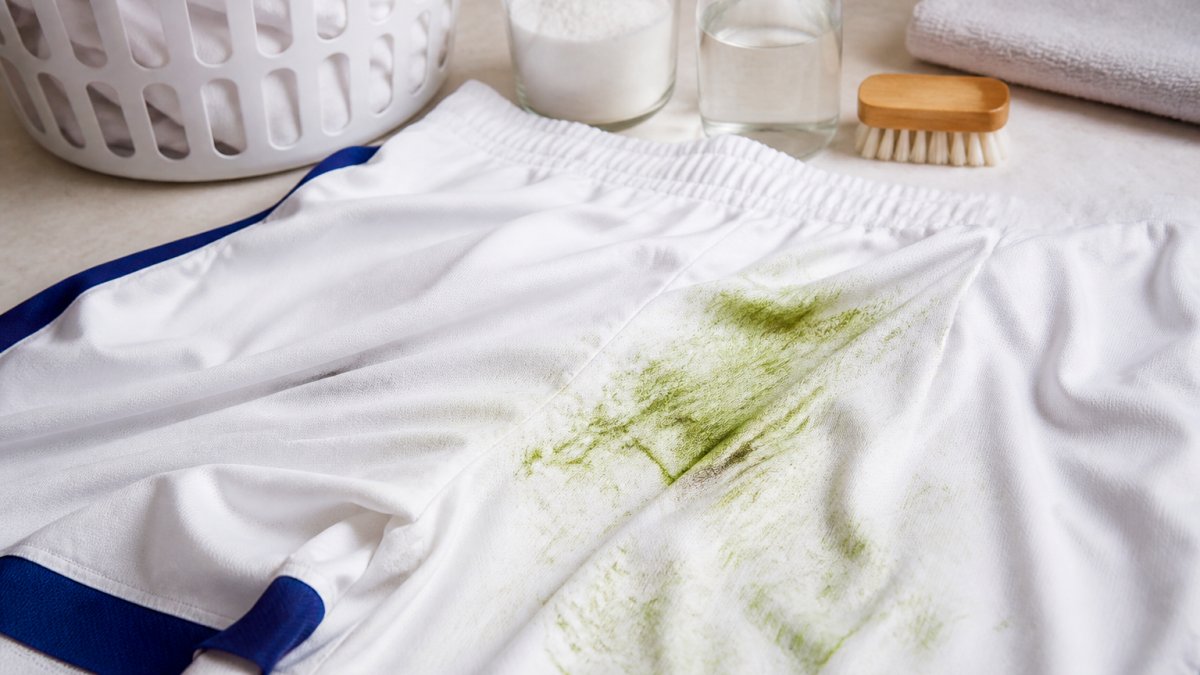
Grass stains polyester sports uniforms differently than cotton fabrics. Polyester is a synthetic fiber that doesn't absorb water the way natural fabrics do. This means grass stains can set quickly and become much harder to remove if you wait. The chlorophyll in grass leaves a pigment that bonds to synthetic fibers fast.
Acting quickly makes a real difference. Fresh grass stains come out easily with simple treatment. Dried stains that have sat for days or weeks require stronger methods and more effort.
In Miami, where humidity and heat accelerate stain setting, treating grass stains immediately is especially important. The warm climate speeds up the chemical bonding between grass pigment and polyester fibers. A stain that might come out in an hour on a cool day can become permanent in a few hours in our heat.
Check Your Uniform's Care Label and Test for Colorfastness
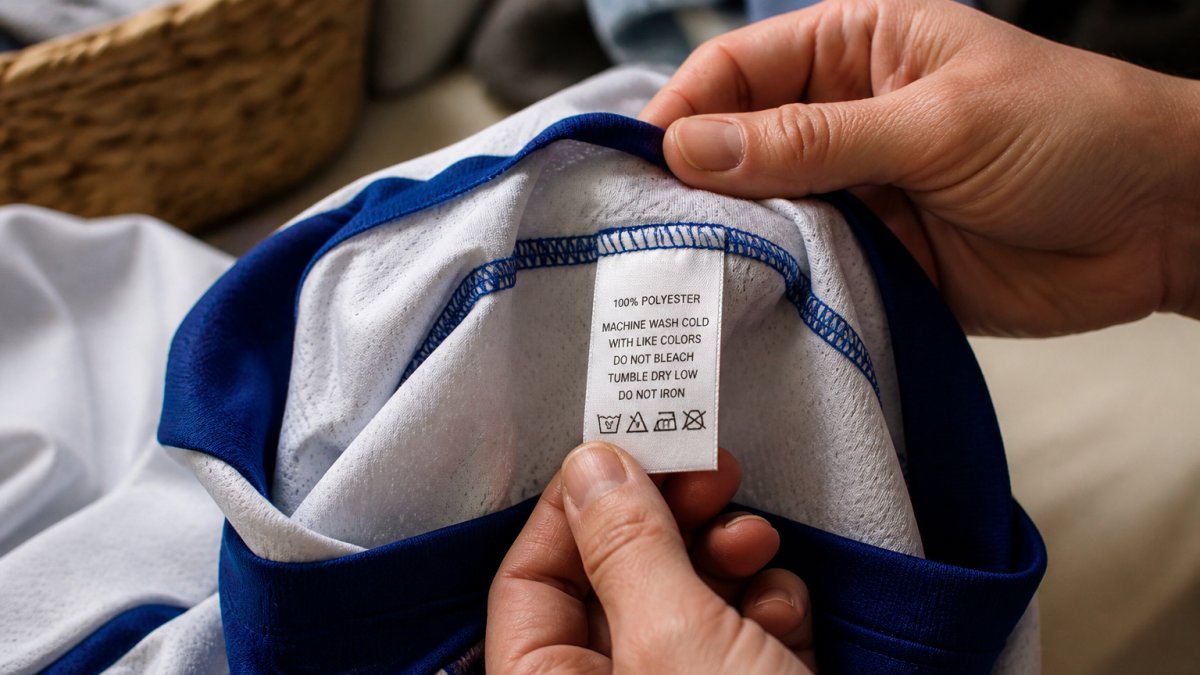
Before you treat any stain on a polyester sports uniform, read the care label. The label tells you the fabric content and what cleaning methods are safe. Many modern sports uniforms include printed numbers, logos, or embroidered details that need special care.
What to look for on the care label:
- Fiber content (should say polyester or synthetic blend)
- Water temperature recommendations (cold, warm, hot)
- Bleach warnings (many synthetic fabrics say "no bleach")
- Drying instructions (air-dry vs. machine dry)
Test the uniform for colorfastness before applying any stain-removal product. Colorfastness means the dye stays in the fabric and doesn't bleed or fade. To test, apply a small amount of your treatment solution to a hidden seam or inside corner. Wait 5 minutes.
This step takes 10 minutes but prevents accidental damage to expensive team jerseys or uniforms with special finishes.
Pre-Treatment: The First Step to Remove Grass Stains from Sports Uniforms
Pre-treatment is where most stain removal happens. You're breaking down the grass pigment before the uniform ever enters the washing machine. This step alone removes 60-80% of fresh grass stains.
Scrape Away Dried Mud and Debris
Start by removing loose material. If the grass stain is wet or has dried mud on it, scrape gently with a dull knife or old credit card. Hold the fabric taut and scrape away from the fibers, not into them.
This takes 2-3 minutes. It prevents you from pushing dried mud deeper into the polyester fibers when you apply detergent. Loose debris that stays on the fabric can actually spread the stain during washing.
For dried, caked-on mud, let it dry completely before scraping. Wet mud smears. Dry mud crumbles away cleanly.
Apply Liquid Detergent Directly to the Stain
Use a liquid laundry detergent, not powder. Liquid detergent dissolves instantly and works better on synthetic fibers. Powder detergent can leave residue on polyester and may not rinse out completely.
Apply the detergent directly to the stain. Use enough to saturate the grass-stained area completely. The detergent should soak through to the back of the fabric. Don't dilute it with water at this stage, concentrated detergent is more effective.
Let it sit for 5-10 minutes. This gives the detergent time to break down the grass pigment and start lifting it from the polyester fibers.
Gently Rub and Work the Detergent Into the Fabric
Now rub the stain gently with your fingers or an old soft brush. Use circular motions. The goal is to work the detergent into the fibers, not to scrub hard. Harsh scrubbing can damage polyester and spread the stain.
Rub for 30-60 seconds. You should see the stain starting to lighten. If the stain is dark or old, rub for up to 2 minutes. The friction combined with the detergent helps release the grass pigment from the synthetic fibers.
Rinse the area with cold water. Rinse thoroughly until the water runs clear and you see no more detergent suds. Cold water prevents the stain from setting further.
How to Get Grass Stains Out of Baseball Pants with Soaking
Baseball pants take a beating. Grass stains on the knees and sliding areas are common. These stains often cover a large area, so soaking works better than spot treatment.
Fill a bucket or sink with cold water. Add a small amount of liquid detergent, about 1 tablespoon per gallon of water. Stir to mix.
Submerge the stained area of the baseball pants. Let them soak for 30 minutes to 2 hours. For old or stubborn stains, soak overnight.
After soaking, rub the stain gently between your hands underwater. Don't wring or twist the fabric. Gentle rubbing helps release the loosened pigment.
Rinse with cold water until all detergent is gone. If the stain is still visible, repeat the soak for another 1-2 hours before washing.
Soaking timeline:
- Fresh stains: 30 minutes
- Stains 1-3 days old: 1-2 hours
- Stains older than a week: overnight soak
This soaking method works especially well for grass stains polyester athletic pants because the fabric can handle extended soaking without damage.
How to Remove Stains from Sports Jerseys Without Damaging Logos
Sports jerseys often have printed, embroidered, or heat-applied logos and numbers. These details need protection during stain treatment. Harsh chemicals or aggressive rubbing can crack, fade, or peel logos.
Treat stains away from printed areas whenever possible. If the grass stain is on the back or sleeve away from logos, use the standard pre-treatment method described above.
If the stain is near or under a logo, use a gentler approach:
Gentle treatment for logo-protected jerseys:
- Apply diluted detergent (1 part detergent to 3 parts water) to the stain
- Let it sit for 10-15 minutes
- Rub very gently with a soft cloth, avoiding the logo area
- Rinse with cold water
Never scrub directly on a printed logo. Never use oxygen bleach or hydrogen peroxide near embroidered areas, these can lighten or damage the embroidery thread.
For valuable team jerseys or jerseys with special finishes, consider professional cleaning.
How to Get Stains Out of 100% Polyester Fabrics Safely
Pure polyester has different properties than cotton or blended fabrics. It doesn't absorb water easily, which is good for preventing stains from setting.
For 100% polyester sports uniforms, cold water is essential. Warm or hot water can actually help set grass stains on synthetic fabrics. Always use cold water for pre-treatment, soaking, and rinsing.
Liquid detergent works better than powder on polyester because it dissolves completely and rinses out cleanly. Powder residue can build up on synthetic fibers and make stains more visible.
Avoid chlorine bleach on polyester. Chlorine can yellow synthetic fabrics and weaken the fibers. If you need bleach, use oxygen bleach instead. Oxygen bleach is gentler and works well on polyester grass stains.
Safe stain-removal ingredients for 100% polyester:
- Liquid laundry detergent
- Oxygen bleach (color-safe)
- Baking soda (as a gentle scrub paste)
- Hydrogen peroxide (test first for colorfastness)
Never use hot water, chlorine bleach, or harsh scrubbing on polyester uniforms. These methods can damage the fabric permanently.
How to Wash Soccer Uniforms After Stain Treatment
After pre-treatment and soaking, wash the uniform properly. The washing machine can finish removing loosened stain particles.
Use cold water. Set the washing machine to a gentle or delicate cycle. High agitation can damage polyester fibers and spread remaining stain particles.
Add regular laundry detergent. Don't add extra detergent thinking it will remove more stain, excess detergent leaves residue on synthetic fabrics and can make stains more visible.
Wash the uniform alone or with similar colors. Don't overload the machine. The uniform needs room to move freely so water and detergent reach all areas.
Wash time: 25-35 minutes on a gentle cycle is enough. Longer cycles don't improve stain removal on polyester and can stress the fabric.
After washing:
- Check the stain before drying
- If the stain is gone, air-dry the uniform
- If the stain remains, repeat pre-treatment and soaking before drying
- Never put a stained uniform in the dryer, heat locks stains permanently
Air-drying is safest for polyester uniforms. Line-dry or lay flat on a clean towel. This protects logos, moisture-wicking coatings, and elastic areas from heat damage.
What to Do If the Grass Stain Persists After Washing
Sometimes a grass stain survives the first treatment and wash. This happens with old stains or stains on heavily treated polyester.
Repeat the pre-treatment process. Apply liquid detergent directly to the remaining stain. Let it sit for 15-20 minutes this time, longer than the first treatment.
If the stain is still visible, try oxygen bleach. Mix oxygen bleach powder with cold water according to package directions.
For stubborn stains that won't budge after multiple treatments, consider professional cleaning. Dry cleaners have access to stronger stain-removal chemicals and equipment designed for athletic wear.
In Miami, where many families manage multiple uniforms for sports teams, professional uniform cleaning saves time and protects expensive gear. LaundrPro offers flat-rate pricing and fast turnaround.
When to seek professional help:
- Stain persists after 2-3 home treatments
- Uniform has special coatings or finishes
- Uniform is expensive or irreplaceable
- You need the uniform clean within 24-48 hours
Grass stains on polyester sports uniforms don't have to ruin expensive gear. Quick action, cold water, and the right detergent remove most stains at home.
Frequently Asked Questions
How long should I soak a sports uniform with grass stains before washing?
Soak the uniform for 30 minutes to 2 hours in cold water mixed with liquid detergent or enzyme-based stain remover. For stubborn grass stains on polyester, an overnight soak (8-12 hours) in cold water works well. Check the care label first to confirm the fabric can handle extended soaking. After soaking, rinse the uniform in cold water before washing.
Can I use hot water on grass stains in polyester sports uniforms?
No, avoid hot water on grass stains in polyester fabrics. Hot water can set grass stains permanently and damage synthetic fibers. Use cold water for pre-treatment and washing. Cold water helps lift the stain without bonding the chlorophyll to the polyester fibers. Warm water is acceptable only after the stain has been removed, and only if the care label permits.
What should I do if a grass stain remains after washing?
Do not put the uniform in the dryer if the stain persists, heat will permanently set it. Instead, repeat the pre-treatment: apply liquid detergent or oxygen bleach directly to the stain, let it sit for 15-30 minutes, gently rub, and soak again. Rinse thoroughly and wash a second time. For stubborn residue, try enzyme detergent or hydrogen peroxide on the stained area, but test on a hidden seam first to ensure colorfastness.
How do I protect printed numbers and logos when treating grass stains on sports jerseys?
Turn the uniform inside out during pre-treatment and soaking to minimize direct contact with printed or embroidered details. When applying detergent, avoid rubbing directly over logos or numbers. For stains on or near printed areas, use gentle pressure and work from the outer edges of the stain inward. Air-dry the uniform after treatment rather than using the dryer, which can cause ink or embroidery damage.