 how-to
7 Steps to Fold Sweaters for Storage Without Stretching
Last Updated: October 25, 2026
Quick Summary
The best way to fold sweaters for storage is to lay them flat, fold both sleeves inward diagonally toward the center, then fold the sweater in half lengthwise and into thirds or fourths to create a compact rectangle. This method distributes weight evenly and preserves the sweater's original shape far better than hanging, which causes permanent stretching and distortion from gravity's constant pull on the fibers.
- Hanging sweaters stretches fibers permanently, especially around shoulders and armholes, as weight concentrates at two points where the hanger rests.
- Always wash and completely dry sweaters before folding them into storage to prevent stains from setting and to avoid attracting moths.
- Stack folded sweaters with heaviest ones on bottom and rotate them every few months to prevent permanent creases from forming.
- Store sweaters in cool, dry locations between 60 and 70 degrees Fahrenheit using breathable bags, never plastic containers that trap moisture.
- Use cedar blocks or lavender sachets to deter moths, refreshing them monthly in humid climates like Miami where moisture weakens their effectiveness faster.
Table of Contents
- Should You Fold or Hang Sweaters
- Why Hanging Stretches and Distorts Knitwear
- Prepare Your Sweater Before Folding
- How to Fold Bulky Sweaters to Save Space
- How to Store Sweaters to Prevent Wrinkles
- Folding Sweaters for Drawer Storage
- Miami's Humidity: Storage Tips for Your Climate
- Keep Your Folded Sweaters Fresh Year-Round
- Frequently Asked Questions
Should You Fold or Hang Sweaters
The choice between folding and hanging your sweaters matters more than most people think. Hanging works fine for structured garments like blazers, but knitwear is different. Sweaters made from wool, cotton blends, and delicate fibers need care that hangers simply cannot provide.
When you hang a sweater, gravity pulls on the fabric constantly. The weight of the garment stretches the fibers, especially around the shoulders and armholes. Over weeks and months, this creates permanent distortion. The neckline sags. The sleeves grow longer. What fit perfectly now won't fit the same way next season.
Learning how to fold sweaters for storage preserves their shape far better than hanging. It distributes weight evenly across the garment. There's no single point of stress. For anyone storing sweaters long-term, folding is the best way to fold sweaters for storage and maintain their original fit.
The trade-off is space. Folded sweaters take up more room than hung ones. But if you're storing seasonally or keeping pieces you love, that trade is worth making. A stretched-out sweater is lost. A folded one stays perfect.
Why Hanging Stretches and Distorts Knitwear
Hanging creates a specific problem with knitwear that doesn't affect other fabrics. Sweater fibers are loosely looped together. When weight pulls down on those loops, they elongate permanently. The damage is often irreversible.
Here's what happens in detail. A sweater weighs between one and three pounds. When hung on a hanger, all that weight concentrates at two points: where the shoulders rest on the hanger. The fibers at those points experience constant tension. Over time, they stretch.
The shoulder seams widen. The armholes drop lower. The body of the sweater elongates. If you wear the sweater again, it no longer fits. The neckline might sag. The sleeves might reach past your wrists instead of your wrists.
Delicate fibers are most vulnerable. Merino wool, cashmere, and fine cotton blends all stretch easily under sustained weight. Thicker, tightly-knit sweaters resist stretching better, but they still suffer from it. Even sturdy knitwear will distort if hung for months on end.
Rolling or folding eliminates this problem entirely. The weight spreads across the whole garment. No single point bears the load. The fibers stay relaxed and maintain their original shape.
Prepare Your Sweater Before Folding
Before you fold, prepare the sweater properly. This step takes just a few minutes and protects your garment.
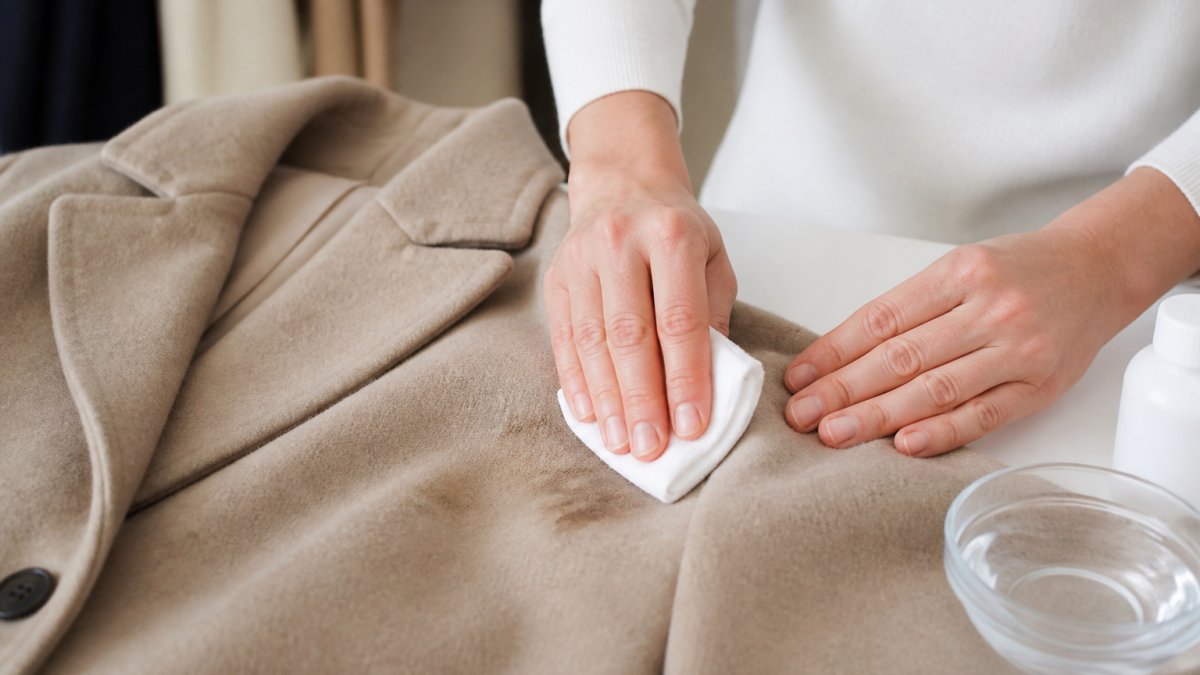
Start by washing or cleaning your sweater if needed. Never fold a dirty sweater into storage. Stains set over time. Oils and sweat attract moths and other pests. A clean sweater stays fresh throughout the storage period.
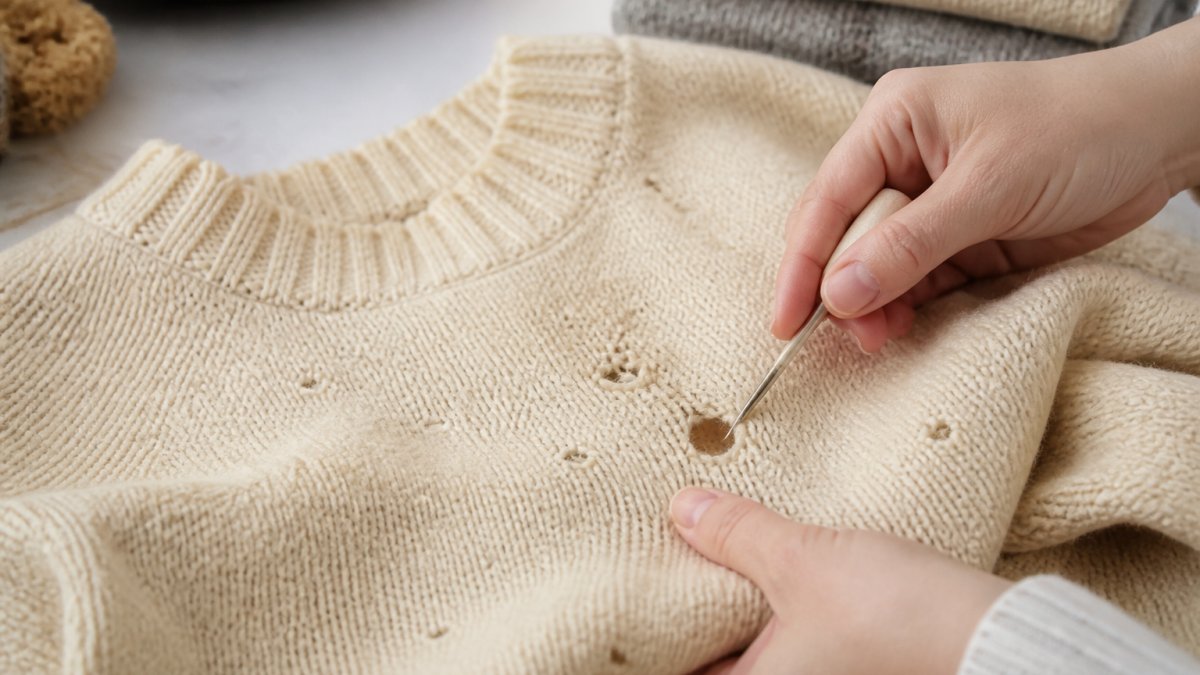
After washing, dry your sweater completely. Lay it flat on a clean towel and let air dry. Never tumble-dry knitwear. The heat and agitation damage fibers. Once dry, inspect the sweater for any damage. Look for loose threads, small holes, or pilling. Address these issues before storing.
Check the sweater for wrinkles or creases. If it's wrinkled, gently steam it or hang it in a humid bathroom for a few minutes. The moisture helps relax wrinkles naturally. Avoid ironing sweaters directly. If you must iron, place a cloth between the iron and the sweater.
Remove any lint, pet hair, or debris from the surface. Use a lint roller or soft brush. These particles can become trapped in storage and damage the fibers.
Finally, make sure the sweater is completely cool before folding. Warm fabric can trap moisture. Cool fabric folds more cleanly and holds its shape better during storage.
How to Fold Bulky Sweaters to Save Space
Bulky sweaters need a specific technique to save space without damaging the fibers. The key is creating a compact rectangle that fits neatly on shelves or in drawers.
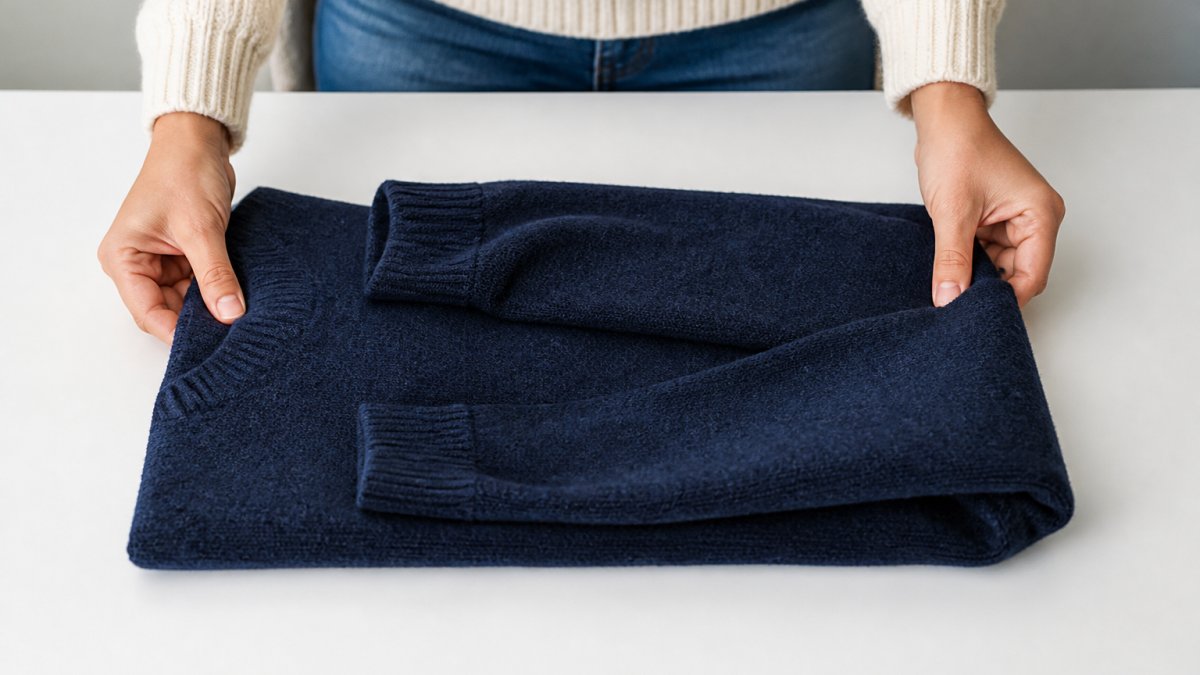
Lay the sweater flat on a clean surface with the front facing up. Smooth out any wrinkles with your hands. Position the sweater so the sleeves extend to the sides.
Fold one sleeve inward at a 45-degree angle, bringing the sleeve toward the center of the sweater. The sleeve should fold diagonally across the body, not straight in. Repeat with the other sleeve.
Fold the sweater in half lengthwise, bringing one side toward the center. The folded sleeves should stay tucked inside. Fold the other side over to match. You now have a long rectangle.
Fold this rectangle in thirds or fourths, depending on how much space you have. Start at one end and fold toward the other, creating a compact square or small rectangle.
For extra-bulky sweaters, consider the Ranger roll method. Instead of folding flat, roll the sweater tightly from one end. This creates a cylinder shape that saves even more space. Rolling works best for sweaters you won't access frequently.
How to Store Sweaters to Prevent Wrinkles
Wrinkles form when folded sweaters sit too long in the same position. Prevent them with smart storage choices and regular rotation.
Choose a storage location that stays cool and dry. Heat and humidity accelerate fiber breakdown and encourage wrinkles. A closet shelf works well. A dresser drawer is also good.
Stack folded sweaters with the heaviest ones on the bottom. Lighter sweaters go on top. This distributes weight evenly and prevents the bottom sweaters from creasing under pressure.
Rotate your sweaters every few months, even during storage. Move the bottom sweater to the top. This prevents permanent creases from forming. The change in position also helps the fibers relax and recover their shape.
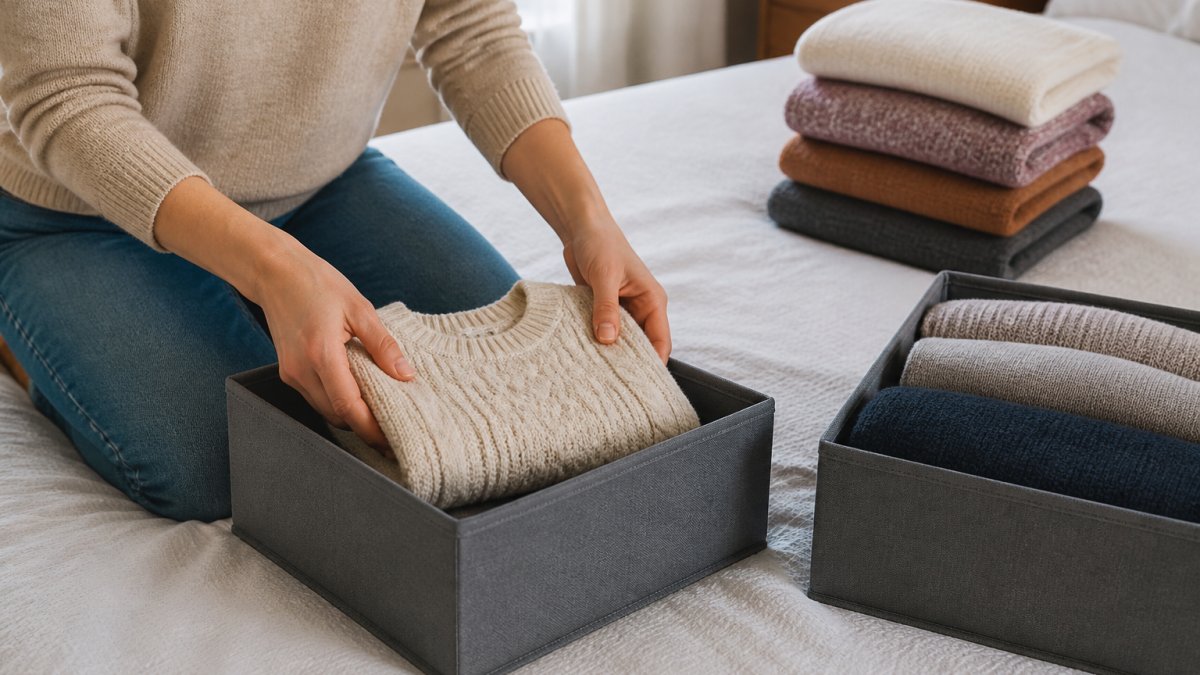
Use shelf dividers or file folders to keep sweaters upright and separated. This vertical filing method lets you see all your sweaters at once. You're less likely to crush them by stacking too many together.
For long-term storage beyond a season, consider garment bags. Choose breathable fabric, not plastic. Plastic traps moisture and can damage fibers. Breathable bags protect from dust while allowing air circulation.
Cedar blocks or lavender sachets keep moths away naturally. Place them near your sweaters but not touching the fabric directly. The scent deters pests without leaving residue on your garments.
Folding Sweaters for Drawer Storage
Drawer storage requires a different approach than shelf storage. Drawers are typically shallower, so your fold needs to be more compact.
Lay the sweater flat and fold both sleeves inward as described earlier. Fold the sweater in half lengthwise. Now fold it in half again, creating a smaller rectangle.
If your drawers are very shallow, fold the sweater into thirds instead. Start with the same sleeve fold, then fold the body into three sections. This creates a thinner, wider rectangle.
Stand the folded sweater upright in the drawer using the vertical filing method. This approach lets you see all your sweaters without removing the ones on top. You can grab the one you want without disturbing the others.
Avoid stacking folded sweaters too high in the drawer. Heavy stacks compress the lower sweaters and create permanent creases. Keep stacks to three or four sweaters maximum.
Use drawer dividers to create separate sections for different sweater types. Keep bulky sweaters in one section and lightweight ones in another. This organization makes finding what you need quick and easy.
Leave space between sweaters for air circulation. Tightly packed drawers trap moisture and can lead to musty smells. Good air flow keeps sweaters fresh during storage.
Miami's Humidity: Storage Tips for Your Climate
Miami's humidity presents unique challenges for sweater storage. The warm, moist air can damage knitwear if you're not careful. Adjust your storage strategy to account for local conditions.
Humidity promotes mold and mildew growth on fabric. It also encourages pests like moths and carpet beetles. Sweaters stored in humid conditions deteriorate faster than those in dry climates.
Use a dehumidifier in your closet or storage area if possible. Keep humidity levels below 50 percent (Storing Your Books - Preserving Your Books).
Air conditioning helps. Keep your storage area at a consistent temperature between 60 and 70 degrees Fahrenheit.
Never store sweaters in plastic containers or sealed plastic bags. These trap moisture and create the perfect environment for mold. Use breathable fabric storage bags or open shelving instead.
Check your sweaters more frequently in Miami's climate. Inspect them monthly for signs of mold, mildew, or pest damage. Catch problems early before they spread.
Consider professional cleaning and storage services for valuable sweaters. Professional wash and fold laundry services in your area can handle delicate knitwear properly.
Cedar and lavender work well here too, but refresh them monthly. Miami's moisture weakens their effectiveness faster than in drier climates. Replace sachets regularly to maintain pest protection.
Keep Your Folded Sweaters Fresh Year-Round
Proper maintenance keeps your folded sweaters in perfect condition between wearings. A few simple habits extend the life of your favorite pieces.
Rotate your sweaters seasonally. In fall and winter, wear your heavier knits. In spring and summer, store them properly and wear lighter options.
Before storing for the season, wash or clean each sweater one final time. Remove any stains or marks.
Check stored sweaters monthly. Look for signs of pilling, loose threads, or damage. Address small issues before they become big problems.
Use garment care products designed for knitwear. Fabric refresher sprays remove odors without washing. Pilling combs gently remove fuzzballs from the surface.
If you have valuable or delicate pieces, professional cleaning before storage ensures they stay pristine.
Avoid storing sweaters near direct sunlight. UV light fades colors and weakens fibers over time. Choose a dark closet or drawer instead.
Keep sweaters away from strong smells like perfume, mothballs, or cleaning chemicals. Knitwear absorbs odors easily. These smells are hard to remove once absorbed.
For long-term storage beyond one season, consider rotating storage locations. If you have multiple closets or storage areas, move your sweaters between them.
Storing sweaters properly takes just a few minutes per garment, but the payoff lasts for years.
At LaundrPro, we understand how important it is to care for your favorite pieces. For valuable sweaters or when you need help managing seasonal storage, explore how our service works and let us handle the care while you focus on what matters.
| Folding Method | Best For | Space Saved | Wrinkle Risk |
|---|---|---|---|
| Flat fold in thirds | Most sweaters, drawer storage | Moderate | Low |
| Ranger roll | Bulky sweaters, travel | High | Very low |
| Vertical filing | Drawer organization, easy access | Moderate | Low |
| Double fold | Shallow drawers, compact storage | High | Moderate |
| Climate Challenge | Solution | Frequency |
|---|---|---|
| High humidity | Use dehumidifier, breathable bags | Ongoing |
| Temperature swings | Keep area 60-70°F | Ongoing |
| Mold risk | Check monthly, refresh cedar | Monthly |
| Pest activity | Replace lavender sachets | Every 4-6 weeks |
Frequently Asked Questions
Should sweaters be folded or hung for storage?
Folding is the best way to fold sweaters for storage. Hanging stretches the fabric over time, especially heavy knitwear, causing the neckline and shoulders to distort. Laying sweaters flat or folding them compactly keeps them in shape and prevents wrinkles. This method works for all fiber types, from delicate cashmere to sturdy wool.
How do you fold bulky sweaters to save space?
For bulky sweaters, use the compact rectangle method: lay the sweater flat, fold the sleeves inward, then fold the body into thirds or fourths depending on thickness. This creates a tight, space-efficient package that fits easily in drawers or on shelves. Rolling the folded bundle adds extra compression for oversized pieces.
How should you fold sweaters for drawer storage?
Fold sweaters using the vertical filing method for drawers: create a compact rectangle, then stand it upright so you can see all your sweaters at once. This approach maximizes drawer space and prevents the bottom sweaters from getting crushed.
What is the best way to store sweaters to prevent wrinkles?
Store sweaters in a cool, dry place away from direct sunlight and moisture. Lay them flat or fold them using the compact method, never hanging them. Use cedar blocks or lavender sachets to deter moths and maintain freshness.