 how-to
How to Clean Delicate Garments Safely
Table of Contents
- Understanding Your Garment's Care Label
- Choosing the Best Laundry Detergent for Delicate Fabrics
- How to Hand Wash Silk and Other Delicate Materials
- Water Temperature and Soaking Guidelines
- How to Dry Delicate Clothes Without a Dryer
- Treating Stains on Delicate Garments
- Using Mesh Laundry Bags for Machine Washing Delicates
- Repairing Minor Damage and Preventing Pilling
- Frequently Asked Questions
Last Updated: August 13, 2026
Understanding Your Garment's Care Label
Your garment's care label is the manufacturer's instruction manual. It tells you exactly what your item can handle and what will damage it. Care labels use standardized symbols and language across the industry, covering water temperature, washing method, bleach safety, and drying instructions. These symbols are legally required to be accurate, a garment labeled "hand wash only" genuinely cannot survive a washing machine cycle.
Pay special attention to fiber content. Silk, wool, cashmere, lace, and synthetic blends all have different breaking points. Silk weakens when wet and breaks down under agitation. Wool shrinks dramatically in hot water. Delicate synthetics can pill or snag with rough handling. Temperature is critical: a label saying "cool water" isn't a suggestion, it's a requirement. Hot water causes color bleeding, fiber breakdown, and permanent damage.
Choosing the Best Laundry Detergent for Delicate Fabrics
Standard laundry detergent is too harsh for delicate garments. It contains enzymes, optical brighteners, and surfactants designed to attack tough stains and break down dirt on regular fabrics. Those same chemicals damage silk, wool, and other delicate materials.
A gentle detergent is pH neutral and enzyme-free. Enzymes break down proteins in natural fibers like silk and wool, causing them to weaken and deteriorate. Optical brighteners can discolor delicate fabrics. Look for detergents specifically labeled for delicate, wool, or silk care. These formulations have lower surfactant concentrations and no enzymes.
Liquid detergents work better than powders for delicate items. Powder can leave residue on fabrics and is harder to rinse out completely. Liquid dissolves faster in cool water and rinses more thoroughly.
What to Avoid in Detergents
Never use bleach on delicate garments unless the care label explicitly says it's safe. Bleach breaks down fibers and causes yellowing or weakening. Fabric softener coats fibers with a slippery substance that reduces absorbency and can trap moisture, promoting mildew. Avoid detergents with heavy perfumes or dyes, which can stain light-colored fabrics or cause allergic reactions. Don't use hot water with any detergent on delicate garments, even gentle detergents work more aggressively in heat, and the temperature itself damages delicate fibers.
How to Hand Wash Silk and Other Delicate Materials
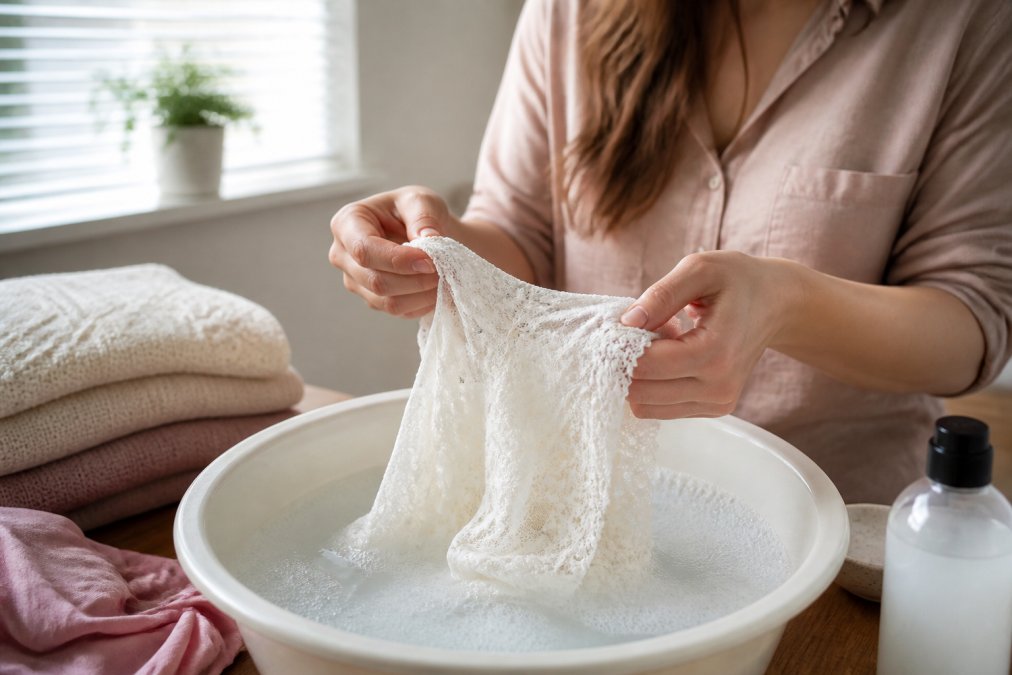
Hand washing is the safest method for cleaning delicate garments. It gives you complete control over water temperature, agitation, and handling. The basic principle is simple: submerge the garment in cool water with gentle detergent, let it soak, rinse thoroughly, and lay it flat to dry. The process takes about 10-15 minutes of active time, plus soaking time.
Step-by-Step Hand Washing Process
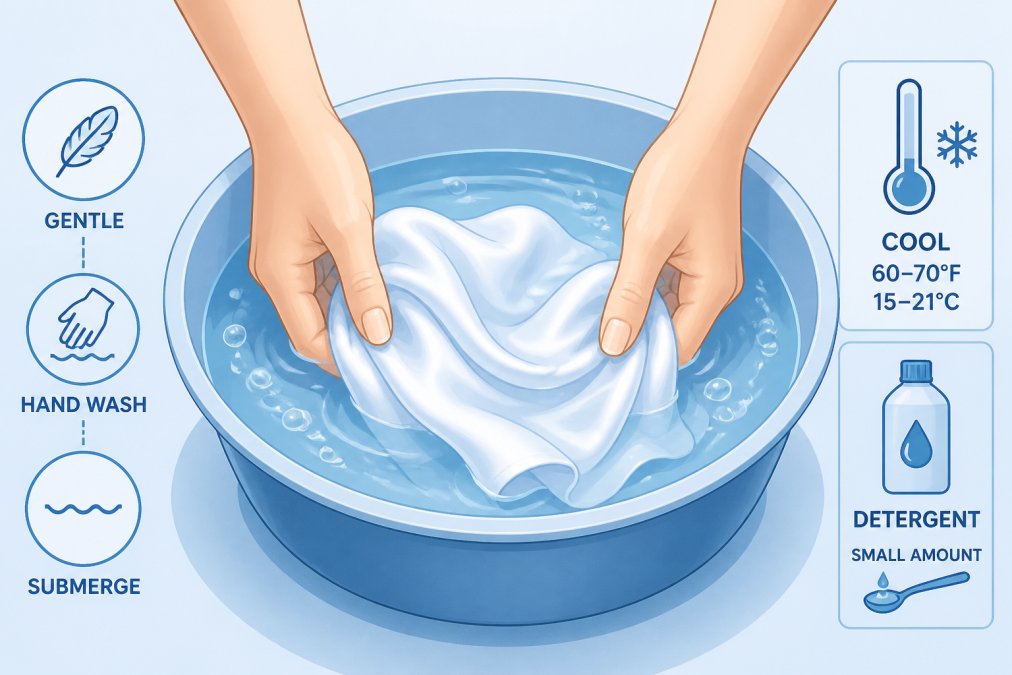
Step 1: Fill a basin with cool water. Use a sink, bathtub, or large bowl with enough water to fully submerge the garment.
Step 2: Add gentle detergent. Use about 1 teaspoon of gentle detergent for a typical garment. Dissolve it in the water before adding the garment.
Step 3: Submerge the garment gently. Place the item in the water and gently push it down. Let it soak for 5-10 minutes.
Step 4: Gently agitate the garment. After soaking, gently move the garment around in the water with your hands. Squeeze the soapy water through the fabric with a gentle pressing motion. Never wring, twist, or scrub. Focus on areas that need cleaning: underarms, collars, cuffs.
Step 5: Drain and rinse. Drain the soapy water and refill the basin with clean cool water. Submerge the garment again and gently squeeze the clean water through it. Repeat this rinsing step 2-3 times until the water runs clear.
Step 6: Remove excess water carefully. Gently press the garment against the side of the basin to remove water. Never wring or twist. You can gently squeeze water out with your hands, but the goal is to remove excess water without stressing the fibers.
The key to successful hand washing is patience. Delicate fabrics need time for detergent to work and time for thorough rinsing.
Water Temperature and Soaking Guidelines
Cool water is always the right choice for delicate items. Lukewarm water is acceptable if the care label allows it, but cool water is safer and works well with gentle detergent. Hot water causes color bleeding, weakens delicate fibers like silk and wool, and can cause permanent shrinkage.
The soaking step is important. Letting a delicate garment soak for 5-10 minutes in cool water with gentle detergent allows the detergent to work without aggressive agitation. For heavily soiled delicate items, you can extend the soak to 15-20 minutes. After soaking and gentle agitation, thorough rinsing is essential. Rinse until the water runs completely clear, any detergent left on the garment can cause discoloration or weakening over time.
How to Dry Delicate Clothes Without a Dryer
Machine drying is never appropriate for delicate garments. The heat and tumbling action cause shrinkage, fiber breakdown, pilling, and permanent damage. Air drying is the only safe method.
Flat drying is safest for most delicate items because it supports the entire garment and prevents stretching. Lay the garment on a clean, dry surface like a towel, mesh drying rack, or clean sheet. Gently shape it to its normal dimensions and let it dry completely, typically 24-48 hours depending on humidity and airflow.
For hanging, use a padded hanger or clothesline. Hang shirts and dresses by the shoulders, or fold heavier items lengthwise over the line. Avoid hanging heavy wet garments, as the weight can permanently stretch delicate fibers.
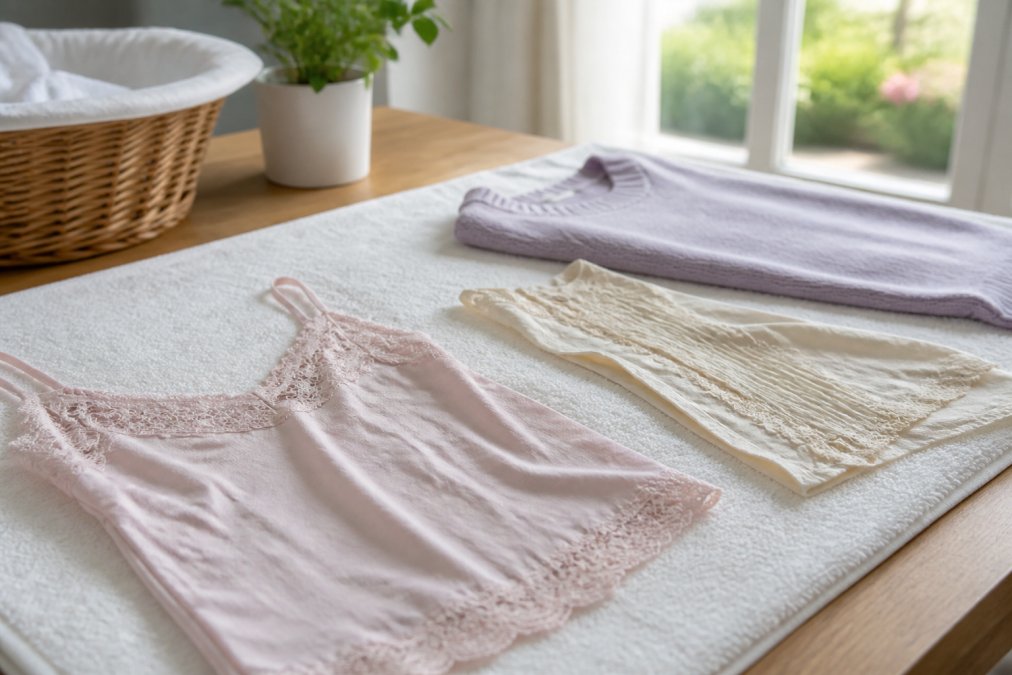
Speed up the process by placing the garment in a warm, dry room with good air circulation. A fan can help, but don't point it directly at the garment. Avoid direct sunlight on delicate items, as UV light can cause fading and yellowing. Never use a hair dryer or heat source on delicate garments.
Treating Stains on Delicate Garments
Stains on delicate garments require immediate attention and a gentle approach. The longer a stain sits, the harder it becomes to remove. Identify the stain type first: protein-based stains like blood or sweat need cool water, while oil-based stains like grease need a different approach than water-based stains like wine or juice.
For most stains, start by blotting with cool water using a clean white cloth. Never rub or scrub, as this pushes the stain deeper into the fibers. For protein stains like blood, soak the garment in cool water for 15-30 minutes. For oil-based stains, apply a small amount of gentle dish soap directly to the stain, let it sit for 5 minutes, then gently work it in and rinse thoroughly with cool water. For other stains like wine, juice, or coffee, blot first, then soak in cool water with a small amount of gentle detergent.
Never apply heat to a stain on a delicate garment. Heat sets stains permanently. If a stain persists after soaking and hand washing, take the garment to a professional cleaner rather than risk further damage with aggressive treatment.
Using Mesh Laundry Bags for Machine Washing Delicates
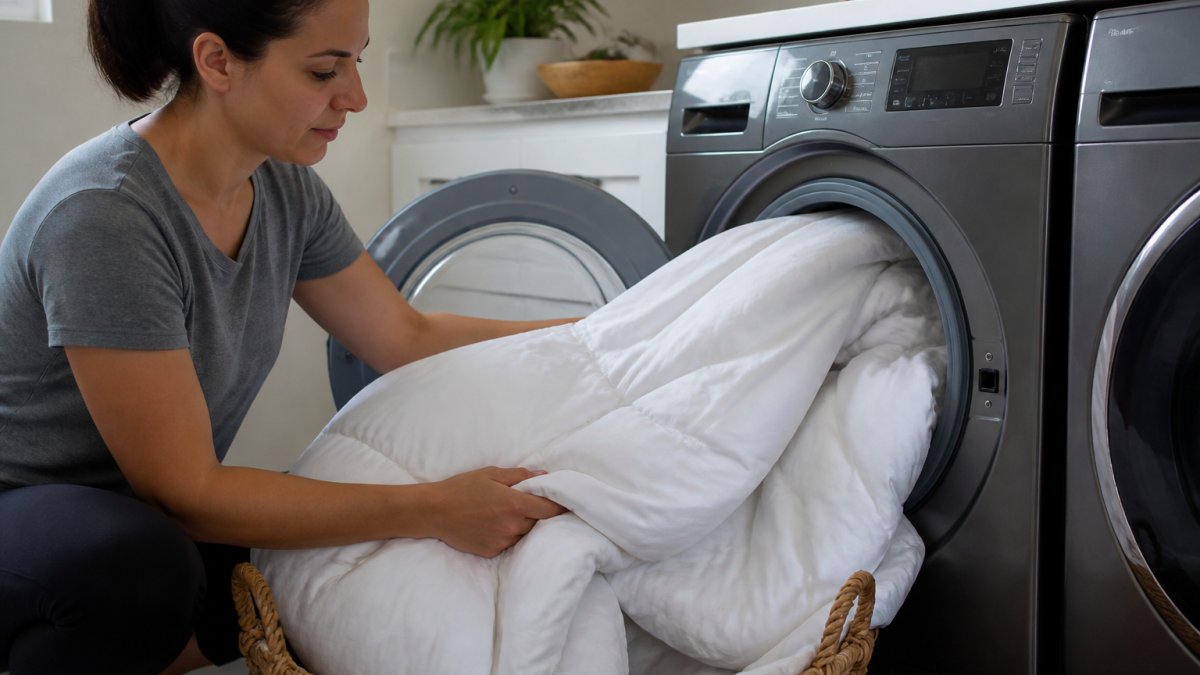
Some delicate items can be machine washed if you use the right protection and settings. A mesh laundry bag is a protective barrier that allows water and detergent to reach the garment while preventing agitation damage. Items labeled "hand wash only" should stay out of the machine, but garments labeled "delicate cycle" or "gentle cycle" can often survive machine washing with a mesh bag.
Place the garment inside the mesh bag before putting it in the washing machine. Use cool water and a delicate or gentle cycle. Add gentle detergent and run a short cycle, removing the garment immediately when finished. Don't overload the mesh bag, fill it about two-thirds full to allow water circulation. Use a mesh bag for items like delicate underwear, lightweight sweaters, or garments with delicate trims. For silk, wool, or heavily delicate items, hand washing is still the safest choice.
Repairing Minor Damage and Preventing Pilling
Pilling happens when fibers break and bunch together on the fabric surface. Prevent pilling by handling garments gently, avoiding friction against rough surfaces, and storing them properly. Turning garments inside out before washing reduces pilling because the inside surface experiences less agitation.
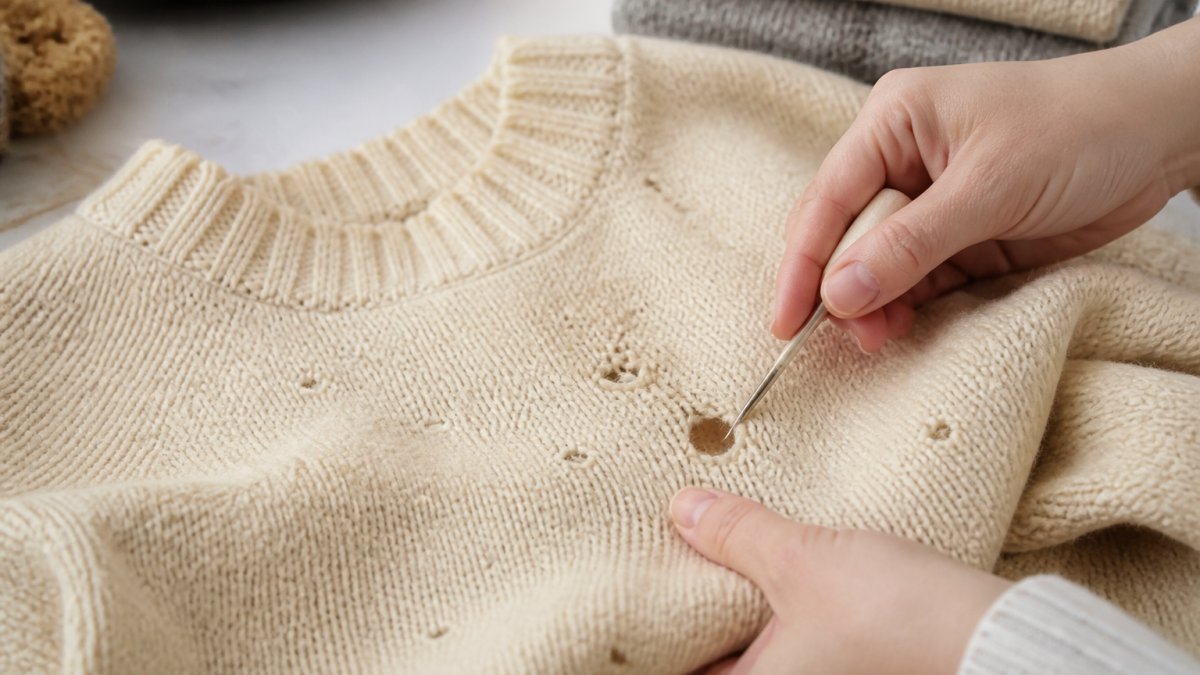
If pilling occurs, use a fabric shaver or lint remover designed for delicate fabrics. Never pick at pills with your fingers, as this can damage more fibers. For snags in delicate fabrics, use a small needle to gently work the snagged fiber back through the fabric from the reverse side. Loose seams should be addressed before washing with a few quick stitches to prevent small problems from becoming major tears.
Store delicate garments properly to prevent damage. Use padded hangers for items you hang, and fold heavier items flat. Keep delicate items in a cool, dry place away from direct sunlight.
When you're dealing with delicate garments, the investment in proper care pays off. Silk blouses, wool sweaters, and lace items deserve careful handling that preserves their appearance and extends their life. At LaundrPro, we understand that many busy professionals in Miami don't have time for careful hand washing and air drying. That's why our door-to-door laundry service includes specialized care for delicate items. We handle your silk, wool, and lace garments with meticulous attention, cool water, gentle detergent, and proper drying techniques. Our flat-rate pricing means you know exactly what you're paying, with no hidden fees or surprise charges for delicate care. Get started with LaundrPro and let us handle the careful cleaning while you focus on what matters most.
Frequently Asked Questions
What is the best way to wash delicate clothes?
Hand wash delicate garments using cool or lukewarm water (65-75°F) with a gentle, pH-neutral detergent. Submerge the fabric and gently agitate for 3-5 minutes without wringing. Rinse thoroughly in cool water until all soap residue is gone. If using a washing machine, select the delicate cycle with a mesh laundry bag. Always air dry, never use heat, as it can cause fiber breakdown and shrinkage.
Is vinegar safe for delicate fabrics?
White vinegar can be used as a rinse aid for delicate garments, but sparingly. Add 1 tablespoon to the final rinse water to remove detergent residue and restore softness. However, avoid vinegar on wool and silk if they have color sensitivity, as acidic solutions can affect dyes. Test on a hidden area first. For most delicates, a clean water rinse is safer and equally effective.
Can I wash on delicate cycle if the label says hand wash?
Hand wash labels indicate the garment requires the gentlest care. While a delicate machine cycle is gentler than regular washing, hand washing is still the safest option. If you must use a machine, place the garment in a mesh laundry bag, use the delicate cycle with cold water, and choose a gentle detergent. However, hand washing provides maximum protection against color bleeding, snagging, and pilling.
How do you dry delicate garments without shrinking them?
Air dry all delicate items, never tumble dry. Lay flat on a clean, dry towel away from direct heat and sunlight, or hang on a clothesline indoors. Flat drying is best for items prone to stretching. Gently squeeze (don't wring) excess water before drying. Avoid radiators, vents, and direct sunlight, which can cause static, moisture loss, and color fading. Most delicates dry within 4-8 hours when laid flat.
This article was written using GrandRanker