 how-to
Keep Gym Clothes From Smelling: A Complete Guide
Table of Contents
- Why Gym Clothes Hold Onto Odors
- The Role of Synthetic Fabrics in Mildew Smell
- Step 1: Air Dry Before Washing
- Step 2: Pre-Soak With White Vinegar or Baking Soda
- Step 3: Choose the Best Laundry Detergent for Gym Clothes
- Step 4: Wash With the Right Settings
- How to Store Sweaty Gym Clothes Properly
- Removing Mildew Smell From Polyester and Synthetic Blends
- Frequently Asked Questions
Last Updated: September 1, 2026
Why Gym Clothes Hold Onto Odors
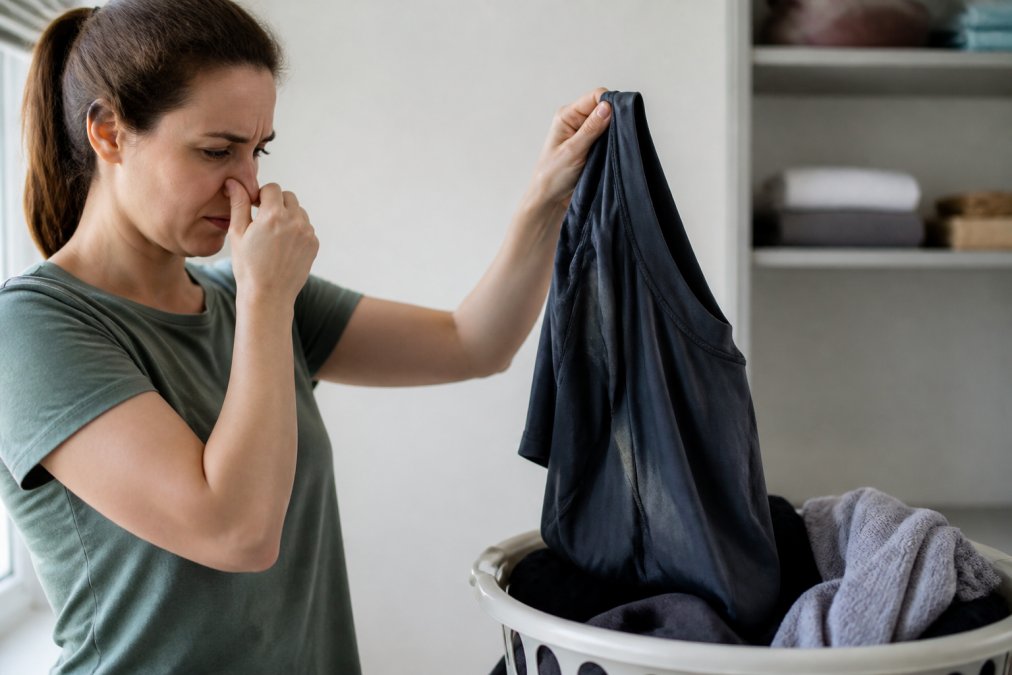
Gym clothes cling to odors differently than everyday garments because sweat soaks into synthetic fabrics and creates an environment where odor-causing bacteria thrive. Synthetic fibers like polyester and spandex wick moisture away from skin, but this same property traps sweat deep within the fabric structure rather than letting it evaporate completely. Bacteria colonize these damp fibers and break down sweat compounds into smelly byproducts.
Once bacteria establish themselves in the fabric, they're remarkably stubborn. A standard wash cycle doesn't always reach deep enough into synthetic blends to kill all the bacteria, which is why gym clothes can smell fresh after washing but develop that sour, mildew-like odor within a day or two of being stored (peer-reviewed research). The biofilm of bacteria simply reactivates when conditions become moist again.
The Role of Synthetic Fabrics in Mildew Smell
Polyester dominates the activewear market because it performs exceptionally well during exercise. But this moisture-wicking property is precisely why synthetic fabrics struggle with odor control. Unlike natural fibers such as cotton, which absorb moisture and allow it to evaporate relatively freely, polyester holds onto dampness in ways that encourage bacterial growth.
Spandex, commonly blended with polyester in gym clothes, compounds the problem. Spandex is hydrophobic and resists water, so when sweat penetrates the blend, it gets trapped between fibers rather than migrating outward. A typical gym shirt might be 88% polyester and 12% spandex, and that small percentage of spandex significantly impacts how the entire garment handles sweat and odor (peer-reviewed research).
The mildew smell itself isn't technically mildew in most cases. It's the byproduct of bacterial metabolism combined with the breakdown of sweat compounds in a damp environment. The odor molecules produced by these bacteria bond tightly to synthetic fibers, which is why vinegar and baking soda work better on synthetic blends than they do on cotton, they're specifically targeting the bacterial biofilm and odor molecules that cling to plastic-based fibers.
Step 1: Air Dry Before Washing
The single most important step happens before you even reach the washing machine. Air drying your sweaty gym clothes immediately after your workout prevents bacteria from multiplying unchecked. When you throw damp activewear into a gym bag or hamper, you're creating an anaerobic environment where certain bacteria actually thrive more efficiently.
Instead, hang your gym clothes in a well-ventilated area as soon as you finish exercising. A clothesline, drying rack, or shower rod works perfectly. Position clothes where a fan can reach them if possible. This step typically takes 2-4 hours depending on fabric thickness and humidity levels. Don't skip this step by tossing clothes into a closed hamper or leaving them in a damp gym bag, that's where the smell originates.
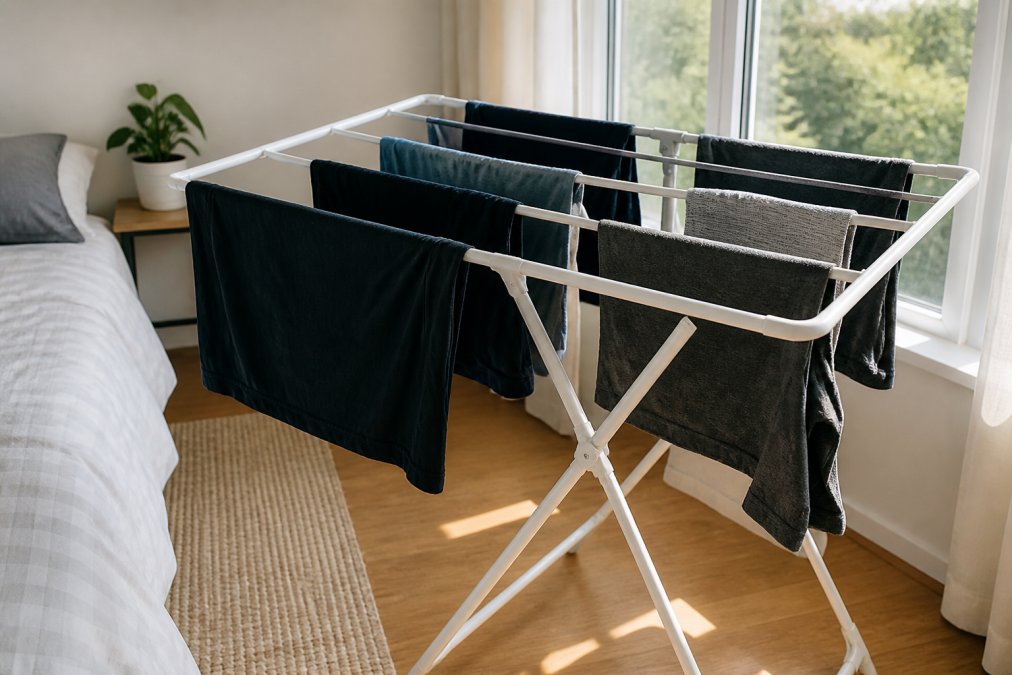
If bacteria have already established a strong colony in the fabric before washing, even the best detergent and vinegar combination will struggle to fully eliminate the smell. Air drying interrupts that bacterial multiplication cycle at the source.
Step 2: Pre-Soak With White Vinegar or Baking Soda
After air drying, a pre-soak targets the bacteria and odor molecules embedded in the fabric. Distilled white vinegar is the most effective option for synthetic blends because its acidity breaks down the biofilm that bacteria use to protect themselves.
Fill a bucket or sink with cool water and add one cup of distilled white vinegar per gallon of water. Submerge your gym clothes completely and let them soak for 30 minutes to one hour. Cool water prevents the vinegar from damaging the elastic in spandex. During this soak, the vinegar penetrates the synthetic fibers and disrupts the bacterial colony.
If you prefer to avoid the vinegar smell, baking soda offers an alternative. Mix half a cup of baking soda with a gallon of water and soak for the same duration. Baking soda neutralizes odor molecules rather than killing bacteria directly. Many people use both methods in sequence: vinegar first to eliminate bacteria, then baking soda to neutralize remaining odor compounds.
Don't use hot water for this pre-soak. Heat can set odors into synthetic fabrics and damage the elasticity of spandex. After soaking, move clothes directly to the washing machine with the vinegar or baking soda still on them.
Step 3: Choose the Best Laundry Detergent for Gym Clothes
Gym clothes benefit from enzyme-based cleaners specifically formulated to break down sweat and protein-based compounds. These enzymes target the organic material that bacteria feed on, making the fabric less hospitable to odor-causing microorganisms (peer-reviewed research).
Look for detergents labeled as enzyme-based or specifically designed for athletic wear. These formulations contain protease enzymes that digest the proteins in sweat and amylase enzymes that break down carbohydrates. Avoid fabric softeners entirely, they coat synthetic fibers and trap moisture, which makes odor problems worse.
Use the amount of detergent recommended on the bottle. Using more than necessary leaves residue on the fabric that can trap moisture and bacteria. For Miami residents dealing with hard water, consider using a water softener additive or switching to a detergent formulated for hard water conditions, as hard water minerals can interfere with enzyme activity.
Step 4: Wash With the Right Settings
Use cold water for all gym clothes. Hot water can damage the spandex and elastic, and it can actually set odors into synthetic fabrics. Select a gentle or delicate cycle rather than a heavy-duty wash. Aggressive agitation can damage the moisture-wicking properties of your activewear, and the pre-soak you already did most of the heavy lifting.
Use an extra rinse cycle if your washing machine offers this option. Residual detergent left in the fabric traps moisture and can harbor bacteria. Don't overload the washing machine, gym clothes need room to move freely so detergent can reach all fibers and bacteria can be flushed away.
After washing, move your clothes to the dryer immediately. Leaving wet gym clothes in the washing machine allows bacteria to reestablish themselves. This is one of the most common mistakes people make.
How to Store Sweaty Gym Clothes Properly
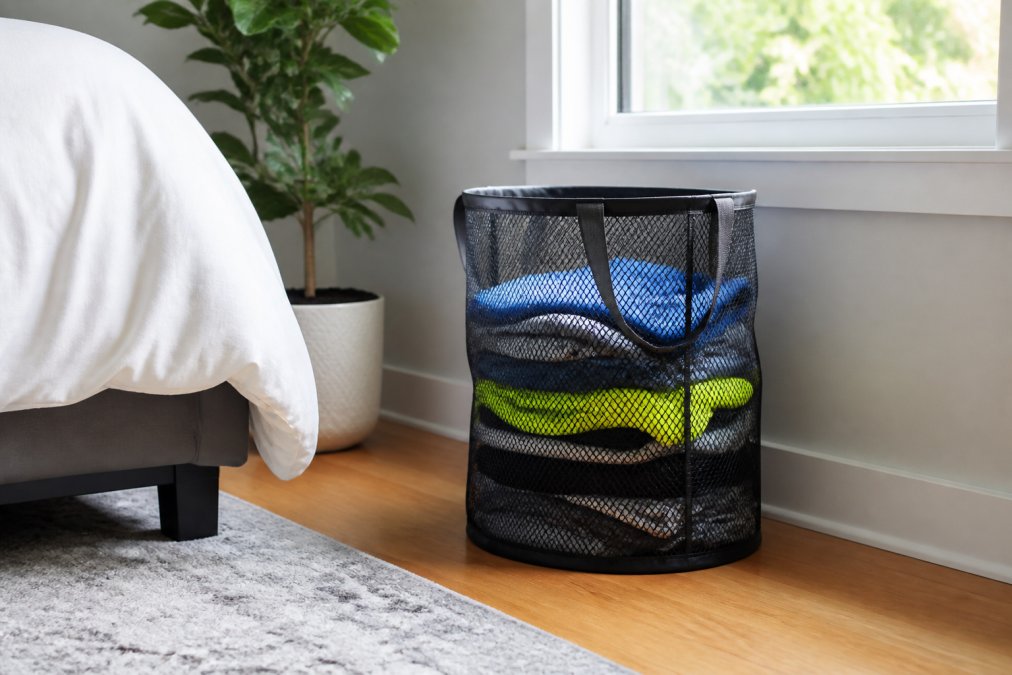
Even if you've washed your gym clothes perfectly, improper storage allows bacteria to reestablish themselves within days. Use a mesh laundry basket or breathable hamper rather than a closed plastic bin. Mesh allows air to circulate around clothes, which prevents the damp, anaerobic environment that bacteria love.
Never store gym clothes in a sealed plastic bag or a closed locker. Even if the clothes feel dry to the touch, residual moisture deep in the synthetic fibers can create an environment where bacteria thrive. After a few days in a sealed space, that fresh-from-the-wash smell disappears and the mildew odor returns.
Location matters too. Store your gym clothes in a cool, dry area with good air circulation. Avoid basements or bathrooms where humidity levels spike. Wash gym clothes regularly rather than letting them accumulate, at least twice a week prevents bacteria from reaching the population density needed to create persistent smell.
Removing Mildew Smell From Polyester and Synthetic Blends
If your gym clothes have already developed a strong mildew smell, a more aggressive approach is necessary. Start with a longer pre-soak, two to three hours instead of one hour, using the same vinegar solution. For heavily odorous clothes, increase the vinegar concentration to one and a half cups per gallon of water.
After the extended vinegar soak, wash using cold water and a gentle cycle, but add half a cup of baking soda directly to the wash drum along with your enzyme-based detergent. The combination of vinegar pre-treatment and baking soda in the wash cycle addresses both the bacterial population and the odor molecules they produce.
For polyester-dominant blends, this combination approach works reliably. If the mildew smell persists after these treatments, the bacterial colony may have become so established that standard home methods won't fully eliminate it. Professional laundry services use commercial-grade equipment and industrial-strength enzyme detergents with specialized washing protocols that residential machines can't replicate. LaundrPro provides professional laundry services in Miami that can handle persistent odor problems in activewear.
Never throw away gym clothes just because they smell bad. The smell is reversible with proper treatment.
Keeping gym clothes from developing that persistent mildew smell requires consistency across three areas: immediate post-workout handling, proper washing technique, and appropriate storage. Each step demands attention, and skipping even one undermines the entire process. Whether you choose to manage gym clothes yourself or use a professional service, the principle remains the same: prevent moisture accumulation, eliminate bacteria through proper pre-treatment and washing, and store clothes in conditions that prevent bacterial reestablishment. For residents throughout Miami's service areas, this approach delivers fresh-smelling activewear consistently.
Frequently Asked Questions
Q: How do I get rid of musty smell in gym clothes?
A: Musty smell in gym clothes comes from bacteria and mildew buildup in synthetic fibers. Pre-soak your clothes in white vinegar (1 cup per gallon of water) for 30 minutes before washing, then wash with enzyme-based detergent in cold water. Avoid fabric softener, which traps odors. Air dry completely before storing. For persistent odors, repeat the vinegar soak or use baking soda as an alternative pre-treatment.
Q: Why do my sweaty gym clothes smell like ammonia?
A: Ammonia smell occurs when sweat combines with bacteria in synthetic fabrics and moisture-wicking materials. The bacteria break down sweat compounds and release ammonia as a byproduct. This happens especially when clothes sit damp in a gym bag. Always air dry gym clothes immediately after wearing them, store them in a breathable mesh bag, and wash them within 24 hours using cold water and enzyme-based detergent to break down sweat proteins.
Q: Does vinegar remove mildew smell from synthetic fabrics?
A: Yes, white vinegar is highly effective for removing mildew smell from polyester, spandex, and synthetic blends. The acidity kills odor-causing bacteria and mildew without damaging the fabric. Soak gym clothes in a solution of 1 cup distilled white vinegar per gallon of cold water for 30 minutes, then wash normally. Vinegar also neutralizes biofilm buildup that traps moisture. For best results, air dry after washing rather than using a dryer, which can lock in remaining odors.
Q: What's the best way to store sweaty gym clothes until laundry day?
A: Store sweaty gym clothes in a breathable mesh laundry bag or basket, never in a sealed plastic container or gym bag. Place the bag in a well-ventilated area away from humidity. If possible, hang damp clothes on a drying rack for 2-4 hours before storing to reduce moisture. In humid climates, use a small fan to increase air circulation around the storage area. Wash clothes within 24 hours to prevent biofilm and mildew from developing. Never store damp clothes in a closed space, as this accelerates odor-causing bacteria growth.
This article was written using GrandRanker