 comparison
Dry Cleaning vs Laundry Service: Which Is Right for You?
Table of Contents
- Dry Cleaning vs Laundry Service: Key Differences Explained
- Comparison Table: Dry Cleaning vs Laundry Service at a Glance
- Understanding Garment Care Labels and When to Choose Each Method
- Delicate Fabric Care: Which Method Protects Your Investment?
- Cost of Dry Cleaning vs Laundry: Breaking Down the Economics
- Eco-Friendly Dry Cleaning: Modern Solvents and Sustainable Practices
- DIY vs Professional Cleaning: When to Handle It Yourself
- Stain Removal and Special Concerns: Dry Cleaning vs Laundry Service
- Making the Right Choice: A Decision Framework
- Frequently Asked Questions
Dry Cleaning vs Laundry Service: Which Is Right for You?
Last Updated: July 29, 2026
When deciding how to care for your clothes, understanding the distinction between dry cleaning vs laundry service can save you money, protect your wardrobe, and reclaim hours each week. Many people overpay for dry cleaning when standard laundry would work perfectly, while others ruin delicate garments by using the wrong method. The choice depends on your fabrics, budget, and time availability.
This guide breaks down the practical differences, shows you exactly when to use each service, and reveals the hidden costs most people miss.
Dry Cleaning vs Laundry Service: Key Differences Explained
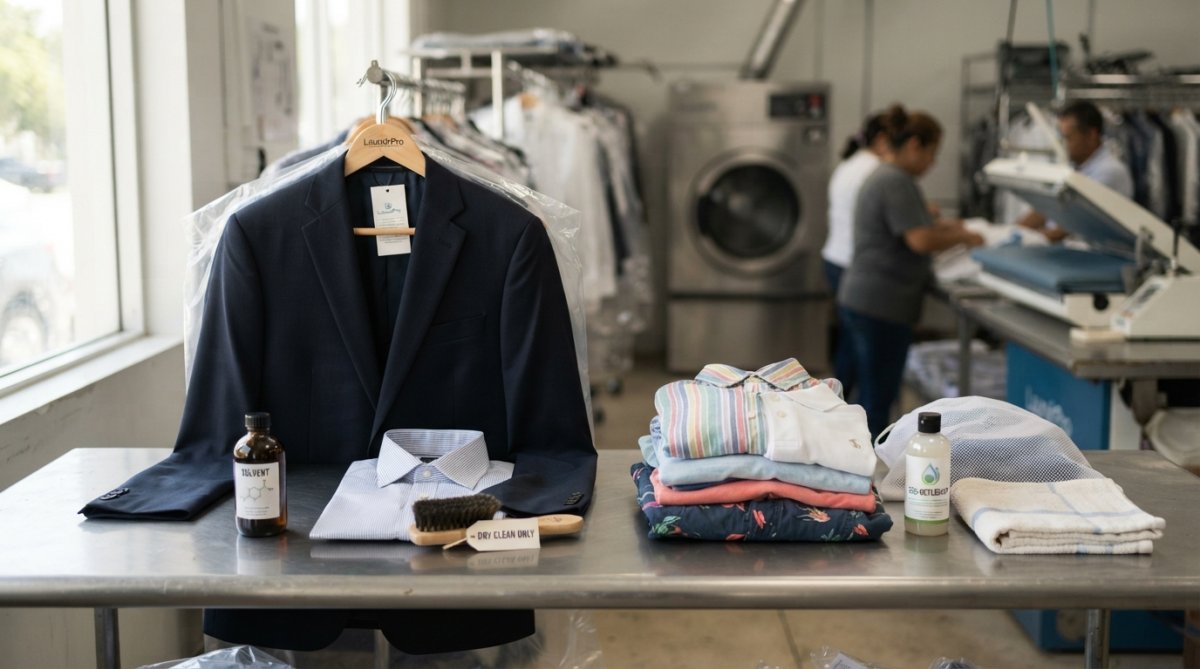
The fundamental distinction comes down to solvents and water. Dry cleaning uses chemical solvents to dissolve oils and stubborn stains that water-based detergents can't remove. Laundry service relies on water, detergent, and mechanical agitation. Some fabrics cannot tolerate water, silk, wool, and structured garments like blazers often shrink or lose shape when exposed to water and machine tumbling. Dry cleaning preserves structure and finish. Cotton, polyester, linen, and everyday clothing handle water-based cleaning beautifully and cost significantly less.
What Is Dry Cleaning?
Dry cleaning uses liquid solvents instead of water to remove stains and soil. The term "dry" is misleading; clothes are immersed in solvent, but because it evaporates quickly without causing shrinkage or structural damage, garments emerge pristine. The process involves pre-treating stains, immersing clothes in solvent, gentle agitation, solvent extraction, and pressing to restore shape and finish.
Traditional dry cleaning used perchloroethylene (perc), a powerful but environmentally concerning solvent. Many facilities now use hydrocarbon solvents or liquid silicone, which are gentler on fabrics and the environment. Turnaround typically takes 3-5 business days, with rush services available in 24-48 hours at premium cost.
What Is Laundry Service?
Professional laundry service cleans clothes using water, detergent, and mechanical action. Clothes are sorted by color and fabric type, washed at controlled temperatures, dried, and often folded or pressed. Some services offer specialized options like delicate-cycle washing for silk blouses. The advantage is cost and speed, wash-and-fold typically charges by the pound, making it economical for everyday clothing with 24-48 hour turnaround. Door-to-door services eliminate trips to the laundromat entirely.
The limitation is fabric compatibility. Delicate fabrics and items labeled "dry clean only" risk damage in standard laundry wash. Some professional services offer hand-washing or delicate-cycle options for certain silks and wools at premium pricing.
Comparison Table: Dry Cleaning vs Laundry Service at a Glance
| Factor | Dry Cleaning | Laundry Service |
|---|---|---|
| Solvents Used | Chemical solvents (perc, hydrocarbon, or silicone) | Water and detergent |
| Best For | Silk, wool, structured garments, delicate fabrics | Cotton, polyester, linen, everyday wear |
| Stain Removal | Excellent for oil-based and stubborn stains | Good for water-soluble stains |
| Typical Cost | $3-$10+ per item | $1.50-$3.50 per pound |
| Turnaround Time | 3-5 business days (24-48 hours rush available) | 24-48 hours standard |
| Shrinkage Risk | Minimal to none | Higher for delicate fabrics |
| Environmental Impact | Varies; modern solvents are gentler | Lower overall impact |
| Ideal For | Blazers, dresses, formal wear, specialty items | T-shirts, jeans, everyday clothes, sheets |
Understanding Garment Care Labels and When to Choose Each Method
Care labels indicate what the manufacturer tested, but they're not always absolute rules. A "dry clean only" label means the garment is safe in dry cleaning, but many such items can actually be hand-washed or professionally laundered using delicate cycles, the manufacturer simply didn't test those methods and avoids liability risk.
If a garment is labeled "dry clean only" and made from silk, wool, or delicate blend, dry cleaning is safest. These fabrics genuinely need solvent cleaning. But "dry clean only" on a cotton or polyester blazer might safely use professional laundry with delicate-cycle wash, though you accept slightly higher shrinkage risk.
A "machine wash" label is straightforward, that garment handles water-based washing. "Hand wash" labels suggest delicate treatment; professional laundry services offering hand-washing can handle these safely at higher cost than standard wash-and-fold.
Delicate Fabric Care: Which Method Protects Your Investment?
Your wardrobe's longevity depends on matching cleaning method to fabric type.
Fabrics That Require Dry Cleaning
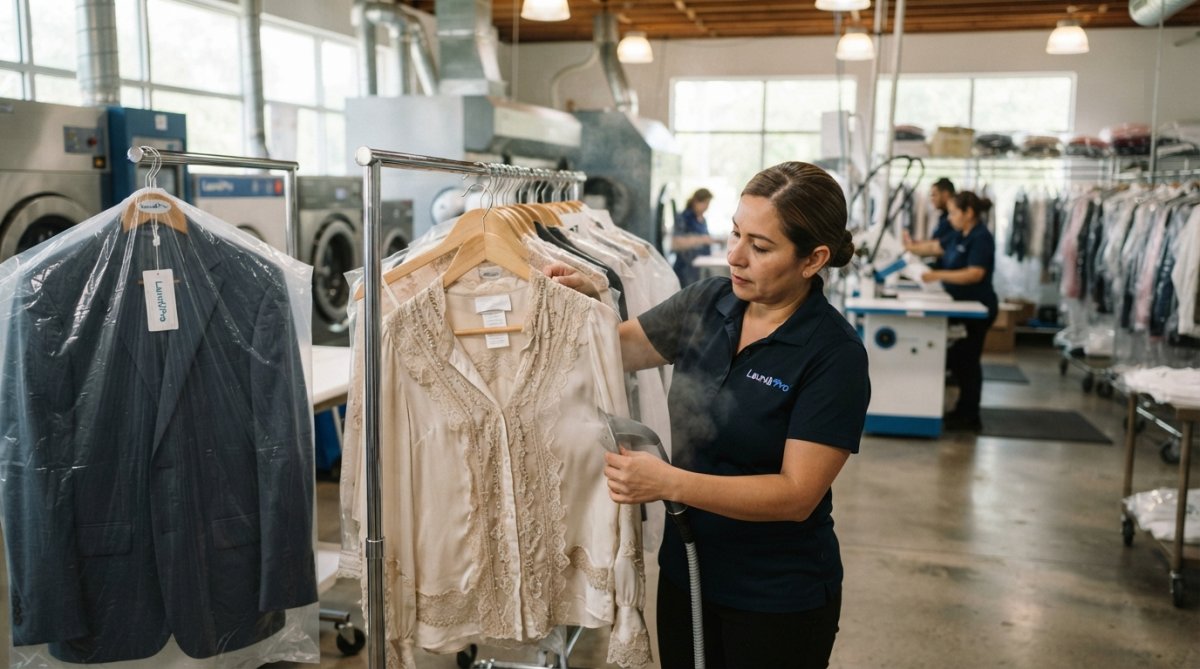
Silk is the primary candidate for dry cleaning. Silk fibers weaken when wet, and water-based washing causes luster loss and permanent water marks. Dry cleaning preserves silk's natural sheen and structure. Silk blends (30% silk or more) should be treated as silk and dry cleaned.
Wool and wool blends should be dry cleaned, especially for tailored pieces like blazers and trousers. Water causes wool to felt and shrink unpredictably. Structured garments, blazers, suit jackets, dress pants, formal dresses, should be dry cleaned regardless of fiber content. The pressing and finishing restores the crisp shape and drape these garments need.
Velvet, satin, and specialty fabrics like linen-silk or linen-wool blends require dry cleaning to prevent pilling, color fading, or texture damage.
Fabrics Suitable for Laundry Service
Cotton is ideal for laundry service. T-shirts, jeans, cotton sheets, and everyday clothing are designed for water-based washing. Cotton actually becomes softer over time.
Polyester and polyester blends are equally suited to laundry service. These synthetic fabrics resist shrinkage and hold color well. Most modern dress shirts contain polyester blends specifically for laundry-friendliness.
Linen can be laundered, though it wrinkles easily. If you accept wrinkles or have items pressed, laundry service works perfectly. Denim and heavy-duty fabrics like canvas and twill are ideal for laundry service and actually look better with the worn-in appearance washing creates.
Blended fabrics where the primary fiber is cotton or polyester are generally safe for laundry service unless labeled otherwise.
Cost of Dry Cleaning vs Laundry: Breaking Down the Economics
Dry cleaning typically costs $3-$10 per item depending on garment type and location. A dress shirt might be $4-$6, while a blazer could run $8-$12. A professional wardrobe with five blazers, three pairs of dress pants, and ten dress shirts dry cleaned every two weeks could cost $150-$250 monthly.
Professional laundry service charges by the pound, typically $1.50-$3.50 per pound for wash-and-fold. A 10-15 pound load might cost $15-$40. For twice-weekly laundry, that's $120-$320 monthly, covering all household laundry.
The real calculation depends on wardrobe composition. If 70% is everyday wear and 30% professional pieces, laundry service for everyday items combined with selective dry cleaning for structured pieces is far more economical than dry cleaning everything. Many professionals cut cleaning costs in half using this approach.
Eco-Friendly Dry Cleaning: Modern Solvents and Sustainable Practices
Traditional perchloroethylene (perc) is a known carcinogen and groundwater contaminant. Modern facilities have adopted gentler alternatives. Hydrocarbon solvents are less toxic than perc with lower environmental persistence. Liquid silicone (GreenEarth) biodegrades readily with no hazardous waste. Some facilities use wet cleaning, which uses water with specialized detergents and equipment for delicate fabrics.
When choosing a dry cleaner, ask about their solvent. Facilities using hydrocarbon or liquid silicone are making conscious environmental choices with minimal cost difference.
Professional laundry services also have environmental considerations. Standard laundry uses less water than home washing at scale, and commercial detergents are often more biodegradable. However, pickup and delivery transportation adds carbon footprint. For sustainability, combine methods: use laundry service for bulk items and dry cleaning only when necessary.
DIY vs Professional Cleaning: When to Handle It Yourself
Hand-washing at home works for delicate fabrics like silk blouses, cashmere sweaters, and wool items. Use cool water and gentle detergent. This is free and effective for light soiling but doesn't remove stubborn stains or restore crisp finishes.
Machine washing at home is appropriate for everyday cotton, polyester, and linen items. The limitation is time, weekly laundry takes 3-4 hours. For busy professionals earning $50+ per hour, professional laundry service at $120-$160 weekly becomes economical.
Never DIY structured garments, delicate fabrics, or high-value items. A single mistake, washing silk in hot water or machine-drying cashmere, destroys the garment permanently.
Stain Removal and Special Concerns: Dry Cleaning vs Laundry Service
Oil-based stains (grease, makeup, salad dressing) are nearly impossible to remove with water-based washing. Dry cleaning solvents dissolve these completely. If you spill oil on silk, dry cleaning is your only realistic option.
Water-soluble stains (wine, coffee, juice, sweat) respond well to both methods. Professional laundry services with proper stain-treatment protocols remove these effectively.
Protein-based stains (blood, egg, dairy) require cool water and specific enzymes. Standard laundry service handles these well.
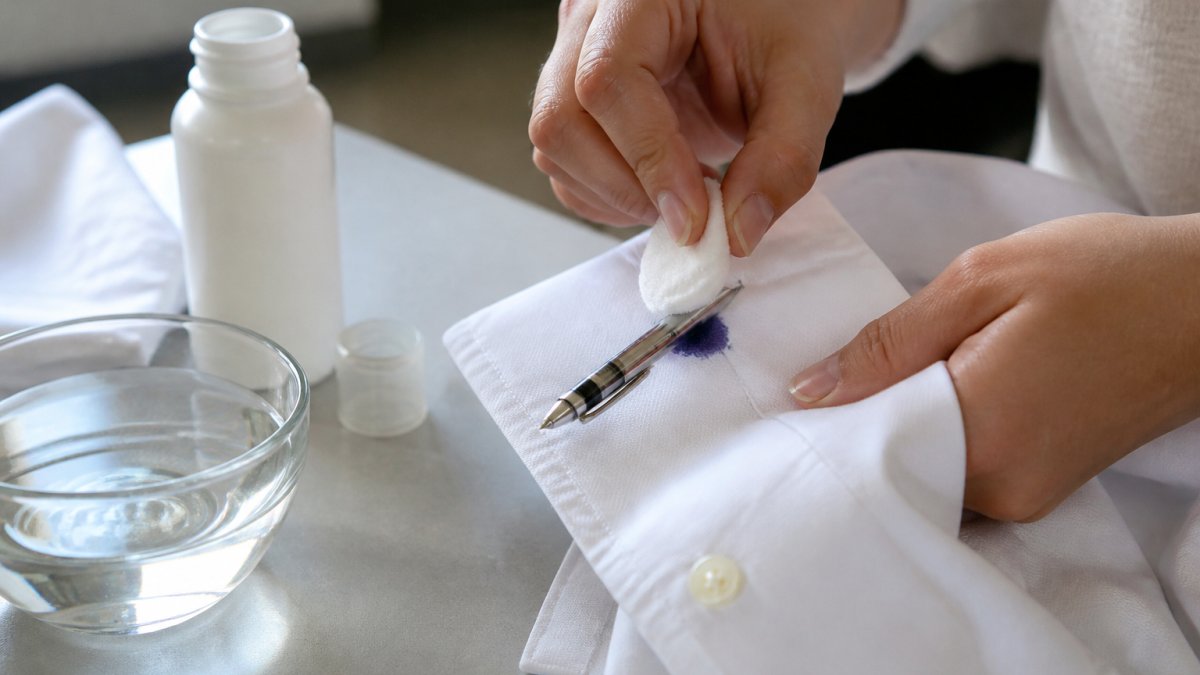
Combination stains (like salad dressing) often require both methods. Pre-treat, launder in cool water, and if stain persists, dry clean. Never machine-dry stained items; heat sets stains permanently.
Address stains immediately and always before cleaning. Tell your service about stains so they can pre-treat appropriately.
Making the Right Choice: A Decision Framework
The decision depends on three factors: fabric type, garment value, and time availability.
Choose dry cleaning for:
- Silk, wool, or delicate blends
- Structured garments (blazers, suits, formal dresses)
- Anything labeled "dry clean only"
- High-value items where replacement cost exceeds dry cleaning cost
- Specialty items like wedding dresses or leather jackets
Choose laundry service for:
- Cotton, polyester, linen, or denim
- Everyday wear and casual clothing
- Household textiles (sheets, towels, bedding)
- Frequently worn items laundered regularly
- When you need fast turnaround and cost efficiency
- When you want to reclaim time spent on home laundry
Hybrid approach (most cost-effective): Use professional laundry service for everyday items and selective dry cleaning for professional pieces. This balances cost, convenience, and garment protection. Use laundry service for casual wear and household items, but dry clean blazers, dress pants, and formal dresses.
Professional services like LaundrPro handle both methods with flat-rate pricing and no hidden fees, so you can confidently use the service right for each garment type. Whether you need spotless results on a premium blazer or fresh, folded everyday clothes delivered to your door, professional cleaning saves time and money while protecting your wardrobe investment. Place Your Order with LaundrPro today and reclaim the hours you're currently spending on laundry.
Frequently Asked Questions
What is the main difference between dry cleaning and laundry service?
Dry cleaning uses liquid solvents (typically perchloroethylene or water-based alternatives) to remove stains without submerging garments in water, making it ideal for structured garments and delicate fabrics. Laundry service uses water, detergent, and a washing machine, best suited for everyday cotton, polyester, and linen items. The choice depends on your fabric type and care label instructions, 'dry clean only' labels require professional dry cleaning, while most everyday wear can be handled by laundry service.
When should I choose dry cleaning over laundry service for my clothes?
Choose dry cleaning for garments with 'dry clean only' labels, structured items like blazers and suits, delicate fabrics such as silk and wool, and clothing with oily stains or complex embellishments. Dry cleaning prevents shrinkage, maintains fabric integrity, and preserves the shape of tailored pieces. Laundry service works better for everyday items like cotton t-shirts, jeans, and bed linens that can withstand water-based washing and machine drying.
How do I decode garment care labels to know which cleaning method is right?
Care labels use symbols and text to indicate proper cleaning methods. A circle symbol means dry cleaning required; a tub symbol indicates water washing is safe. 'Dry clean only' labels require professional dry cleaning with solvents. 'Hand wash' or 'delicate cycle' suggest laundry service or home washing with caution. If unsure, professional cleaning is safer for expensive or delicate items. Always check labels before choosing between dry cleaning and laundry service to avoid damaging your garments.
Is dry cleaning more expensive than laundry service?
Yes, dry cleaning typically costs more per garment than laundry service due to the specialized solvents, equipment, and expertise required. Dry cleaning pricing depends on garment type and complexity, while laundry service is often charged per pound or per load. For cost-benefit analysis, consider the garment's value and lifespan, investing in dry cleaning for a $300 blazer protects your investment better than risking damage with cheaper laundry service. Budget-conscious customers may use laundry service for everyday items and reserve dry cleaning for special pieces.
Are eco-friendly dry cleaning options as effective as traditional perchloroethylene solvents?
Modern eco-friendly dry cleaning uses water-based solvents and liquid CO₂ systems that are effective alternatives to perchloroethylene. These sustainable methods reduce environmental impact while still providing professional cleaning results for delicate fabrics and structured garments. Effectiveness depends on the specific solvent and the cleaner's expertise. If environmental concerns matter to you, ask your professional cleaning service about their eco-friendly options, many now offer these sustainable practices without compromising garment care quality.
This article was written using GrandRanker