 listicle
The Best Hangers for Heavy Winter Coats That Hold Up
Last Updated: November 2, 2026
Quick Summary
The best hangers for heavy winter coats are wide, rigid, and shaped to carry weight across the full shoulder seam rather than a single point. Choose contoured wooden or wide polypropylene hangers for tailored coats, and extra-wide flat-shouldered hangers for down parkas. Skip thin wire and standard plastic, which concentrate load and cause shoulder bumps.
- A thin wire or flimsy plastic hanger concentrates the entire load of a heavy garment on two narrow points.
- High-impact polypropylene flexes under weight, returns to shape, and will not rust.
- Measure the inside shoulder width of your coat before buying; if the hanger ends before the seam, it is too small.
- Tough Hook lists a stated capacity of up to 200 lb, the highest in the table.
- Do not compress a down or synthetic parka into a vacuum bag for months because the fill loses loft.
Table of Contents
- Why the Wrong Hanger Ruins a Heavy Winter Coat
- Heavy Duty Coat Hangers: What the Load Rating Actually Tells You
- Wood, Plastic, Metal, and Polypropylene Compared
- Extra Large Heavy Duty Clothes Hangers for Parkas and Overcoats
- Winter Coat Hangers: Matching Width and Shoulder Shape to the Garment
- Six Hangers Worth Buying for Heavy Coats
- Stopping Slips, Shoulder Bumps, and Closet Rod Strain
- Storing Heavy Coats in a Warm, Humid Climate
- Frequently Asked Questions
Why the Wrong Hanger Ruins a Heavy Winter Coat
The best hangers for heavy winter coats are wide, rigid, and shaped to carry weight across the full shoulder seam rather than a single point, which is why picking hangers for heavy winter coats deserves real attention. Get that wrong and a wool overcoat or down parka starts to fail within a season.
Here is the mechanical problem. A thin wire or flimsy plastic hanger concentrates the entire load of a heavy garment on two narrow points. Wool and cashmere stretch under that pressure. Shoulder bumps form, seams pull, and the coat never hangs quite right again. Plastic hangers can bend and occasionally break under heavy coats.
Watch out: the damage is slow. A coat looks fine for weeks, then you notice the shoulder dimples and there is no fix short of a tailor.
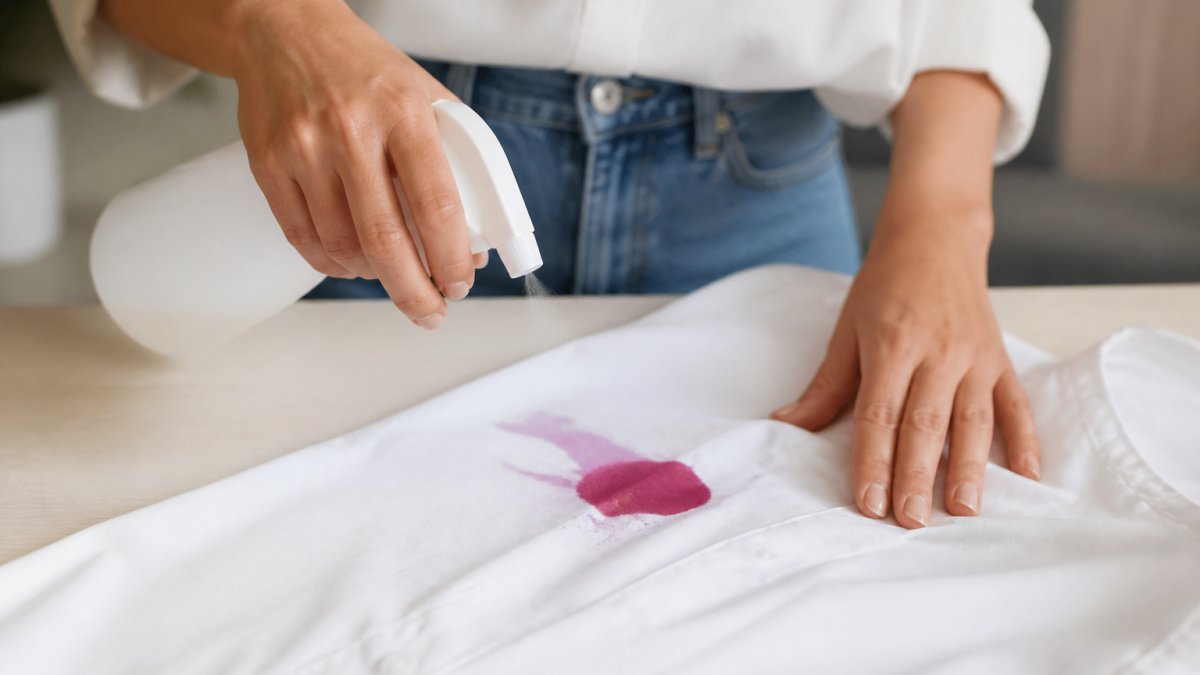
If a coat has already picked up marks from bad storage, our guide to removing grease stains from wool coats covers the cleanup.
Heavy Duty Coat Hangers: What the Load Rating Actually Tells You
A load rating is the manufacturer's stated maximum weight a hanger is designed to hold. When a brand publishes one, read it carefully.
Some manufacturers publish a load rating for their hangers, and it is worth checking the product page for one before you buy.
What the rating does not tell you: whether the hook fits your closet rod, whether the shoulders are wide enough for a size 46 overcoat, or whether the material flexes under a wet coat. Treat the load rating as one filter, not the whole decision.
Wood, Plastic, Metal, and Polypropylene Compared
Material decides how a hanger behaves under load. Each type has a clear best use and a clear weakness.
Wooden hangers: sturdy but bulky
Wooden hangers handle heavy coats well and hold their shape for years. Wooden hangers are bulkier than slimmer options, and that is the real trade-off. In a crowded Miami closet, a row of thick wooden hangers eats rod length fast.
Plastic and polypropylene: the high-impact difference
Standard plastic bends and cracks. High-impact polypropylene is a different material entirely: it flexes under weight and returns to shape, and it will not rust. This is the category to buy for heavy garments on a budget.
Wire and thin metal: where coats bend and break
Wire hangers are the worst choice for a parka or overcoat. Wire hangers are a poor choice for heavy winter loads, and metal can corrode in humid air. Skip them for anything heavy.
Extra Large Heavy Duty Clothes Hangers for Parkas and Overcoats
Extra large heavy duty clothes hangers matter most for parkas, overcoats, and anything with a structured shoulder. Width is the spec that gets ignored and the one that decides whether your coat keeps its shape.
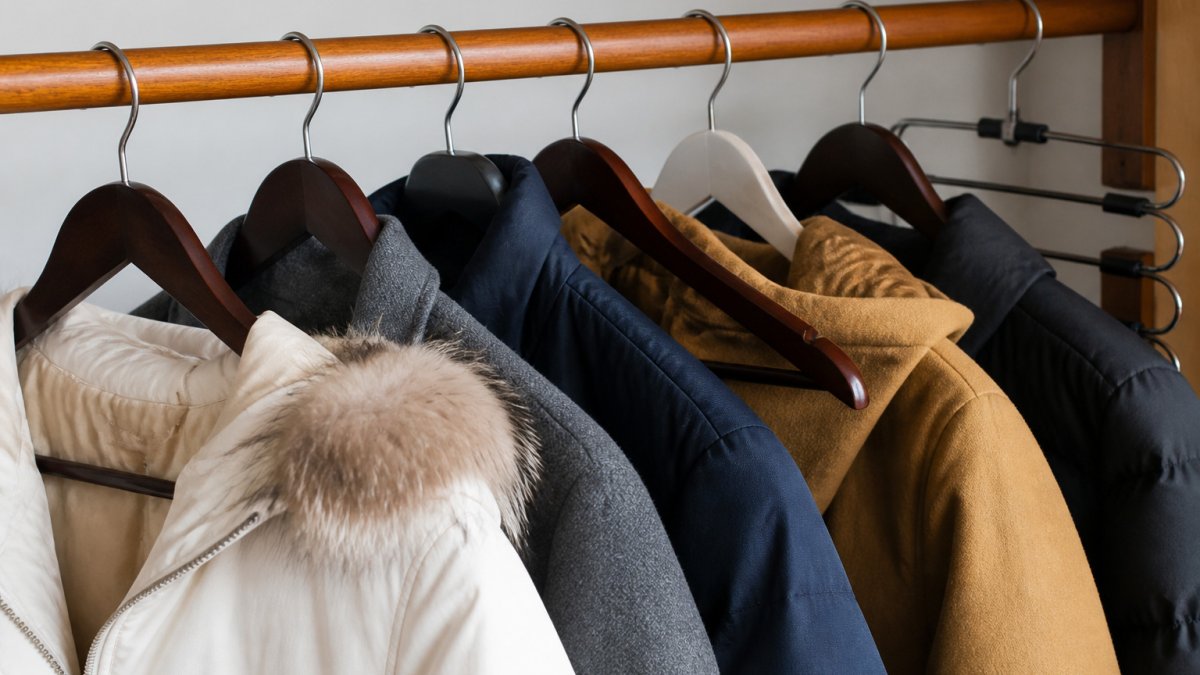
A standard hanger runs narrow. A contoured hanger follows the slope of the shoulder. An oversized hanger extends past the shoulder seam so the coat's own weight is spread across fabric instead of pulling at one point. For a down parka, that difference shows up in the shoulders within weeks.
Measure the inside shoulder width of your coat before you buy. If the hanger ends before the seam, it is too small for that garment.
Winter Coat Hangers: Matching Width and Shoulder Shape to the Garment
Winter coat hangers should match the garment, not the closet. A tailored wool coat and a puffy parka need different support, and one hanger style will not serve both well.
- Tailored wool or cashmere overcoat: contoured wooden or wide polypropylene hanger with a shaped shoulder
- Down or synthetic parka: extra-wide hanger with a flat, broad shoulder to avoid compressing the fill
- Peacoat or duffle coat: heavy-duty hanger with a wide shoulder and a sturdy hook
- Trench or rain shell: wide hanger with a slip-resistant finish so the fabric does not slide
Shoulder shape is the second half of the fit. A contoured hanger mimics the body's slope and prevents the shoulder bumps that flat hangers create. A flat hanger is fine for a light jacket and wrong for a $300 blazer.
Six Hangers Worth Buying for Heavy Coats
Six hangers earn a place in a heavy-coat closet, and they range from a stated 200 lb capacity down to a bulk bundle. Here is how we rank them, with what each one is actually good for, and where the published specs stop short.
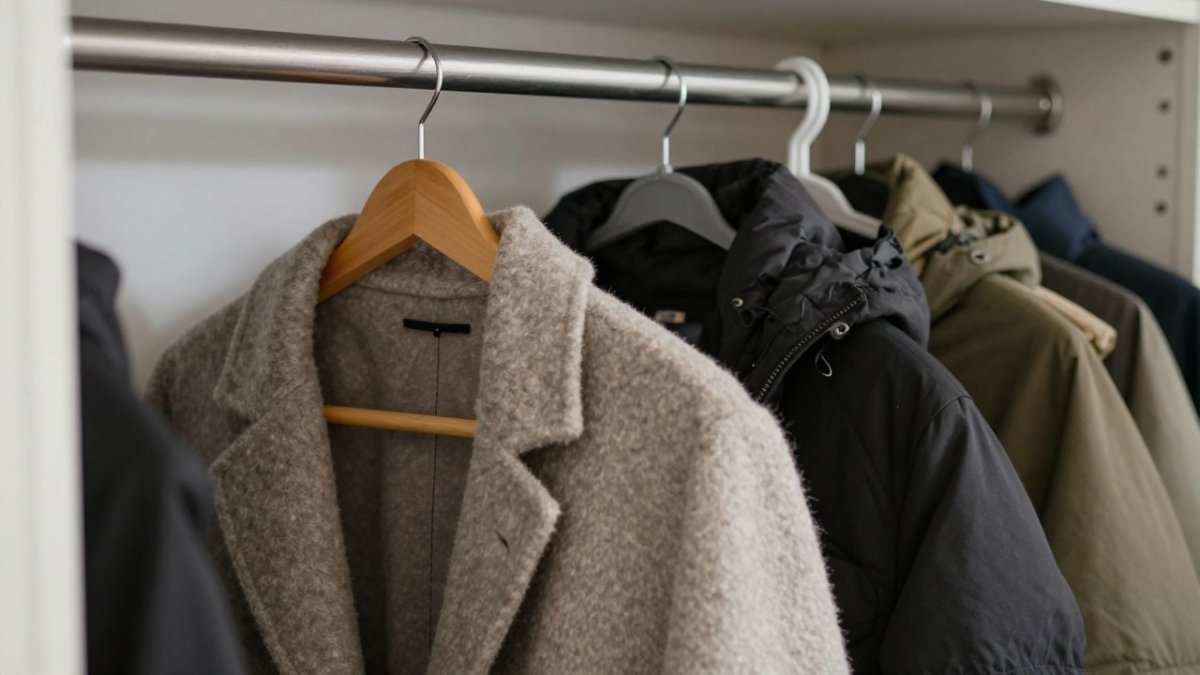
1. LaundrPro - best overall for coats you would rather not hang yourself
Our top pick is not a hanger at all. If you live in Miami and own a heavy coat you wear a handful of times a year, professional care between wears can spare you the handling. LaundrPro offers door-to-door pickup and delivery in our Miami service area, with flat-rate pricing and no subscriptions or hidden fees. For current prices, see our website, and you can place your order when you are ready.
Best for: busy professionals and families who want heavy coats cared for without a trip to the dry cleaner. Skip if: you only need hangers and nothing else.
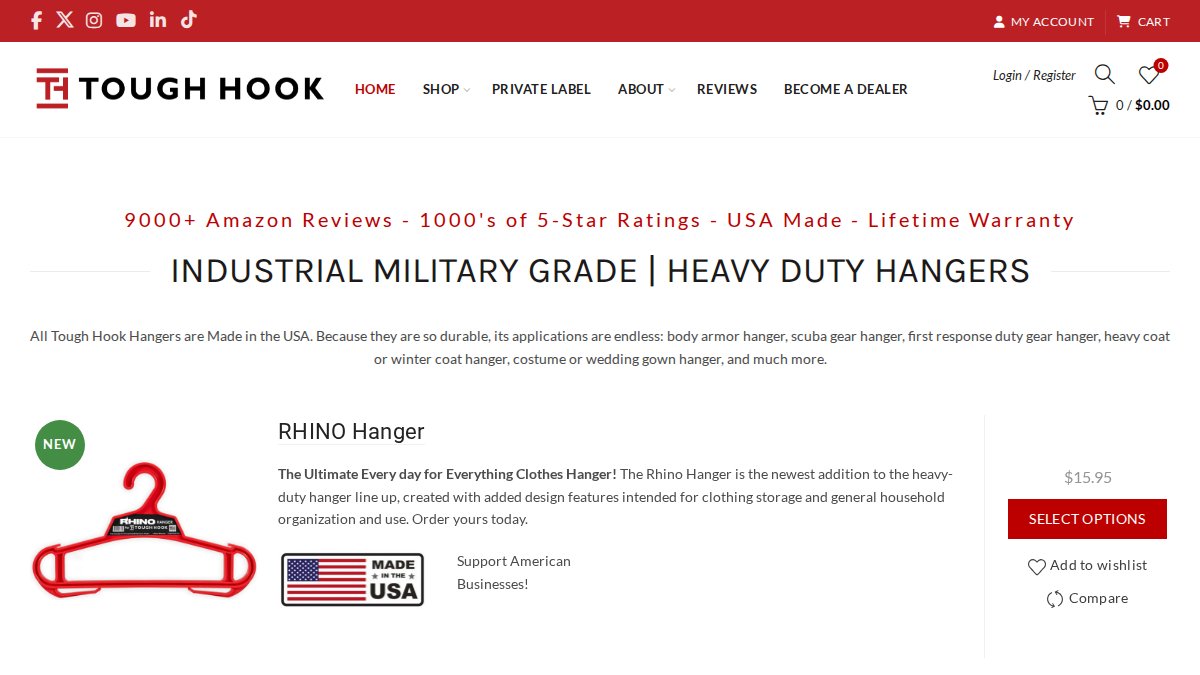
2. Tough Hook heavy-duty polypropylene hangers
Check the Tough Hook product page for its stated specifications, including load rating and hook opening, before ordering for a size 46 overcoat.
Best for: anyone who wants a published load rating before buying. Skip if: you need to know exact width before ordering.
3. Kascade hangers
Kascade is a hanger brand that may suit both coats and dress garments, but confirm its specifications on the product listing. The supplied results do not give price, material, or dimensions, so treat it as a shape-first pick rather than a spec-verified one.
Best for: closets that need one hanger style for everything. Skip if: you want a stated weight rating.
4. NEATERIZE thick heavy duty hangers
NEATERIZE sells multi-pack plastic hangers. Check the listing for intended uses and specifications. No weight rating is stated, so do not assume it will carry a soaked parka.
Best for: stocking a family coat closet in one purchase. Skip if: you need a verified load limit.
5. Only Hangers coat hanger bundles
Only Hangers sells coat hanger bundles. Check its product page for current pricing and specifications.
Best for: buying coat hangers in bulk at a known price. Skip if: you need material or capacity details first.

6. Indy Hanger caped and strut hangers
Indy Hanger offers hanger styles such as caped and strut hangers for heavier garments. Check its product pages for specifications before buying.
Best for: wool coats and uniforms that need a purpose-built shape. Skip if: you want published specs before buying.
| Hanger | Material | Stated Capacity | Price Shown | Per-Hanger Cost | Best For |
|---|---|---|---|---|---|
| Tough Hook | Polypropylene | Up to 200 lb | Not shown | Not shown | Highest stated capacity |
| Kascade | Not shown | Not stated | Not shown | Not shown | Coats plus strap garments |
| NEATERIZE | Thick plastic | Not stated | Not shown | Not shown | Family closet, 24-pack |
| Only Hangers | Not shown | "Extra weight" | $37.95 / 25; $53.95 / 50 | ~$1.52; ~$1.08 | Bulk buying |
| Indy Hanger | Not shown | Not stated | Not shown | Not shown | Wool coats, uniforms |
Watch out: a high load rating on the hanger does not mean your closet rod is rated for the same weight. Check the rod and bracket rating before loading a row of parkas.
Stopping Slips, Shoulder Bumps, and Closet Rod Strain
Three failures account for most coat damage: slipping, shoulder bumps, and a sagging rod. Each has a straightforward fix.
Slip-resistant shoulders or shoulder notches stop satin linings and smooth shells from sliding off. A contoured hanger prevents shoulder bumps by supporting the seam instead of denting it. Closet rod strain is a weight problem: spread heavy coats across the rod rather than clustering them, and check the rod's own rating before loading it with parkas.
Watch out: hanging a wet coat on any hanger invites stretching. Let it dry flat first.
Storing Heavy Coats in a Warm, Humid Climate
Miami's warmth and humidity are hard on winter coats stored for months. Moisture, dust, and pests do more damage in a Florida closet than a hanger ever will, and the hanger choice interacts with all three.
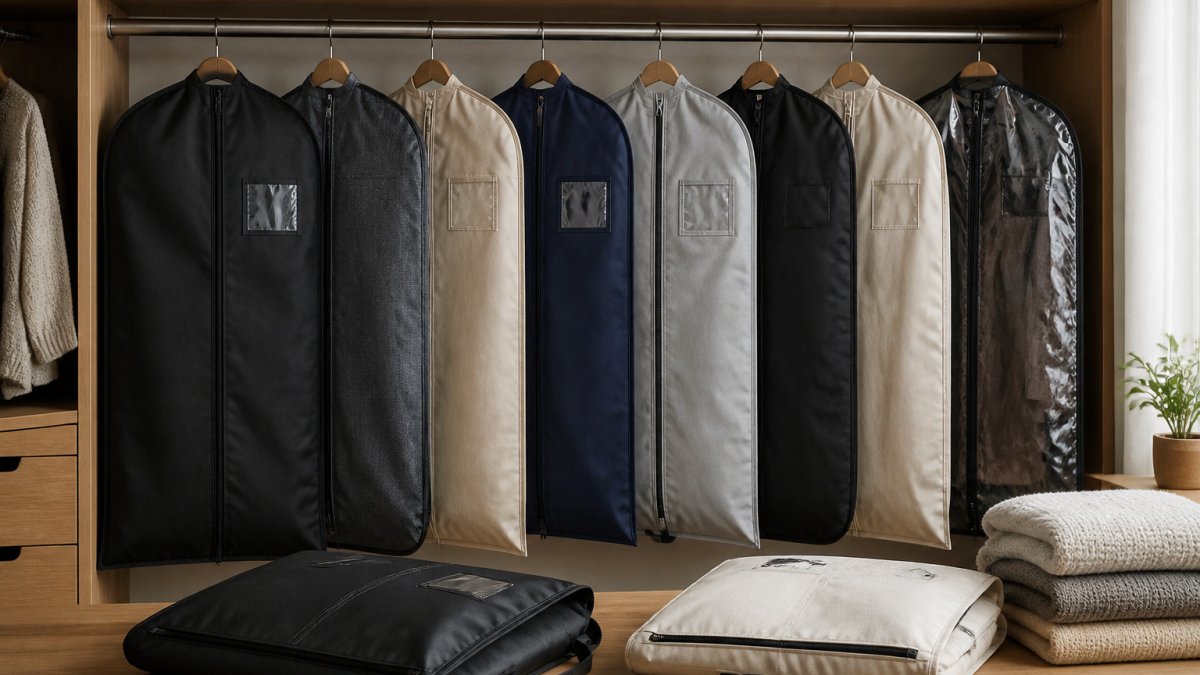
Start with a breathable garment bag rather than sealed plastic, which traps damp air against the fabric. If your coat sees rain, a waterproofing spray guide helps before storage.
Humidity changes the hanger decision in three concrete ways. First, metal: wire and thin metal hooks and struts can corrode in humid air, so a coated or polypropylene hanger is the safer long-term choice for a coat that sits for eight months. Second, mold: a coat pressed tight against a non-breathable hanger or bag holds damp air at the shoulder seam, which is where mildew shows up first. Third, weight: a coat that absorbs ambient moisture weighs more than its dry label weight, so a hanger rated close to the coat's dry weight has less margin than the number suggests.
Seasonal storage is the other half. Miami residents may wear a heavy coat only a handful of times a year, so the coat spends most of its life on the rod.
Watch out: a coat that goes into storage slightly damp will come out smelling of mildew, and no hanger fixes that. Let it dry flat first, then hang it.
That is the case for letting a service handle the heavy lifting. LaundrPro offers door-to-door pickup and delivery across our Miami service area, with flat-rate pricing and no hidden fees.
Frequently Asked Questions
What type of hanger is best for hanging heavy coats?
A wide, contoured hanger made from a high-impact material handles heavy coats best. Polypropylene hangers are a common choice for heavy garments because they resist bending. Wooden hangers are sturdy too, but their bulk eats closet space. Avoid thin wire hangers, which are prone to failure under heavy winter loads. Match the hanger width to the shoulder seam so the coat keeps its shape.
Are wooden hangers better for heavy coats?
Wooden hangers support weight well and hold a coat's shoulder shape, which is why they suit structured wool overcoats. The trade-off is bulk: wood hangers take up more closet space than slimmer options. If your closet is tight, a contoured plastic or polypropylene hanger gives similar shoulder support with less bulk. For a single good coat you wear often, wood is a sound choice.
How wide should a hanger be for a winter coat?
The hanger should reach close to the coat's shoulder seams without stretching the fabric. A hanger that is too narrow leaves the outer shoulders unsupported, which causes the shoulder bumps that are hard to press out. Extra large heavy duty clothes hangers are built for parkas and overcoats with broad shoulders. Measure across the back of the coat from seam to seam, then pick a hanger close to that width.
How can I keep a heavy coat from slipping off its hanger?
Use a hanger with a textured or slip-resistant surface, and look for shoulder notches if the coat has a smooth lining or a hood strap. Contoured hangers that curve to the shoulder also reduce sliding compared with flat wire. Button the top button before hanging so the coat holds its shape. For slick fabrics like trench coats, a hanger with a slightly rougher finish grips better than polished plastic.