 ultimate-guide
Professional Garment Care for Expensive Clothes
Table of Contents
- Why Professional Garment Care Matters for Expensive Clothes
- How to Remove Stains from Clothes Without Damaging Fabric
- The Best Detergent for Luxury Fabrics: What to Look For
- Dry Cleaning vs Wet Cleaning for Designer Clothes
- Miami Humidity: Protecting Your Wardrobe from Moisture and Pests
- Sustainable Garment Care and Preserving Resale Value
- Conclusion
- Frequently Asked Questions
Last Updated: September 30, 2026
Why Professional Garment Care Matters for Expensive Clothes
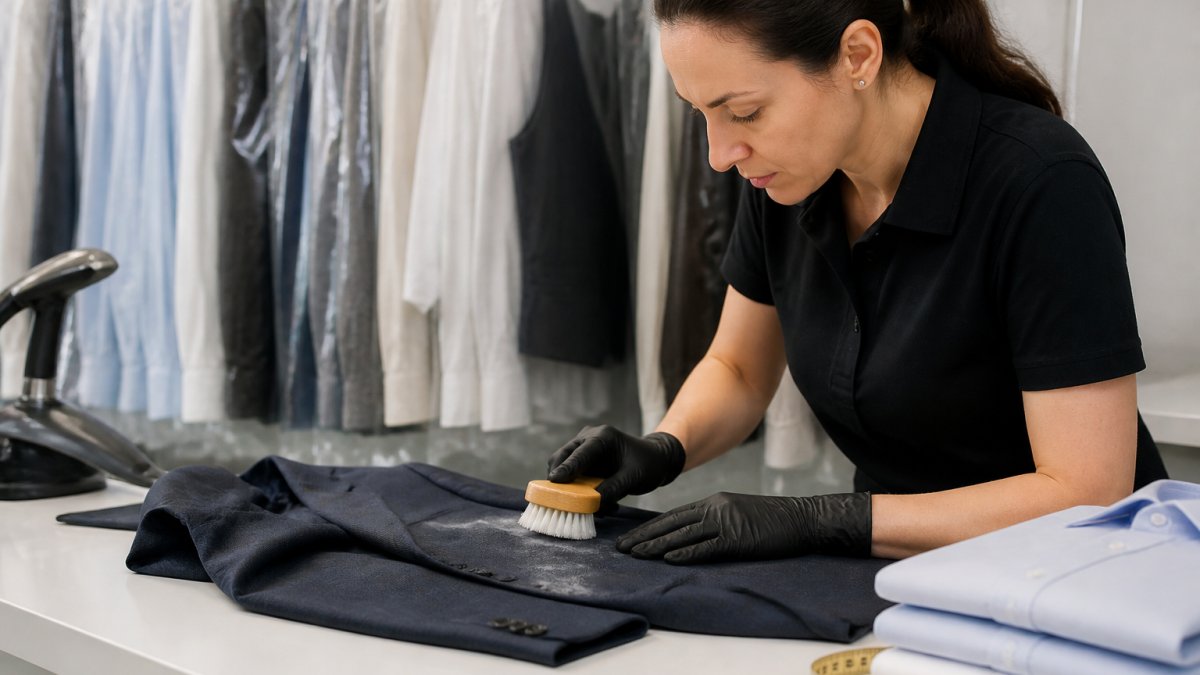
Professional garment care for expensive clothes is the practice of using specialized cleaning methods, correct solvents, and controlled drying and pressing to protect a garment's fiber structure, color, and construction over its lifetime. At LaundrPro, we understand the difference this makes: a blazer treated well can maintain its appearance for years, while the same blazer washed carelessly can lose its shape.

How to Remove Stains from Clothes Without Damaging Fabric
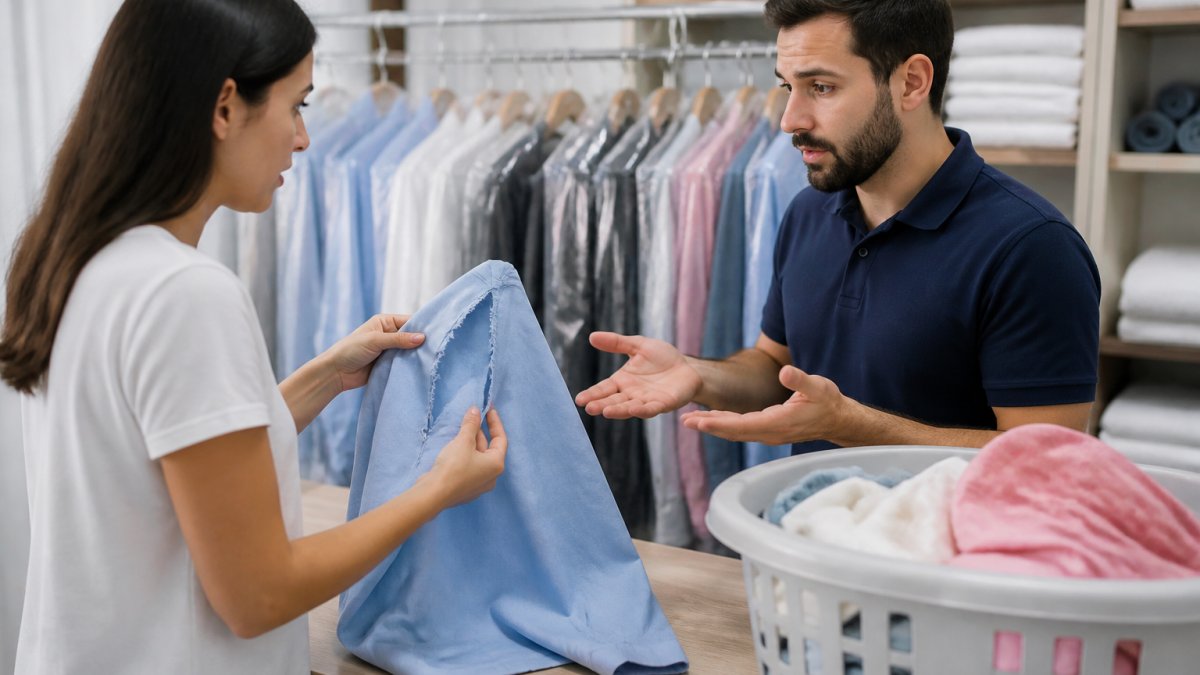
Blot, do not rub, and treat the stain while it is fresh: that is the short answer for how to remove stains from clothes without wrecking the fabric. Rubbing pushes pigment deeper into the weave and roughens the surface of silk and wool, which is why so many home stain fixes leave a permanent dull patch.
The Miami Stain Set: Sweat, Sunscreen, Salt, and Mildew
Generic stain guides are written for temperate climates. In Miami, four stain categories dominate and each one behaves differently on luxury fabric:
- Sunscreen and self-tanner. These are oil-and-pigment emulsions. They bond to silk and linen within hours in the heat and leave an orange cast that oxidizes over days. Blot immediately, do not rub, and get the garment to a professional within 24 hours. Home treatments with dish soap can spread the pigment into the weave.
- Sweat and deodorant. Aluminum-based antiperspirants create a stiff yellow residue at the underarm that is not a stain in the traditional sense, it is a mineral deposit bonded to the fiber. It requires an acidic pre-treatment, not an alkaline one, which is why home attempts with baking soda often make it worse.
- Salt air and saltwater. Salt crystals abrade fine fibers and pull moisture into the fabric, accelerating mildew. Rinse saltwater-exposed swimwear and resort wear in cool fresh water before it dries, then have structured pieces professionally cleaned.
- Mildew and foxing. Small dark speckles on stored linen and cotton are mildew, not dirt. They are living organisms feeding on residual starch and body oils. Home washing spreads the spores. This is a professional-only situation, and it needs to be handled before the garment goes back into the closet.
| Stain Type | First Move | Avoid | Best Handled By |
|---|---|---|---|
| Grease or oil | Blot, apply cornstarch | Hot water | Home, then pro if it lingers |
| Wine or coffee | Blot, cool water flush | Rubbing | Professional |
| Blood or dairy | Cold water rinse | Heat of any kind | Professional |
| Ink | Do not touch it | Alcohol on silk | Professional only |
| Sunscreen or self-tanner | Blot, keep cool, transport fast | Dish soap, heat | Professional within 24 hours |
| Sweat or deodorant buildup | Keep dry until cleaned | Baking soda, vinegar | Professional |
| Mildew or foxing | Isolate the garment | Washing, sunlight | Professional only |
| Unknown or old | Keep it dry | Any home treatment | Professional only |
The 24-Hour Rule in a Humid Climate
Stain chemistry runs faster in Miami than in most of the country. A wine spill on a silk blouse that would still be treatable after two days in a dry climate can oxidize and set overnight here. The practical rule: any stain on a garment worth more than a few hundred dollars should be in a professional's hands within 24 hours, and it should stay dry and cool in the meantime. Do not "wait and see."
The Best Detergent for Luxury Fabrics: What to Look For
The best detergent for luxury fabrics is a pH-neutral, enzyme-free formula with no optical brighteners, bleach, or added fragrance. Enzymes that break down protein stains will also attack silk and wool, which are themselves protein fibers. That is the entire reason a standard supermarket detergent can quietly destroy a cashmere sweater over a few washes.
Why Enzyme Damage Is Permanent
Protease enzymes are designed to break down protein-based stains like grass, blood, and food. Silk, wool, cashmere, and mohair are protein fibers. The enzyme cannot tell the difference. It cleaves the peptide bonds in the fiber itself, and the damage does not show up immediately, it shows up as a gradual loss of luster, a slight thinning, and eventually a hole or a tear at a stress point.
What to Actually Look For on a Label
- pH neutral. Roughly 7. Wool and silk prefer slightly acidic conditions (around pH 5-6), but a neutral wash is far safer than an alkaline one. Alkaline detergents swell the fiber and cause felting and shrinkage.
- Enzyme-free. Check the ingredient list for words ending in "-ase": protease, amylase, lipase, cellulase. Any of them is a problem for protein fibers.
- No optical brighteners. These are fluorescent dyes that make whites look whiter. On silk and wool they cause yellowing over time and can react unpredictably with dyes.
- No bleach, no chlorine, no oxygen boosters. Oxygen bleaches are marketed as color-safe, but on silk and wool they still strip dye and weaken the fiber.
- No fragrance or dye. These are the most common causes of contact reactions and of unpredictable color shifts on dyed luxury fabrics.
The Sustainable Angle Most Guides Skip
Choosing the right detergent is not just about protecting one garment. It is the cheapest sustainability decision a luxury owner can make. Using pH-neutral, enzyme-free wash correctly on hand-washable pieces can potentially reduce the frequency a garment needs professional cleaning per year. Fewer cleaning cycles means less water, less solvent, less packaging, and less fiber wear, which is exactly the same set of outcomes that preserves resale value.
Dry Cleaning vs Wet Cleaning for Designer Clothes
Dry cleaning uses non-water solvents, while wet cleaning uses water-based solutions with controlled temperature, pH, and mechanical action. Neither is universally better. The right choice depends on the fiber, the construction, and what is actually on the garment.
Miami Humidity: Protecting Your Wardrobe from Moisture and Pests
Miami's humidity is the single most destructive force acting on a fine wardrobe, and it works year-round. Moisture control is not optional here. Damp air feeds mildew, weakens fibers, and attracts the moths and silverfish that chew through wool and silk.
Sustainable Garment Care and Preserving Resale Value
Insurance and liability are the part most owners never think about until something goes wrong. Check whether your renter's or homeowner's policy covers high-value clothing, and whether it requires an appraisal or a rider above a certain threshold. A written record of what you own, what it cost, and how it is stored is the difference between a smooth claim and a denied one.
Conclusion
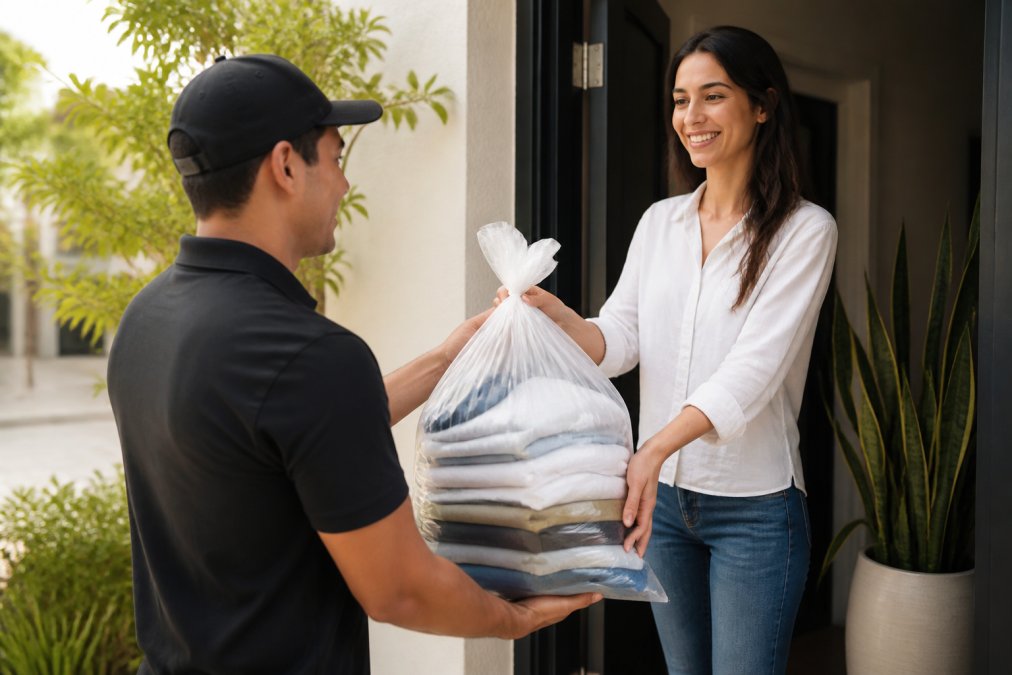
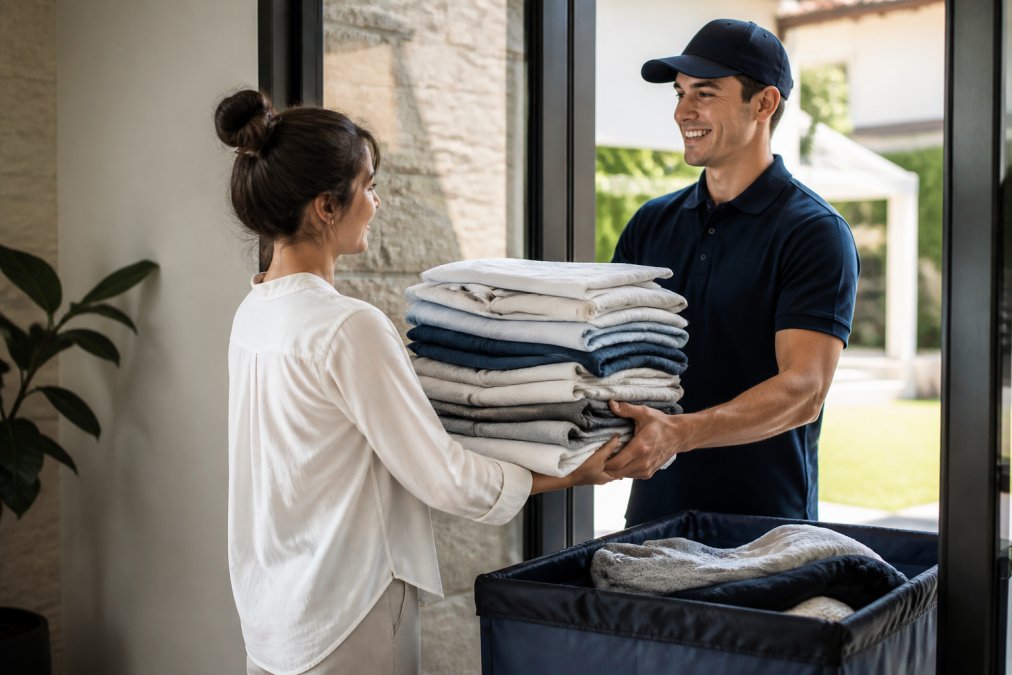
The challenge with an expensive wardrobe is not buying well. It is maintaining what you bought against heat, humidity, and the small daily decisions that quietly shorten a garment's life. LaundrPro takes that work off your hands with door-to-door pickup and delivery, flat-rate pricing with no subscriptions or hidden fees, and premium care for everything from daily wear to delicate pieces, all on a fast turnaround.
Frequently Asked Questions
How often should I have expensive clothes professionally cleaned?
Most garments need professional cleaning every 2-4 wears, but it depends on fabric and how close they sit to your skin. Silk blouses should be cleaned after each wear, while wool suits can go 3-5 wears with proper airing between. In Miami's humidity, garments absorb moisture and odors faster, so you may need more frequent cleaning. Check care labels and let stains or perspiration marks guide you. Professional garment care for expensive clothes includes inspection that catches small issues before they become permanent.
Can professional cleaning remove stubborn stains from delicate fabrics?
Yes, but timing matters. Fresh stains respond best. Professional cleaners use specialized solvents and spotting agents matched to the fiber. For example, oil-based stains on silk need a different approach than wine on cashmere. DIY stain removal often sets stains or damages fibers. If you must act before a cleaning, blot (never rub) with a clean white cloth and cool water. Avoid heat, which sets protein stains. A professional can often remove stains that home methods cannot.
What should I look for in a professional garment care service?
Look for transparent pricing, clear turnaround times, and experience with high-end fabrics. Ask about their cleaning process: do they use environmentally responsible solvents? Do they inspect garments before and after? A good service will also offer pickup and delivery that fits your schedule. In Miami, choose a provider familiar with humidity-related issues like mildew and pest prevention. LaundrPro offers flat-rate pricing with no hidden fees and door-to-door service, so you know exactly what to expect.
Is dry cleaning safe for all expensive clothes?
Not always. Some fabrics, like acetate or certain beaded garments, react poorly to dry cleaning solvents. Others, like cotton and linen, often clean better with wet cleaning. Always check the care label, but also consult a professional. They can advise whether dry cleaning, wet cleaning, or hand washing is best for your specific item. For designer pieces, a specialist who understands both methods will protect your investment better than a one-size-fits-all approach.
How can I protect my expensive clothes from Miami's humidity?
Store garments in a cool, dry closet with good air circulation. Use breathable cotton garment bags, not plastic, which traps moisture. Add moisture absorbers like silica gel packets in closets, and consider a dehumidifier for small spaces. Cedar blocks or lavender sachets deter moths naturally. Rotate your wardrobe so items aren't packed too tightly. For seasonal pieces, clean them before storing to remove invisible oils that attract pests. These steps help maintain fabric integrity in Miami's climate.