comparison
Premium Product Care vs Spotless Results: Laundry Time Saving
Table of Contents
- Premium Product Care vs Spotless Results: Quick Comparison
- How to Remove Stains from Clothes Without Damaging Fabrics
- Laundry Time Saving Tips for Busy Families
- Professional Dry Cleaning Benefits for Garment Longevity
- Fabric-Specific Care Matrix: Matching Methods to Materials
- Energy Cost vs. Time Savings: What Your Utility Bill Reveals
- Miami Environmental Factors That Change Your Laundry Strategy
- Verdict: Which Approach Delivers Better Laundry Time Saving?
- Frequently Asked Questions
Last Updated: September 12, 2026
Premium Product Care vs Spotless Results: Quick Comparison
The tension between premium product care and spotless results for laundry time saving comes down to one question: are you optimizing for speed or for the lifespan of your clothes? At LaundrPro, we see this trade-off play out daily with Miami customers. Premium detergents and fabric-specific treatments protect fibers but demand careful sorting and cycle selection. High-heat, high-speed washes deliver immediate spotless results but accelerate wear. The right answer depends on your garment mix and schedule.
| Approach | Time Investment | Fabric Longevity | Best For |
|---|---|---|---|
| Premium detergent + cold water | Moderate | High | Everyday wear, delicates |
| Quick wash program + HE detergent | Low | Moderate | Busy families, lightly soiled items |
| Professional service (LaundrPro) | Minimal | Highest | Formal wear, bulky items, time-starved households |
| High-heat standard cycle | Low | Low | Workout gear, towels, rags |
A common mistake is treating all laundry the same. Fabric care and spotless results are not opposites, they become opposites only when you use the wrong method for the wrong material.
How to Remove Stains from Clothes Without Damaging Fabrics
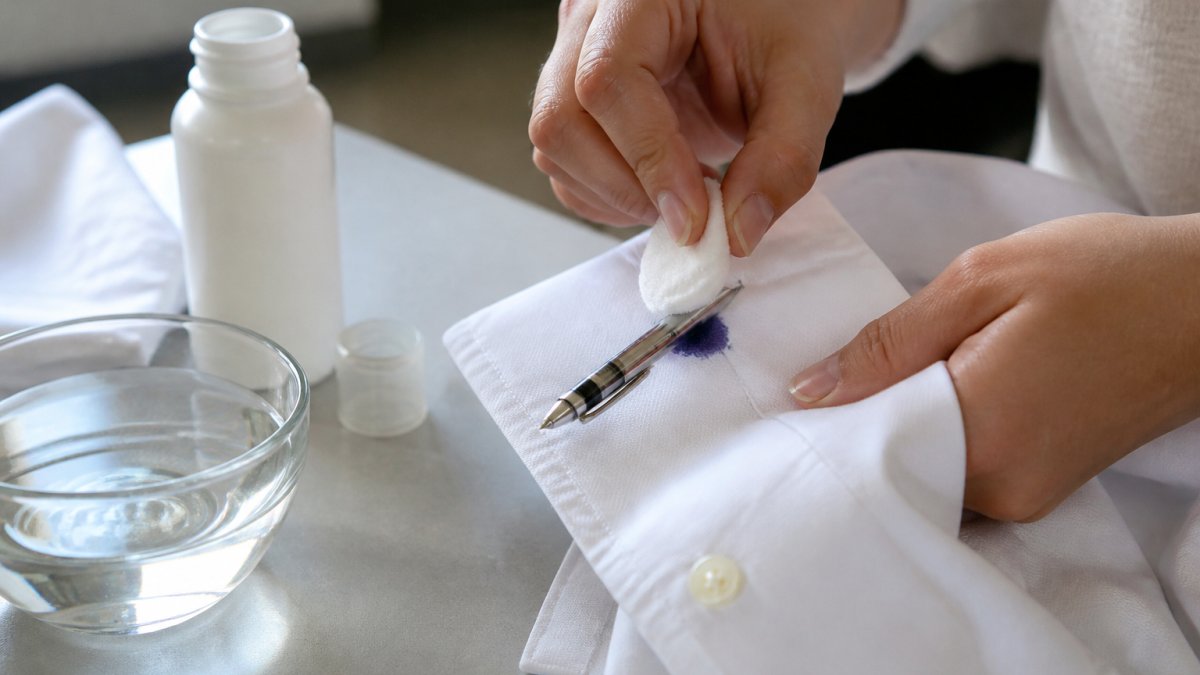
Stain removal starts with identification, not scrubbing. Protein stains like blood and dairy need cold water because heat sets them permanently. Tannin stains from coffee and wine respond to oxygen-based cleaners. Oil-based stains need a surfactant-heavy pre-treatment.
Cold Water Cleaning for Everyday Stains
Cold water cleaning handles most daily stains effectively. Modern HE detergents are formulated to activate in temperatures as low as 60°F, which means you can skip the hot cycle without sacrificing spotless results (energy.gov). The U.S. Department of Energy appliance standards notes that water heating accounts for a significant share of a washing machine's energy consumption, so cold water also reduces your utility bill.
For protein and dye-based stains, cold water is the correct choice.
When to Pre-Treat and When to Outsource
Pre-treat when the stain is fresh and the fabric is washable: blot, apply a small amount of detergent directly, wait ten minutes, then wash on the recommended cycle. Outsource structured, lined, silk, wool, or embellished garments, home treatment often causes shrinkage, color bleed, or fiber distortion that cannot be reversed.
Laundry Time Saving Tips for Busy Families
Laundry time saving for busy families comes from batching, not rushing. Sort once, wash in full loads, and fold immediately after the dryer stops to prevent wrinkles. Three small loads daily take more total time than two full loads twice a week.
Here is a workflow that cuts active laundry time without compromising fabric care:
- Sort into three bins: cold everyday, warm towels and bedding, and hand-wash or dry-clean only
- Pre-treat stains as they happen, not on laundry day
- Run full loads on quick wash for lightly soiled items
- Air-dry delicates and structured garments to extend garment longevity
- Fold or hang immediately to avoid a second ironing pass
Quick Wash Programs and Detergent Dosage
Quick wash programs finish in 15 to 30 minutes and work well for lightly soiled clothes. The catch is detergent dosage: too much detergent in a short cycle leaves residue because there is not enough rinse time to flush it out. Use half the standard dose for quick cycles, and choose a concentrated formula.
For heavily soiled items, a quick wash will not deliver spotless results. Run a standard cycle instead.
Professional Dry Cleaning Benefits for Garment Longevity
Professional dry cleaning benefits extend beyond convenience. Structured garments like suits, blazers, and coats hold their shape because professionals use solvent-based cleaning, controlled pressing, and fiber-specific finishing. Home washing breaks down a blazer's internal canvas within a few cycles.
LaundrPro handles this category through door-to-door pickup and delivery, with a 24-48 hour turnaround for customers who need formal wear back before the workweek starts. Flat-rate pricing with no subscriptions and no hidden fees means the cost is predictable. For Miami professionals, outsourcing structured garments is often the difference between a blazer lasting three years and lasting ten.
The one drawback is ongoing cost compared to home washing. For most people with a mixed wardrobe, professional care on the ten percent of garments that actually need it is cheaper than replacing them.
Fabric-Specific Care Matrix: Matching Methods to Materials
Matching the method to the material prevents the most common laundry damage, but most published matrices stop at water temperature. The distinction that matters is between natural luxury fibers, which need premium care methods, and synthetic blends, which tolerate aggressive washing but hold oil-based stains and static stubbornly. Miami's hard water adds a second variable: minerals in South Florida's municipal supply leave detergent residue on fibers and dull dark colors over time, which is why premium care and spotless results diverge most sharply on luxury fabrics.
Use this matrix to decide before you load the machine:
| Fabric | Water Temp | Cycle | Dryer | Premium Care Method | Notes |
|---|---|---|---|---|---|
| Cotton | Warm | Normal | Medium heat | Standard HE detergent | Tolerates most detergents; hard water may require a water softener booster |
| Wool | Cold | Delicate | Air dry flat | Wool-safe pH-neutral detergent | Never wring; reshape and dry flat to prevent distortion |
| Silk | Cold | Hand wash | Air dry | Professional care preferred | Hard water minerals can spot silk; distilled water rinse helps |
| Linen | Cool | Gentle | Air dry | Oxygen-based brightener | Wrinkles easily; press while damp |
| Denim | Cold | Normal | Air dry | Color-safe detergent, inside out | Wash inside out to protect indigo; avoid dryer heat |
| Synthetics (polyester, nylon, spandex) | Cool | Normal | Low heat | Standard detergent + fabric softener | Attracts static and oil stains; softener reduces cling |
| Luxury blends (cashmere, silk-wool) | Cold | Hand wash or professional | Air dry flat | Professional care strongly preferred | Home washing risks shrinkage and pilling that cannot be reversed |
The Luxury vs. Synthetic Divide
The matrix above hides a real split. Luxury natural fibers, cashmere, silk, fine wool, linen, respond to premium care because their structure is fragile: heat and agitation break down the protein or cellulose chains that give the fabric its drape. Synthetic blends behave the opposite way. Polyester, nylon, and spandex tolerate warm water and normal agitation without structural damage, but they attract oil-based stains and static, and hold detergent residue more stubbornly than natural fibers.
That means "premium care" is not a universal upgrade. For a synthetic athletic top, a quick wash with a standard HE detergent is genuinely the right call. For a cashmere sweater, the same quick wash is a slow-motion disaster.
Miami's Hard Water Variable
South Florida's municipal water supply is notably hard, carrying dissolved calcium and magnesium that interfere with detergent performance. The effects are visible: white residue on dark garments, dulled colors, and a stiff hand-feel on towels. For everyday cotton and synthetics, a water softener booster or chelating detergent additive solves most of it. For silk, wool, and luxury blends, hard water is a stronger argument for professional care, a commercial laundry can control water chemistry in a way a home washer cannot.
A fabric-specific care matrix removes guesswork. When in doubt, cold water and air drying are the safest defaults for anything you are unsure about, and for anything with a care label that reads dry clean only, the matrix ends there.
Energy Cost vs. Time Savings: What Your Utility Bill Reveals
Energy cost and time savings pull in opposite directions more often than people realize. Hot water cycles clean faster but cost more to run and stress fibers. Cold water cycles take longer on tough stains but preserve garment longevity and reduce energy consumption. The gap shows up clearly on a South Florida utility bill.
Where the Money Actually Goes
A residential washing machine's energy use splits into two buckets: the motor that agitates and spins, and the water heater that feeds the hot and warm cycles. According to the U.S. Department of Energy appliance standards, water heating is the single largest energy expense in a typical laundry cycle, often accounting for roughly 90 percent of the machine's total energy draw when a hot wash is selected. That means the cycle you choose matters far more than the machine you own.
Here is how the trade-off breaks down in practical terms for a Miami-Dade household running roughly five loads per week:
- Hot water wash + hot rinse: Highest energy draw, fastest stain removal, fastest fiber wear. Best reserved for towels, rags, and heavily soiled workwear.
- Warm water wash + cold rinse: Middle ground. Cuts the water-heating load roughly in half versus a full hot cycle while still loosening oils and body soil.
- Cold water wash + cold rinse: Lowest energy draw of any standard cycle. Modern HE detergents are formulated to activate at temperatures as low as 60°F, so cold water handles most everyday soil without a penalty.
- Quick wash (15-30 minutes): Uses less water and less motor runtime than a standard cycle, but the short rinse phase is the catch, it cannot flush heavy detergent residue or deep soil, so it only pays off on lightly soiled loads.
The Time-Savings Math
A standard cycle runs 50 to 80 minutes; a quick wash runs 15 to 30. On paper, quick wash saves 30 to 50 minutes per load. In practice, that savings only holds if the load is lightly soiled, otherwise you re-wash, and the "saved" time doubles.
The honest trade-off looks like this:
- Hot water: faster stain removal, higher energy consumption, faster fabric wear
- Cold water: slower on tough stains, lower energy consumption, better fiber protection
- Quick wash: shortest cycle, best for lightly soiled items, uses less water
- Standard cycle: longer runtime, deeper cleaning, higher water and energy use
Running the numbers on your own utility bill usually reveals that cold water washing saves more over a year than the time lost to longer cycles. The exception is heavily soiled items like towels and bedding, where a warm cycle is worth the cost.
Why Miami Households Feel This Differently
Miami-Dade residents face a specific wrinkle: high humidity means clothes often need a longer dryer run than in a drier climate, shifting more household energy spend from the washer to the dryer. That makes the spin cycle more valuable than it looks, a higher spin speed extracts more water before the dryer starts, cutting dryer runtime and electricity. For households in ZIP codes like 33125, 33135, and 33127, the practical move is cold water wash, highest safe spin, and a shorter dryer cycle.
Miami Environmental Factors That Change Your Laundry Strategy

Miami's humidity changes how laundry behaves. High moisture slows drying times, encourages mildew if damp clothes sit too long, and makes fabric feel clammy even after a full cycle. Residents in ZIP codes like 33125, 33135, and 33127 deal with this year-round.
The practical adjustments are straightforward. Run the spin cycle at its highest safe setting to extract more water before drying. Move clothes from washer to dryer immediately to prevent mildew. Air-dry indoors with a fan or dehumidifier rather than outside, since outdoor humidity can undo the drying progress. For bulky items like comforters and bed sheets, professional care prevents the shrinking and mildew home washing often causes.
If you are searching for a laundry service near me in Miami that understands these local conditions, the difference between a service built for humid climates and one that is not shows up in how your clothes feel after the third wash.
Verdict: Which Approach Delivers Better Laundry Time Saving?
Neither premium product care nor spotless results wins outright. The better approach depends on what you are washing and how much time you have.
For everyday laundry, cold water cleaning with a quality HE detergent and a quick wash program delivers the best balance of laundry time saving and fabric protection. For structured garments, delicates, and bulky items, professional care through LaundrPro protects your investment and frees up hours you would otherwise spend sorting, pre-treating, and re-washing.
The customers who get the most value from LaundrPro are the ones who outsource the ten to twenty percent of laundry that actually requires expertise: blazers, dresses, comforters, and anything with a care label that reads dry clean only. Everything else runs fine at home with the right technique.
Frequently Asked Questions
Does premium laundry care actually extend the lifespan of my clothes?
Yes. Premium care uses gentler cycles, correct detergent dosage, and fabric-specific treatments that reduce fiber damage. Professional services like LaundrPro add expert stain treatment. Over time, these methods keep colors brighter and seams stronger, so garments last longer and you replace them less often.
How can I achieve professional-level spotless results at home?
Start with a high-efficiency washer for deep cleaning and gentle fabric handling. Use a premium detergent, measure the correct dosage, and choose the right cycle for each fabric. Pre-treat stains promptly, avoid overloading, and consider a no-rinse formula for delicates. For stubborn items, a professional service can provide spotless results without the trial and error.
What is the most time-efficient way to handle laundry for a busy family?
Batch similar fabrics and use quick wash programs for lightly soiled items. A smart washer with remote monitoring lets you start loads while away. For high-volume weeks, a door-to-door service like LaundrPro handles pickup, cleaning, and delivery in 24-48 hours, saving hours of sorting, washing, and folding. Combine DIY for everyday items with professional care for bulky or delicate pieces to maximize laundry time saving.
Is professional laundry service in Miami worth the cost for daily wear?
It depends on your priorities. If your time is limited and you value spotless results without the hassle, a service like LaundrPro offers flat-rate pricing and fast turnaround. For everyday items, the cost per load may be higher than DIY, but you reclaim hours each week. Families with high laundry volume often find the trade-off worthwhile, especially when factoring in energy costs and fabric longevity.
How do I balance delicate fabric care with the need for fast turnaround?
Use a no-rinse detergent for hand-washables to skip rinsing, and choose a quick wash cycle for lightly soiled delicates. For items needing expert attention, a professional service can handle stain removal and pressing without risking damage. LaundrPro's 24-48 hour turnaround means you get premium product care and spotless results without waiting days. Sort by fabric type and prioritize what needs immediate attention.
Miami's humidity and your schedule are working against your wardrobe. LaundrPro picks up, professionally cleans, and delivers back to your door within 24-48 hours, with flat-rate pricing, no subscriptions, and no hidden fees. You get spotless results and premium product care without giving up your evenings. Place your order with LaundrPro and get your time back.