 comparison
Is a Home Dry Cleaning Kit Worth It? Tested for 2026
Table of Contents
- The Short Verdict: When a Dry Cleaning Kit Makes Sense
- How At-Home Dry Cleaning Kits Actually Work
- Stain Removal Reality Check: Kits vs. Professional Cleaning
- Cost of Dry Cleaning in Miami: Kits vs. Professional Services
- Fabric Safety and Long-Term Garment Degradation
- The Benefits of Door-to-Door Laundry Service for Delicates
- What to Avoid Cleaning at Home: Garments That Need a Pro
- Professional Dry Cleaning Services Miami Residents Use for Results
- Frequently Asked Questions
Last Updated: September 7, 2026
Whether a home dry cleaning kit is worth it comes down to how you define "cleaning." A dryer-activated home dry cleaning kit refreshes garments by removing odors and light wrinkles, not a true cleaning process that lifts ground-in dirt and oils. For busy professionals in Miami, where humidity and heat accelerate sweat buildup, the distinction matters. The most common mistake is treating a $10 kit as a replacement for professional care.
The Short Verdict: When a Dry Cleaning Kit Makes Sense
A home dry cleaning kit makes sense for lightly worn garments that need freshening between professional cleanings, not for soiled or stained items. A blazer worn once to an air-conditioned office, a silk blouse that spent two hours in a meeting, or a wool sweater that smells faintly of dinner are ideal candidates.
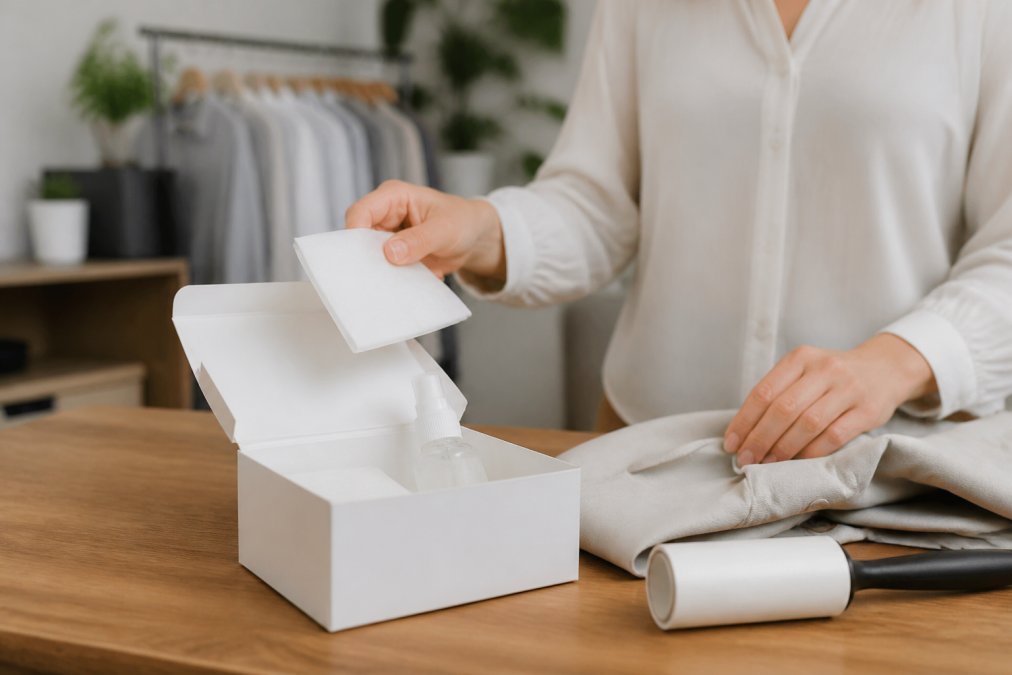
The kit works by tumbling your clothes in a dryer bag with a moist cleaning sheet. The heat releases steam that relaxes fibers and lifts surface odors, extending the life of delicate fabrics by reducing how often they undergo full professional cleaning.
How At-Home Dry Cleaning Kits Actually Work
You place up to three garments inside a reusable fabric bag, add a pre-moistened cleaning sheet, and run the bag through a standard tumble dry cycle for roughly 30 minutes. The sheet releases a solvent-free cleaning agent that turns to steam, relaxing fibers and neutralizing odors.
What the kit does not do is agitate, flush, or extract. Professional dry cleaning machines use chemical solvents to dissolve oils and a mechanical process to remove them from the fiber. A dryer sheet cannot replicate that extraction process. The American Cleaning Institute's guide to garment care notes that heat and moisture refresh fabrics, but genuine soil removal requires mechanical action.
This is why kits market themselves for "freshening" and "odor removal" rather than stain treatment. For garments that are merely stale, the steam cycle works well. For anything with visible soil, sweat rings, or body oils at the collar and cuffs, you are redistributing the problem, not solving it.
Stain Removal Reality Check: Kits vs. Professional Cleaning
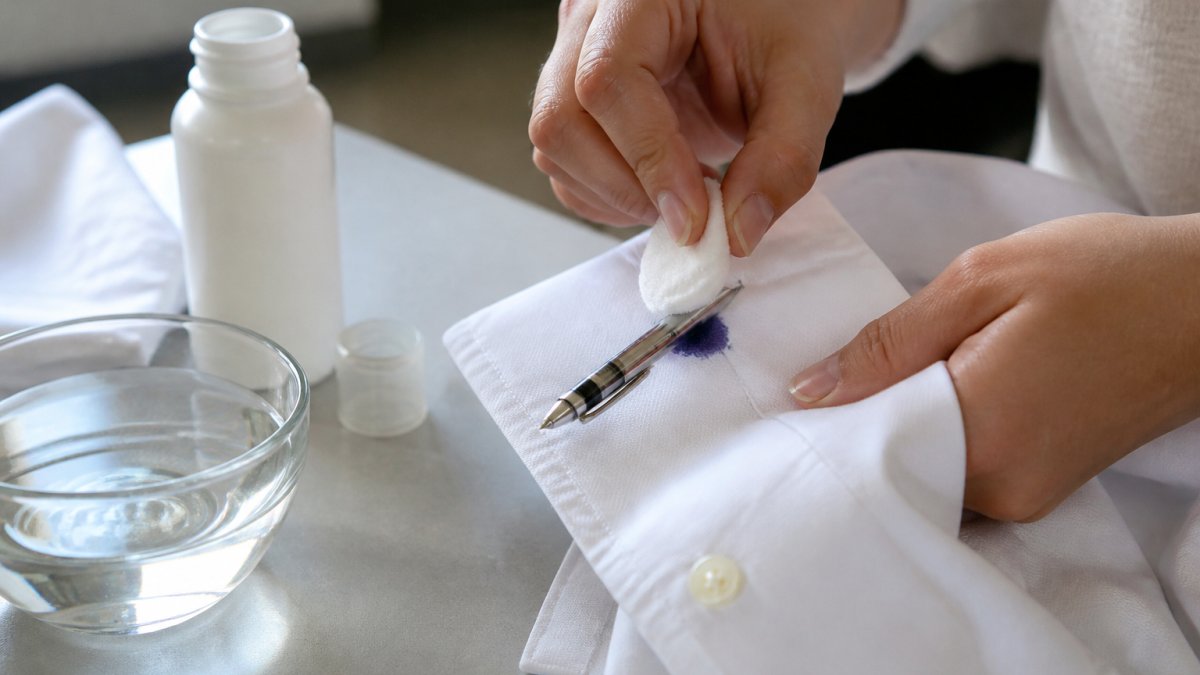
Here is where the home dry cleaning kit hits its hard limit. Dryel, the leading at-home kit, is transparent: its system does not effectively remove heavy or set-in stains. The steam cycle lacks the chemical agents and mechanical action needed to break the bond between a stain and the fiber.
Professional cleaning uses solvents and spotting agents selected for the specific stain type, applied before the garment enters the machine. Water-based stains like coffee respond to different chemistry than oil-based stains like salad dressing or grease. A professional identifies the stain, treats it, then cleans the full garment so it dries evenly without rings.
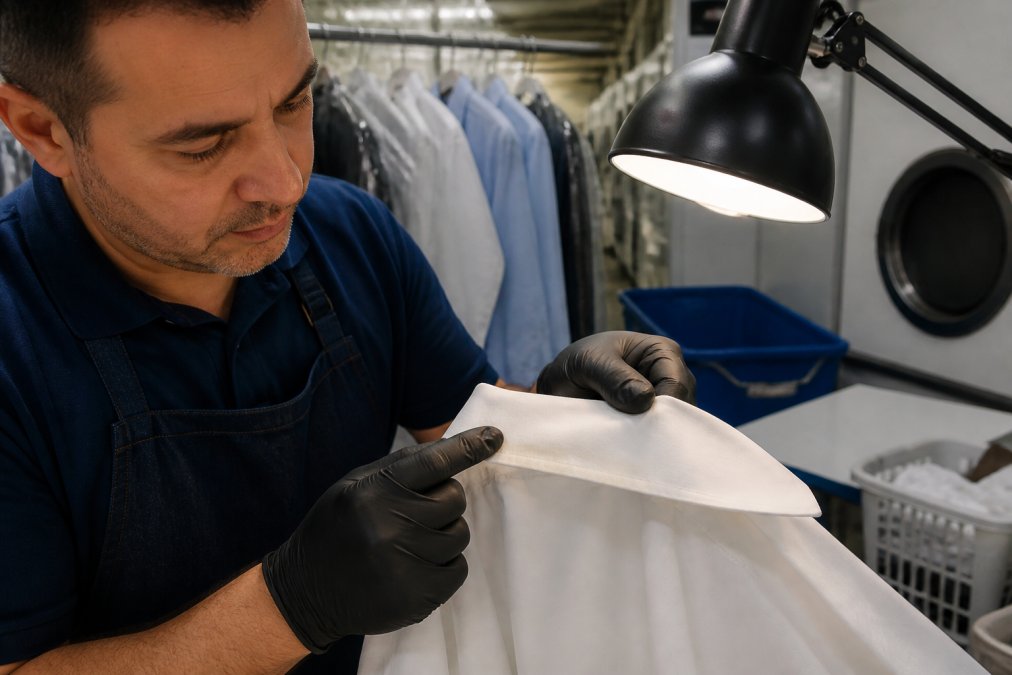
For a work blazer with deodorant buildup or a silk dress with a wine spill, a home kit will set the stain permanently. The heat from the dryer cycle can bond protein-based stains into the fiber, making them impossible to remove later.
Cost of Dry Cleaning in Miami: Kits vs. Professional Services
A simple price comparison makes home kits look like a steal. A starter kit retails around $9.99 and processes roughly five loads, putting the per-use cost near two dollars. But that math ignores the real variable in Miami: the cost of a ruined garment in a climate that punishes fabric.
The Real Metric: Cost-Per-Wear, Not Cost-Per-Load
The only number that matters is cost-per-wear over the life of the garment. A professional cleaner typically charges per shirt. A home kit costs about $2.00 per load, which can process up to three shirts.
A professional cleaner does not just clean the shirt; they press it with industrial equipment that restores the crisp collar and placket that a tumble dryer cannot. That pressing extends the garment's useful life by maintaining the integrity of the interfacing in the collar and cuffs. A professionally pressed shirt can easily survive 50 to 75 wears before showing signs of wear at the fold points.
A shirt cleaned exclusively in a home kit will come out wrinkled. Ironing introduces direct heat that can cause shine and accelerate breakdown of cotton fibers. Over 20 cycles, that repeated heat stress leads to fraying at the collar and cuffs far sooner than professional pressing. The shirt might last only 30 wears before looking tired.
The Miami Humidity Factor
Miami's average relative humidity hovers near 75 percent for much of the year. That ambient moisture makes garments feel damp and stale faster, driving up cleaning frequency. It also means a garment pulled from a home dryer and hung to air-dry will absorb moisture from the air, undoing some of the kit's deodorizing work and leaving a musty smell.
A professional dry cleaner in Miami operates in a controlled environment. Garments are dried in heated, ventilated tumblers and pressed immediately, locking in the dry state.
The Hidden Cost of a Stain Set in Heat
A home kit's dryer cycle generates heat. If that garment carries a stain you did not fully see, or a stain you thought was gone, the heat can set it permanently. A home kit load can turn a silk blouse into a rag. Professional cleaning would have removed that stain with spotting agents before the garment ever entered a machine.
For Miami residents, the calculation is even starker. The cost of a ruined designer piece in a climate that stresses fabrics is higher than in drier regions, and the replacement cost of a tailored suit or silk dress far exceeds the cumulative savings of dozens of home kit loads.
A Localized Cost Comparison
To make this concrete, consider a typical Miami professional's monthly wardrobe maintenance:
| Item | Professional Cleaning (Miami avg.) | Home Kit (per load) | Risk Profile |
|---|---|---|---|
| 2 dress shirts per week | $24-$32/month | $4/month (2 loads) | Shirts lose pressing quality; collar fray accelerates |
| 1 suit (monthly) | $15-$25/clean | $2/load | Interfacing can bubble; shape loss is irreversible |
| 1 silk blouse (bi-weekly) | $10-$15/clean | $2/load | Heat can set unseen stains; fabric weakens |
The Federal Trade Commission's guidance on clothing care labels reminds consumers that care labels exist to protect the garment's longevity. A care label that says 'dry clean' is not a suggestion; it is a warning that the garment's construction cannot survive a home dryer cycle.
For Miami residents, the choice is not between $2 and $4. It is between a garment that lasts 50 wears and one that lasts 20. That is the difference between paying $6 per wear and $15 per wear for the same shirt. The home kit is only cheaper if you ignore the cost of replacement.
Fabric Safety and Long-Term Garment Degradation
The most common claim from home kit manufacturers is that their system is 'safe for all dry-clean-only fabrics.' That claim is true for a single cycle. The problem is what happens after 10, 20, or 30 cycles.
What the Dryer Cycle Actually Does to Fibers
A home dry cleaning kit runs your garments through a standard tumble dryer for 30 minutes. That means heat, mechanical tumbling, and moisture. Each affects different fibers in different ways, and none replicate the controlled environment of a professional solvent bath.
Silk is a protein fiber. It weakens when exposed to heat above 140°F, well within the range of a standard dryer cycle. Repeated exposure causes the fiber to become brittle, leading to fraying along seams and a loss of luster. A professional cleaner uses a solvent bath at ambient temperature, which does not degrade the protein structure.
Wool is also a protein fiber, but its failure mode is different. Wool scales interlock when subjected to heat and agitation, causing felting and shrinkage. A home kit's tumbling action, even inside a protective bag, provides that agitation. The bag does not eliminate the mechanical stress; it only contains it.
Rayon (viscose) is a regenerated cellulose fiber that loses up to 50 percent of its strength when wet. The moist cleaning sheet introduces water into the fiber, and the tumbling action stresses the weakened fiber. Over repeated cycles, rayon garments lose their drape and develop a rough, fuzzy surface.
Cotton is more resilient, but not immune. The heat of a dryer causes cotton fibers to shrink slightly with each cycle, leading to a gradual loss of fit and a rougher hand feel.
The Structural Damage No One Talks About
Fiber degradation is only half the story. A tumble dryer applies mechanical stress to every seam, button, and trim on a garment.
Structured tailoring, suit jackets, blazers, and wool overcoats, contains canvas or fusible interfacing that gives the garment its shape. A dryer cycle applies heat and moisture that can break the bond between interfacing and outer fabric, causing irreversible bubbling or rippling on the lapels and front panels.
Beaded and sequined garments are another hard no. The tumbling action loosens the threads that hold embellishments in place. A single cycle can snap delicate sequins or pull beads off entirely. A professional cleaner will inspect the garment, reinforce loose threads, and use a gentle solvent cycle that does not involve tumbling.
Leather and suede require specialized cleaning methods that neither home kits nor standard professional solvent systems handle. These materials need conditioning and pH-balanced cleaning agents. A dryer cycle will dry out the leather, causing cracking.
The Definitive 'Do Not Clean at Home' List
Based on the mechanism of how these kits work, here is a practical list of garments that should never go near a home dry cleaning kit:
- Suit jackets and blazers with structured shoulders, interfacing will bubble.
- Silk blouses with any visible stain, heat will set the stain permanently.
- Beaded, sequined, or embellished dresses, tumbling will loosen or break embellishments.
- Leather or suede jackets, heat will dry out and crack the hide.
- Rayon dresses or skirts, wet strength loss leads to distortion and fraying.
- Any garment with a care label that says 'do not tumble dry', the label is explicit for a reason.
Why Professional Cleaning Is Different
Professional dry cleaning uses solvent baths that clean without the mechanical abrasion of a dryer. The garment is then pressed on specialized equipment that restores its original shape. A home kit leaves you with a damp, wrinkled garment that still requires ironing or steaming, introducing another round of heat stress.
The American Cleaning Institute's fabric care resources advise consumers to follow the care label and, when in doubt, consult a professional. The cost of professional cleaning is always lower than the cost of replacing a ruined garment.
For garments you plan to wear more than a handful of times, the long-term degradation from repeated home kit use is a real, measurable cost. It is the difference between a blazer that lasts five years and one that looks tired after two.
The Benefits of Door-to-Door Laundry Service for Delicates
This is where a door-to-door laundry service changes the calculation entirely. The primary benefit of a service like LaundrPro is not just cleaning, it is the elimination of the labor and risk that comes with DIY garment care. You do not need to sort delicates, monitor dryer cycles, or risk shrinking a favorite sweater because you misjudged the heat setting.
A door-to-door service transfers the expertise burden to professionals who handle delicate fabrics daily. They know that a silk blouse needs a gentler solvent cycle than a cotton shirt, and that structured garments require specialized pressing to maintain their silhouette. The benefits extend beyond convenience to include consistent, professional-grade results that protect your wardrobe investment.
For Miami professionals working long hours, the time savings compound. A home kit requires 30 minutes of active dryer time, plus ironing afterward. A pickup and delivery service requires none of your time. The garment leaves your closet and returns pressed, finished, and ready to wear.
What to Avoid Cleaning at Home: Garments That Need a Pro
Certain garments should never go near a home dry cleaning kit, regardless of what the label claims. Structured tailoring with canvas or fusible interfacing, such as suit jackets and wool overcoats, will lose their shape in a tumble dryer. The interfacing can separate from the outer fabric, causing irreversible bubbling.
Beaded or sequined garments are another hard no. The tumbling action will loosen threads and can snap delicate embellishments. Leather and suede items require specialized cleaning methods that neither home kits nor standard professional solvent systems handle. Garments with stubborn stains you have already attempted to treat at home need professional intervention before the stain sets permanently.
The American Cleaning Institute's fabric care resources advise consumers to follow the care label and, when in doubt, consult a professional. The cost of professional cleaning is always lower than the cost of replacing a ruined garment.
Professional Dry Cleaning Services Miami Residents Use for Results
For Miami residents who have tested home kits and found them lacking, the alternative is a professional service that handles the entire process. LaundrPro provides door-to-door pickup and delivery across Miami, with flat-rate pricing and no hidden fees. There are no subscriptions to manage and no surprise charges at the end of the month.
The service is built around the realities of Miami living: humidity that keeps fabrics damp, a fast-paced work culture that demands polished presentation, and households that generate high volumes of both daily wear and delicates. Whether it is a single suit for a Thursday morning presentation or a family's weekly load of comforters and dress shirts, a professional service delivers results that a dryer sheet cannot approach.
The real question is not whether a home dry cleaning kit works, it is whether you can afford the risk on your specific garments. For freshening a lightly worn blazer between professional cleanings, a kit earns its place in your utility closet. For anything with visible soil, structural tailoring, or sentimental value, professional dry cleaning in Miami remains the only safe choice.
Choosing between a home kit and professional care comes down to what you value: saving a few dollars per load or protecting garments that cost hundreds to replace. A home dry cleaning kit cannot remove stains, cannot press a suit, and cannot guarantee the fiber integrity of your delicates. LaundrPro delivers spotless results with fast turnaround and premium product care, using flat-rate pricing with no subscriptions or hidden fees. Place your order and let a professional dry cleaning service handle what a dryer sheet cannot.
Frequently Asked Questions
Is a home dry cleaning kit as good as professional dry cleaning?
No. Home dry cleaning kits are designed for refreshing garments and removing light odors, not for deep cleaning or stain removal. Professional dry cleaning uses chemical solvents and specialized equipment to dissolve oils and set-in stains that a dryer-activated sheet cannot break down. For lightly worn blouses or sweaters, a kit works fine. For tailored suits or garments with visible soil, professional cleaning delivers visibly better results and helps preserve the fabric's finish.
Can home dry cleaning kits remove tough stains from delicate fabrics?
Home dry cleaning kits struggle with tough, set-in, or oil-based stains. The heat-activated cleaning sheet releases steam that lifts surface dirt, but it lacks the chemical action needed to dissolve body oils, wine spills, or grease marks. Attempting to heat-set a stain in the dryer can make it permanent. For delicate fabrics like silk or wool with visible stains, take the garment to a professional dry cleaning service that can apply targeted spot treatment before cleaning.
What are the limitations of using a home dry cleaning kit?
The main limitations are stain removal power, wrinkle release, and garment finish. Kits leave clothes looking refreshed but often require ironing afterward, whereas professional pressing restores crisp creases. Kits also cannot handle heavily soiled garments, and they offer no spot treatment for stains. Additionally, the reusable bag can transfer odors between loads if not cleaned. For busy professionals who need polished, ready-to-wear results, these limitations make kits a supplement rather than a replacement for professional care.
How does the cost of home kits compare to professional dry cleaning in Miami?
A home dry cleaning kit can be cheaper than professional per-garment pricing. However, cost per wear matters more than cost per load. A kit that leaves stains set or fails to restore a blazer can result in a total loss. Professional dry cleaning in Miami can cost more upfront but protects your investment through proper solvent cleaning, spot treatment, and professional pressing. For daily wear items you want to refresh between professional cleanings, kits offer real savings.
Are at-home dry cleaning kits safe for all garment types?
Most kits are safe for fabrics labeled dry clean only, including wool, silk, rayon, and cotton, but you should always check the manufacturer's instructions. Avoid using kits on leather, suede, fur, or garments with beading, sequins, or structured padding, as heat and moisture can damage these materials. The dryer heat can also shrink some natural fibers. When in doubt, test the kit on an inside seam first. For high-value or structurally complex garments, professional cleaning is the safer choice.